






















Jcpl outage and billing headaches: what Monmouth County residents — especially seniors — should prepare for

The coming storm and ongoing meter-change fallout matter for jcpl customers because two separate headaches are colliding: a mobilized utility facing weather and safety limits on restoration, and prolonged billing disruptions that have already left at least one long-time resident paying estimated charges for months. If you live in the affected service area — and especially if you help or care for older adults — these are the practical stresses you’ll see first.
jcpl’s readiness and the practical impact on residents
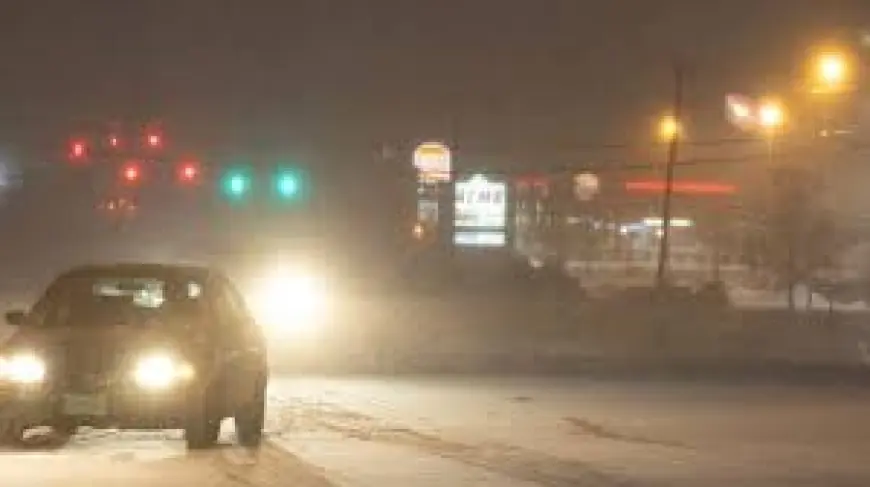
The county’s top official briefed residents that the utility has staged a large workforce and positioned crews across the service area to respond quickly. Safety restrictions tied to high winds may slow some repairs: bucket-truck operations are prohibited when winds go above a defined threshold, which can delay the physical restoration of service even when crews are ready to move.
Here’s the part that matters for households: response speed can vary not just by how many crews are nearby, but by whether conditions allow safe use of certain equipment. That creates a gap between an announced mobilization and the moment a neighbor’s power actually returns.
What’s easy to miss is that readiness statements often emphasize personnel and positioning while the operational limits — like weather-related equipment prohibitions — are the real determiners of how fast service can be restored.
What residents are being told to do, and the billing trouble a senior faced
Residents were given ways to report outages through the utility’s online outage portal and asked to avoid unnecessary travel during the storm’s heaviest periods. Beyond outage reporting, a separate thread of disruption comes from a community-wide meter change this spring that created billing problems for some customers.
A 95-year-old resident who lives in Monroe experienced the consequence of those meter swaps: a last normal bill in May, then no bills for several months. She made estimated payments while calling to resolve the issue, received an incomplete billing packet in September that omitted off-peak usage, and then again received no bills for three months afterward. That sequence left her managing repeated calls, intermittent bills and uncertainty about correct charges.
- Utility workforce: more than two thousand personnel were said to be mobilized and crews strategically positioned across the service area.
- Weather constraint: high winds and whiteout conditions can delay restorations because some equipment cannot be used above a specific wind speed.
- Outage reporting: residents were directed to the utility’s online outage page for filing reports; officials urged people to stay safe and limit travel during peak storm times.
- Billing interruption case: after meter replacements, one senior saw months without regular bills, made estimated payments, received blank or partial bills, and was told to wait for corrections.
Those points add up to a two-track risk for customers: immediate service interruptions that may take longer to fix under dangerous conditions, and separate administrative failures that can leave customers paying estimated charges or unclear about their usage.
Key takeaways that affect families, caregivers and community coordinators:
- Expect restoration timelines to be conditional — a large crew presence doesn't guarantee immediate repairs if safety rules halt key equipment use.
- Use the utility’s outage portal to alert crews; document outage reports and confirmation details for later reference.
- Seniors and those on fixed incomes are particularly vulnerable to billing disruptions after meter changes; monitor mail and billing notices closely and keep records of any estimated payments.
- Signals that administrative problems are resolving include the return of regular, itemized bills showing off-peak and on-peak usage and fewer blank or corrected statements.
The real question now is whether the utility’s operational positioning and the administrative fixes for meter-related billing will align quickly enough to prevent both prolonged outages and prolonged billing confusion for residents.
Micro timeline (as residents in the affected community):
- Meter replacements occurred in the spring.
- A resident’s last normal bill was in May; subsequent months showed missing or partial bills.
- After repeated calls and an interim instruction not to pay until usage was corrected, the resident still experienced several more months without standard billing.
For households watching this unfold: keep written records of outage reports and billing interactions, check online outage tools for status updates, and prioritize checking bills after any utility meter changes. Recent updates indicate the utility has a large response workforce positioned, but details about timelines and billing corrections may evolve.