










Auto Accident Attorneys: Who Feels the Immediate Impact After a Rear‑End Crash on I‑15 Near Glen Helen Parkway

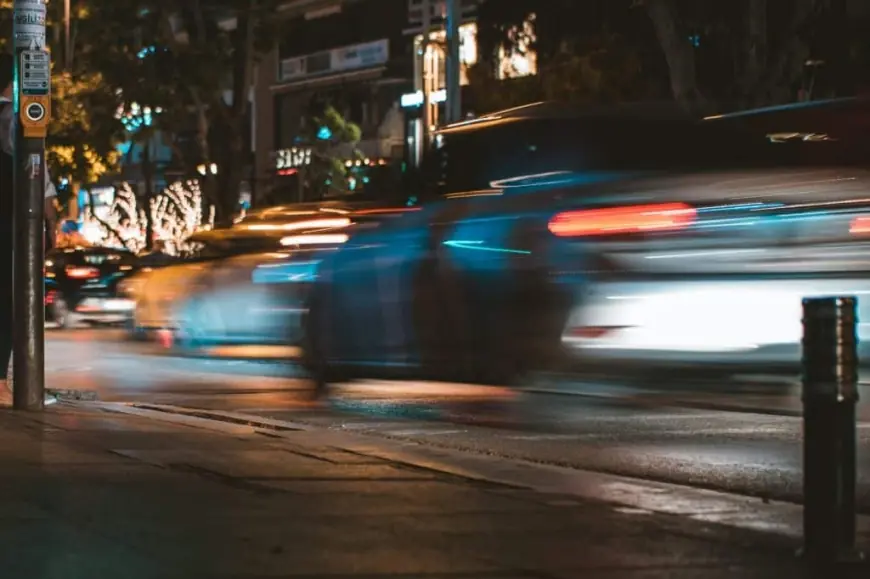
Motorists and traffic responders were the first to feel the fallout from a Friday-night rear-end collision on southbound Interstate 15 about a mile before the Glen Helen Parkway exit. For those facing medical care, vehicle damage or liability questions, auto accident attorneys are often consulted when responsibility is unclear and injuries require documentation. The crash blocked lanes, sent one person to a hospital with unknown injuries, and remains under active investigation.
Auto Accident Attorneys and the immediate fallout for drivers and officers
Here's the part that matters: when a patrol vehicle is struck, the practical repercussions extend beyond the two drivers directly involved. Delays and lane blockages can complicate evidence collection; witnesses and physical scene photos become more important. Some accounts identified the striking driver as elderly; that detail is under investigation and has not been confirmed publicly.
Those dealing with medical treatment, tow bills, or questions about liability may reach out to auto accident attorneys to understand how to preserve medical records, document vehicle damage, and track the investigation timeline. The presence of a law-enforcement vehicle adds procedural layers — scene security, supplemental reports, and potentially different administrative routes for claims — which can influence how cases are documented.
What unfolded on southbound I-15 near Glen Helen Parkway
- The collision occurred on a Friday night at about 6: 00 p. m. on southbound I-15 roughly one mile before the Glen Helen Parkway exit.
- A white Lexus RS series SUV rear-ended a patrol car; reasons for the impact have not been determined.
- Emergency responders transported one person to a hospital; the nature and severity of injuries have not been disclosed.
- Both vehicles blocked the two left lanes for over an hour while investigators processed the scene; the investigation is ongoing.
What’s easy to miss is that lane closures lasting an hour or more often mean multiple witnesses and additional scene documentation — helpful for reconstructing collisions but also time-sensitive. Preserving digital evidence (photos, dashcam or in-vehicle camera clips, and timestamps) becomes more urgent in such cases.
- Immediate practical effects: traffic delays, evidence collection challenges, and potential shifts in insurance handling.
- Groups most directly affected: drivers caught in the backup, the involved parties, emergency personnel at the scene, and commuters using that stretch of I-15.
- Next signals that will shape the aftermath: a finalized investigation report, clarification about the striking driver’s status, and any hospital updates on the transported person.
- Operational detail to note: law-enforcement involvement can change reporting pathways and timelines for claims or administrative inquiries.
The timeline in brief: about 6: 00 p. m. — collision; subsequent hour — left lanes blocked while the scene was processed; later — one person taken to hospital and investigators continuing their work. The real question now is how long the investigation will take and whether additional details about contributing factors will be released.
For anyone directly affected, documenting medical visits and vehicle repairs early is practical and preserves options. If you’re wondering why this keeps coming up, it’s because collisions that involve emergency vehicles often trigger separate internal reviews alongside the traffic investigation; those layers can influence liability findings and any administrative outcomes.
The public-facing facts remain limited: investigators have not released a definitive cause for the rear-end impact, and condition updates for the hospitalized person are not available. Recent updates indicate that the probe is ongoing and that details may evolve as officers complete their preliminary reporting.
The bigger signal here is how evidence timing and the involvement of a patrol car can accelerate certain procedural steps while also complicating others — a dynamic both motorists and responders should expect when incidents occur on high-volume freeways.