


















Verona’s Farewell and the Olympic Closing Ceremony That Shifts Focus to Accessibility and 2030

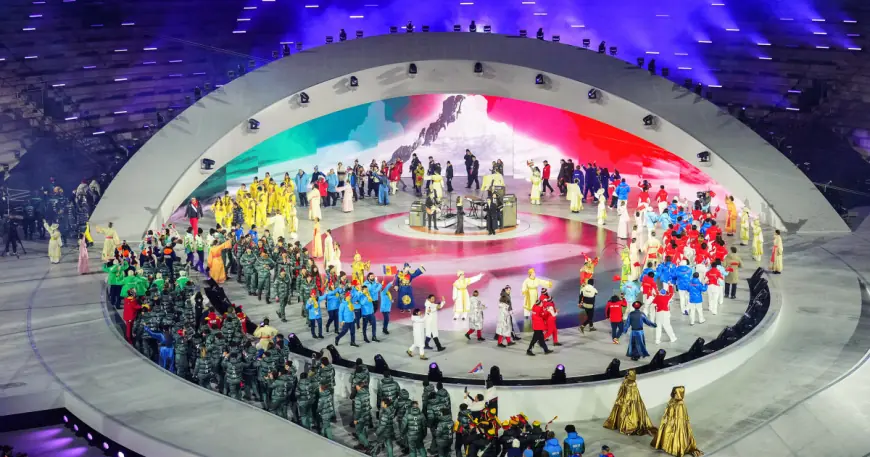
The Olympic Closing Ceremony closed the Milan Cortina Winter Games inside Verona’s ancient Roman arena, but the immediate impact lands hardest on three groups: local residents after a targeted accessibility overhaul, athletes whose medal runs rewrote records, and organizers already pivoting to Paris, Los Angeles and beyond. Team USA finished with 33 medals, while the site and schedule now point straight to the March 6 Paralympic opening and the handoff to the French Alps for 2030.
Who feels the change first: Verona, athletes and organizers
Organizers invested 20 million euros to enhance accessibility throughout Verona, an expense meant to leave a lasting, inclusive infrastructure for residents and visitors. That investment is the most immediate local impact of the closing — it changes how people will move through the city during the Paralympics and afterward. For athletes, the Games recalibrated legacies: some left with historic medal hauls, others with fatigue and recovery plans. For organizers and future hosts, the ceremony also served as a moment to rehearse transitions and public messaging toward 2028 and 2030.
Event details from the Olympic Closing Ceremony and venue notes
The Winter Games closed inside Verona’s ancient Roman arena under the theme "Beauty in Action. " A photo credit named Michael Kappeler was attached to coverage of the closing. The Olympic flag was handed off from Milan Cortina to the French Alps as the Games ended, formally shifting attention to 2030. The ceremony also doubled as a reminder that the arena will transform once more on March 6 for the opening of the Milan Cortina 2026 Paralympic Winter Games.
Organizers described the Paralympic theme, "Life in Motion, " as a tribute to change and transformation inspired by art’s capacity to interpret contemporary reality, and framed the approach as one that redefines disability through a new harmony between people and environment. Tonight’s changes and the 20 million-euro accessibility upgrades are explicitly designed to ensure an inclusive experience for all during the Paralympics.
Athlete spotlight: Johannes Høsflot Klæbo’s sweep and emotional finish
Johannes Høsflot Klæbo, the Norwegian cross-country skier and flag bearer in the closing ceremony, concluded the Milan Cortina Games as the most decorated gold medalist in a single Winter Olympics with six wins. He won every race he started in these Games, using a signature uphill sprint to surpass rivals. After his victory in the 50-kilometer classic yesterday, he said he had been uncertain about competing because of a sore throat but chose to race and push through; he described deep satisfaction paired with exhaustion following the campaign.
Uniforms, broadcasts and send-offs — small details that matter
Team USA entered the closing ceremony wearing Ralph Lauren uniforms inspired by vintage ski racing kits; the look included a sporty, patriotic puffer jacket. A familiar broadcasting voice reflected on the Games’ ability to bring people together and pointed viewers toward the upcoming Summer and Winter cycles, including the 2028 Los Angeles Games that are being billed as the biggest Summer Olympics ever. The Olympic flag transfer to the French Alps frames 2030 as the next major Winter moment.
What’s easy to miss is how these ceremonial gestures—flag handoff, uniforms, and official language around accessibility—are practical signals to athletes, hosts and suppliers that planning horizons have already shifted.
Quick Q&A to clarify what comes next
- Q: When do the Paralympics begin here? A: The Paralympics kick off on March 6 in Verona, using the same arena that hosted the closing.
- Q: Who takes the torch next? A: The Olympic flag was passed to the French Alps, signaling focus on the 2030 Winter Games.
- Q: What major future Games were referenced? A: Organizers and commentators looked ahead to the 2028 Los Angeles Summer Games and the 2030 French Alps Winter Games.
The real question now is how the 20 million-euro accessibility upgrades will perform under Paralympic conditions and whether the French Alps can move past their stated financial and timing challenges; Edgar Grospiron, the president of the 2030 organizing committee, acknowledged limited time and money but expressed confidence his country will deliver, pledging to follow recommendations and choices made by the IOC. Recent updates indicate planning and financial details may evolve.
Timeline note: the Winter Games concluded in Verona; the Paralympic opening is scheduled for March 6; commentators already pointed toward the 2028 Summer Games and the 2030 French Alps Winter Games.
Here’s the part that matters for fans and local residents: infrastructure and messaging from the closing are meant to carry forward — accessibility investments for March 6 and beyond, a clear handoff to 2030, and athletes leaving with shifted legacies, including a historic six-gold run from Klæbo and a 33-medal tally for Team USA.