
























Wunmi Mosaku's Bafta Win Reawakens Ancestral Power and Visibility for Black British Actors

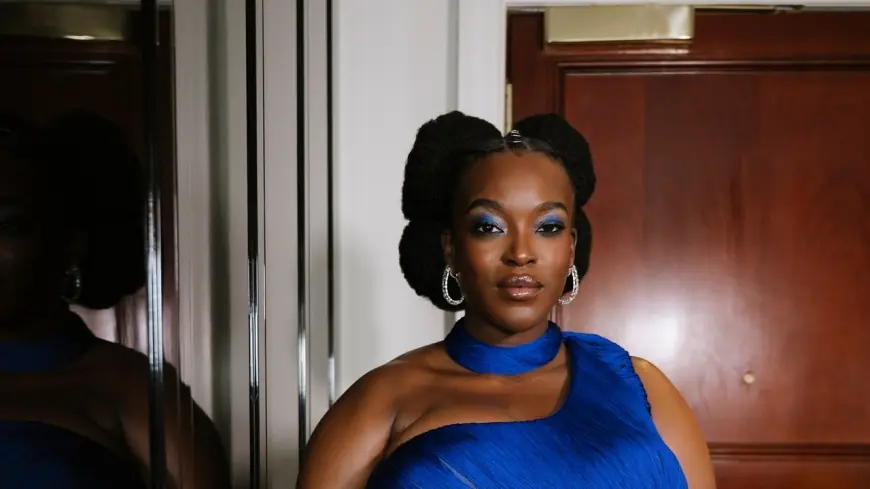
The win by Wunmi Mosaku matters first for people who have been waiting to see themselves reflected on a big stage: black women who said they felt seen, immigrant artists navigating identity, and audiences drawn to bold, genre-stretching work. Mosaku’s Best Supporting Actress prize for Sinners amplified conversations about ancestry, representation and industry recognition at the 2026 awards, and it has already generated Oscar speculation.
Wunmi Mosaku’s victory: who immediately felt its effect
Her speech and comments afterward made the emotional impact explicit: Mosaku described finding parts of herself she thought had been lost while trying to fit in as an immigrant, and she framed the role as a reclaiming of ancestral power and connection. She noted the response from black women — feeling seen, loved, valued and treasured — and said that recognition created unexpected kinship with people she had never met. Here’s the part that matters for audiences: that reaction changes how future performances are received and what roles feel possible.
How the film and its night performed on the awards stage
Sinners, a film that blends musical elements, vampire-thriller beats, romance and period drama against a Jim Crow–era Mississippi Delta backdrop, won multiple plaudits on the same night. Mosaku was praised alongside Jack O'Connell for their roles; the film also took a prize for best original screenplay. The project names include Ryan Coogler as a creative force and Michael B Jordan as the actor who plays Smoke, the husband of Mosaku’s character Annie. The film has been described as a box-office smash and a critical darling in the months since release, with some audience members reported to have returned to cinemas many times.
Personal background that informed the performance
M osaku is 39 years old, born in Nigeria and raised in Manchester after her family moved from the historic Nigerian city of Zaria when she was one year old. Those origins were part of what she said she accessed in playing Annie, a Hoodoo priestess, and they feed into how viewers and performers talk about identity on screen.
Career context: past milestones and recurring themes
This Bafta film award arrives nine years after Mosaku won the same category at the television Baftas for a portrayal in a drama about the death of 10-year-old Damilola Taylor, who was stabbed while walking home from a library in London. When that television programme aired in 2016, Mosaku reflected on growing up on an estate in Manchester, the gang-related deaths she witnessed among people she knew from school, and how narrowly different circumstances could have changed her own path. Her CV also includes appearances in high-profile television dramas and big-genre projects, and her Sinners performance has prompted talk of an Oscar nomination.
Behind the scenes, preparation and public moments
During awards season Mosaku described a relentless schedule — calling it a 14-day week — juggling hair and make-up while handling interviews and other logistics, and even trying to secure theatre tickets at the Wyndham Theatre on the same day. She said the role unlocked hopes and ancestral connections she had dimmed while adapting to life as an immigrant. Mosaku, who is pregnant, said she was shocked by the win and briefly lost her breath in the moment; she also thanked her daughter as one of her greatest teachers. She has spoken about being inspired to act after watching the 1980s musical Annie repeatedly after school, which led to an online search that introduced her to drama schools when she learned that Albert Finney had trained at RADA. For the Baftas night she chose an independent London designer for her gown.
Wider awards-night color and notable winners
The ceremony’s sweep included other headline results: One Battle After Another won Best Film, Robert Aramayo was named Best Actor for I Swear, and Jessie Buckley won Best Actress for Hamnet. A live account of the evening noted a theatrical start — a long film montage set to a Goldfrapp track — and a red-carpet montage featuring many first-time attendees, with one person becoming visibly unwell. An attendee allegedly shouted a question at Prince William; details of that moment are unclear in the provided context.
What’s easy to miss is that this moment combines personal reclamation and a broader appetite for films that mix genre and social themes. The real test will be whether industry recognition translates into more roles and sustained visibility for the kinds of stories Mosaku’s performance represents.
Key practical signals to watch in the months ahead include awards-season momentum beyond this night and whether Mosaku’s performance translates into long-term casting shifts for performers with similar backgrounds. If you’re wondering why this keeps coming up, it’s because representation that resonates emotionally often changes both audience demand and creative choices behind the camera.