

















Trail Blazers Vs Suns — trail blazers vs suns game preview and injury update

The Phoenix Suns return to action in Phoenix for the trail blazers vs suns matchup less than 24 hours after a double-overtime game that ended with a late three-pointer and a broken hand for Dillon Brooks. The quick turnaround, plus a crowded injury report, frames this as a test of depth and recovery for both locker rooms.
Trail Blazers Vs Suns Injury Report
The combined injury entries list multiple questionables and outs that could change rotation plans. Notable entries include Jalen Green — QUESTIONABLE (Right Knee Injury Management); Grayson Allen — QUESTIONABLE (Right Ankle Sprain); Haywood Highsmith — OUT (Right Knee Injury); Deni Avdija — QUESTIONABLE (Low Back, Injury Management); and Damion Lillard — OUT (Left Achilles Tendon).
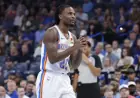
Additional roster notes show several players on assignment or inactive status and a handful of roster moves tied to those assignments. Deni Avdija is listed as questionable and is shown averaging 25 points, 7 rebounds and 7 assists over 47 appearances this season in the available player data.
Scouting the matchup
The Suns enter the game with a 33-24 record while the Trail Blazers sit at 27-30 and are described as six games back in the standings, positioned in the 10th seed with a cushion above the 11th place club. Recent meetings between these teams have featured long streaks and big swings; the Suns held a 130–125 victory on Feb. 3 after overcoming an early deficit that reached 19 points.
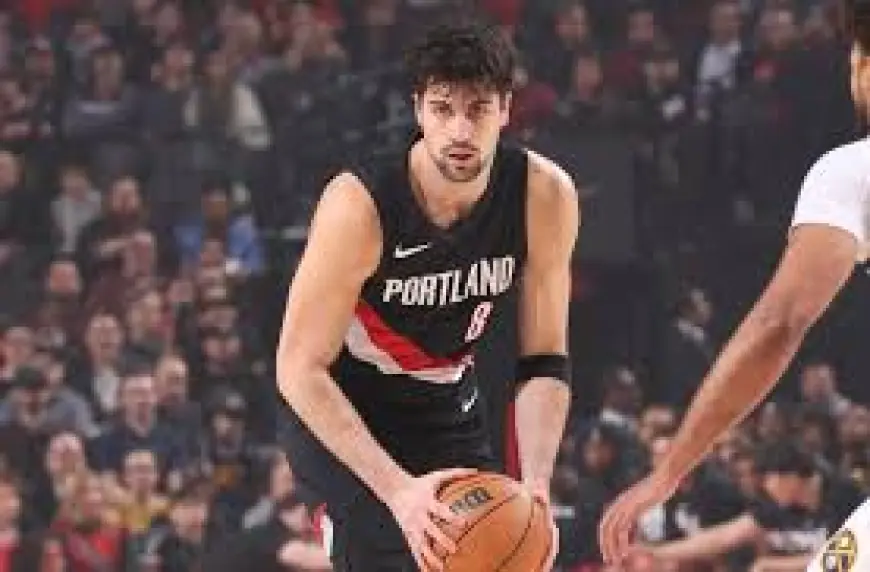
Portland’s profile is defined by heavy perimeter volume and interior hustle. The Trail Blazers rank 28th in three-point percentage at 34. 1% but attempt a high rate, 42. 5 attempts per game. They also present a rebounding edge — sixth in the league at 45. 9 rebounds per game with a 35. 4% offensive rebound rate, translating into 18. 3 second-chance points per night. Donovan Clingan is singled out for his offensive-rebounding production, leading with 4. 7 offensive rebounds per game. Expect a heavy dose of threes and a persistent attack on the glass in this matchup.
For the Suns, the immediate priorities noted are cleaner three-point shooting and better ball movement; those areas were flagged after the double-overtime game where neither was consistently effective. If the Suns can improve in one or both areas against Portland’s size and rebound focus, they are likelier to limit second-chance scoring and avoid another early deficit.
How to watch and schedule details
The game is scheduled for Feb. 22, 2026, in Phoenix; venue listings in available materials include PHX Arena and Mortgage Matchup Center in Phoenix, Arizona. Viewers should check local listings and team platforms for broadcast and streaming options.
- Key takeaways: Phoenix faces a quick turnaround and injury uncertainty; Portland leans on three-point volume and offensive rebounding; matchups at the rim and perimeter shooting will decide control of the game.
Outcomes to monitor: if Phoenix’s perimeter shooting and ball movement bounce back, the Suns can neutralize Portland’s second-chance edge. If Portland continues to attack the glass and the Suns struggle to defend the perimeter, the Trail Blazers’ extra possessions and three-point volume could create a path to an upset in Phoenix.