






















2026 Winter Olympics: Jack Hughes' Overtime Goal Gives Team USA Gold as Jon Cooper Slams 3-on-3 Format

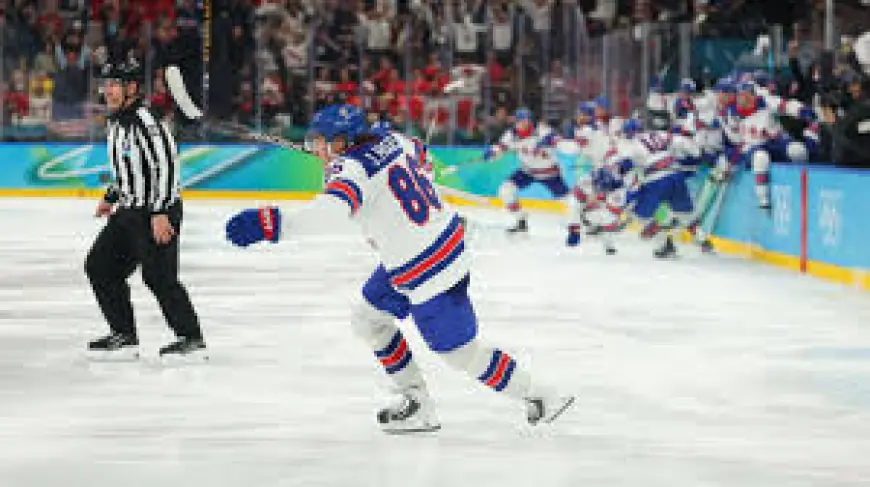
Team USA defeated Canada 2-1 in overtime to claim the Olympic men’s hockey gold at the 2026 Winter Olympics, with Jack Hughes scoring the decisive goal. The result cleared the podium but left Canada’s coach, Jon Cooper, publicly critical of the 3-on-3 overtime format used to decide the game.
Jack Hughes secures 2-1 overtime victory
In a match that ended 2-1 in overtime, Jack Hughes delivered the game-winning goal to give the United States the gold medal. The overtime strike determined the outcome for both teams and ended the championship contest in sudden-death fashion.
Jon Cooper critiques 3-on-3 overtime and game structure
Jon Cooper, coach of Team Canada, said he will not use the 3-on-3 overtime as an excuse for losing the gold medal game, but argued the format changed the nature of play. Cooper said that taking four players off the ice made the hockey "not hockey anymore, " and he pointed to the structural shift as a significant alteration to the championship contest.
Format mechanics: 3-on-3 and the removal of four players
The overtime format deployed in the final is built around 3-on-3 play, a setup that reduces each side to three skaters and thereby removes four players from the ice compared with the usual 5-on-5 alignment. Cooper’s critique centered on that numerical change and its effect on how the teams could compete in the decisive period.
Reactions and immediate framing of the gold medal game
Cooper’s comments included a pointed reference to professional playoff formats, encapsulated in the line that there is a reason 3-on-3 is not used in the Stanley Cup Final. He reiterated that he was not invoking the overtime rules as an excuse for the loss, even as he questioned whether the format preserved the traditional shape of the sport.
Reporting note and byline mention
This is a breaking news story. Ryan Gaydos, a senior editor, is named in the material accompanying the coverage of the game.
What makes this notable is that a single sudden-death goal in overtime—scored by Hughes—decided an Olympic final while prompting a high-profile coach to challenge the competitive integrity of the tiebreak method. The timing matters because the championship outcome was settled in that abbreviated, altered configuration of play, and Cooper’s comments link the format directly to how the final unfolded.
Unclear in the provided context: any additional specifics about the sequence leading to Hughes’s goal, the exact time of the overtime winner, roster line changes, or postgame statements beyond Cooper’s remarks and the identification of the game-winning scorer.