























2026 Olympics Held In Which Country: Milan Gala Gave Skaters a Public Moment to Recover

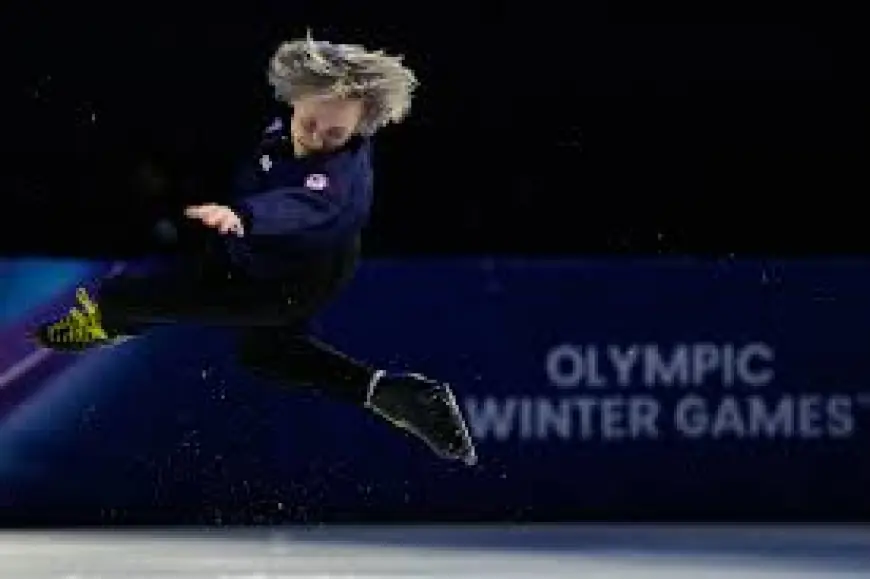
The Olympic closing exhibition in Milan offered immediate relief for athletes who carried heavy expectations into competition. The phrase 2026 Olympics Held In Which Country appears here because the city’s Assago Ice Skating Arena became the stage where more than 40 figure skaters—both jubilant champions and those nursing recent disappointments—skated for joy, catharsis and a live audience eager to applaud. For some competitors, the gala changed the tone of their Games before they left the city.
2026 Olympics Held In Which Country: who felt the impact first in Milan’s gala
Here’s the part that matters: Ilia Malinin and Alysa Liu were two Americans whose evening routines made clear who the gala affected most directly—the athletes and the crowd. Malinin, 21, used a performance to replace painful memories from the competition with a more positive final image; the crowd in Milan gave him a rousing reception. Liu, 20 and the Californian who had earlier walked away from the sport after the 2022 Beijing Games, skated on the same Olympic ice where she won two gold medals and got to savor that achievement again. The emotional charge landed on athletes who had won, missed expected medals, or simply needed a public release after intense pressure.
Event details and the tone shift on Saturday night
The traditional exhibition gala took place on Saturday night at the Assago Ice Skating Arena in South Milan. The venue—described as sitting next to a highway near a mall and a gray office park—hosted a roughly 150-minute show that mixed competitive brilliance with theatrical fun. More than 40 Olympic figure skaters participated in the evening, which is designed both to wrap up the program and to celebrate the sport rather than adjudicate it.
Gold medalists were saved for the end, and Kazakhstan’s Mikhail Shaidorov, the men’s champion, skated a light-hearted routine dressed as Kung-Fu Panda. The gala closed with every invited skater on the ice at once: women twirled, pairs paralleled one another, adventurous men backflipped and a collective, orchestral arrangement of "Viva La Vida" played while participants posed together for a large-group selfie.
Standout performances, costumes and musical choices
Ilia Malinin’s routine was both theatrical and athletic. He skated to "Fear" by NF, a song about mental-health struggles, in a grey hoodie and frayed jeans. Staged gestures—pretending to scroll a phone, flinching at imagined flashbulbs, pulling his hood down and batting away intrusive noises—evoked social-media pressure. He landed a quadruple jump and his trademark backflip with a one-footed landing, drawing a loud roar from the crowd, and ended by pretending to put on headphones, creating immediate silence in the arena.
Alysa Liu performed last of all to "Stateside" by Zara Larsson and PinkPantheress, relishing the chance to skate again on the ice where she had won two gold medals. Amber Glenn, who helped the U. S. defend the team gold, skated with her hair down to a cover of "That’s Life" by Lady Gaga; her evening routine followed a major short-program mistake and one of the best free skates of her career. Opening the show, former Italian skater Carolina Kostner—bronze medallist at the 2014 Winter Games—performed a duet with a 3D projection meant to map an athlete’s journey from first steps to fully realized talent.
The gala indulged in playful excess: a panda outfit, Mortal Kombat and Guns n’ Roses themes, Tenacious D playing overhead, and notable spectators at rinkside, which all helped shift the night’s tenor away from judging and toward performance. Whether a performance signaled a deliberate statement or a personal release was sometimes unclear in the provided context; nonetheless, the overall effect for many participants was a visible unburdening.
Quick Q&A about the Milan gala and its signals
- Q: Who used the gala to process disappointment? A: Ilia Malinin and Amber Glenn both skated routines that followed costly mistakes in competition and read as attempts to exorcise those moments.
- Q: Who celebrated comeback and triumph? A: Alysa Liu skated joyfully on the ice where she had won two gold medals, and Mikhail Shaidorov performed a light-hearted winning routine.
- Q: Did the gala sidestep broader concerns about the sport? A: For roughly 150 minutes participants and fans set aside underlying issues—controversial judging, coaches’ influence, and other structural worries—and focused on skating’s enjoyment.
What’s easy to miss is how deliberately theatrical choices—costumes, song selections and choreography—served as emotional translation devices for skaters who had lived through high-pressure performances only days earlier. The real test will be whether those final images follow the athletes home or whether competitive narratives reassert themselves once the Games are over.