
























Pakistan Targets Afghan Militants in Retaliatory Airstrikes for Border Attacks

Pakistan announced on Sunday that it launched airstrikes targeting militant camps in Afghanistan. This action marks a significant escalation in tensions between the two countries.
Details of the Airstrikes
The strikes were executed by the Pakistani military, which referred to them as “intelligence-based, selective operations.” The focus was on seven camps associated with militants responsible for recent violence in Pakistan. Key targets included:
- Tehrik-e-Taliban Pakistan (TTP)
- Affiliated militant groups
- Groups linked to the Islamic State
Aftermath and Reactions
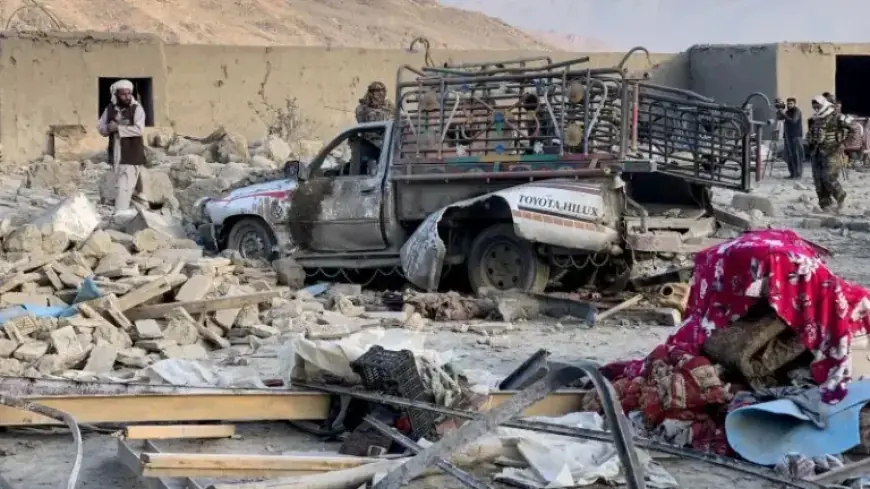
Afghanistan’s Ministry of Defense condemned the airstrikes, labeling them a violation of national sovereignty and international law. Reports indicated that the strikes impacted civilian areas in the eastern provinces of:
- Nangarhar
- Paktika
Casualties included at least 18 individuals, with women and children among the deceased. Sayed Tayeb Hamad, a senior police official in Nangarhar, noted that bodies were still being retrieved from debris on Sunday morning.
Context of Tensions
This military action comes on the heels of a series of violent incidents in Pakistan, including the deaths of two soldiers in a northwest province and a deadly suicide blast in Islamabad. Pakistani authorities claimed there was “conclusive evidence” connecting the perpetrators of these attacks to Afghan-based leaders.
The airstrikes represent a critical test of the fragile ceasefire established last October, following intense clashes along the nearly 1,600-mile border between Pakistan and Afghanistan. Both nations have a history of accusations against each other regarding harboring militants.
Statements from Officials
Pakistan’s Defense Minister Khawaja Asif previously indicated the intention to eliminate TTP leadership based in Afghanistan, asserting a commitment to utilizing all available means to achieve this objective. This comment underscores the ongoing volatility and hostile dynamics between the two nations.
As tensions heighten, the international community is closely monitoring the situation, given potential implications for regional stability.