





















Yaxel Lendeborg’s Rise Is Reshaping Michigan’s Rotation and Draft Conversation

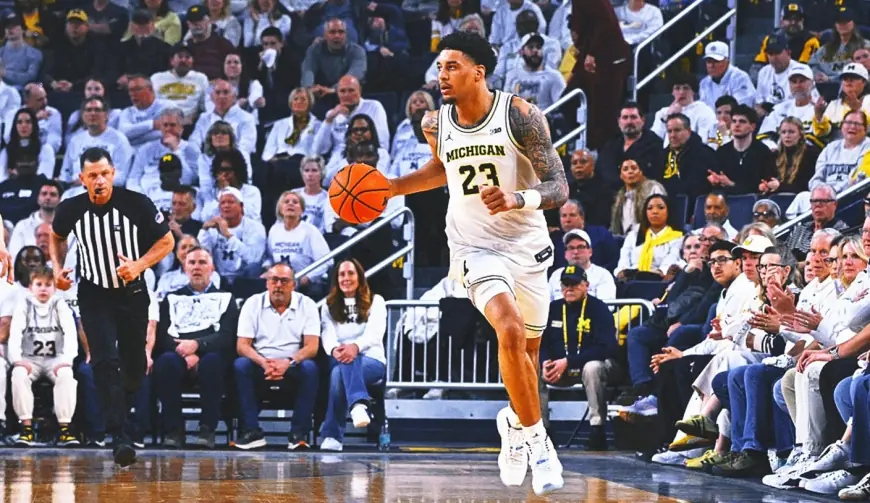
Why this matters now: yaxel lendeborg’s late-season recognition and steady production are altering opponent game plans and sharpening conversations about professional potential just as Michigan heads into a critical stretch. The immediate impact lands on Michigan’s lineup construction, matchup flexibility, and scouting boards — all of which shift when a 6-foot-9 wing can score, rebound and handle primary minutes.
Yaxel Lendeborg’s immediate effect on matchups, minutes and scouting outlook
Michigan’s depth and willingness to play multiple big wings at once are practical advantages magnified by Lendeborg’s presence. He leads the team in points, rebounds, steals and minutes, creating lineup choices that force opponents to decide how to guard a 6-foot-9 forward who can attack the rim, make plays in transition and stretch the floor. Here's the part that matters: defenders who must account for his length and playmaking open passing lanes and driving room for teammates.
He’s not just a mismatch finisher. yaxel lendeborg’s shooting improvements have allowed Michigan to field three players 6-foot-9 or taller in the same lineup, which changes spacing and defensive matchups. The real question now is how that versatility will translate under tournament pressure and in tighter rotations against elite opponents.
Recognition, numbers and notable performances that drove momentum
Lendeborg was named to a late-season national player of the year list on Feb. 19, a nod that landed amid a season where he leads his team with 14. 4 points and 7. 5 rebounds per game. The 6-foot-9 forward is shooting 50% from the floor, 30. 6% from three and 82. 9% from the free-throw line, while also averaging 3. 2 assists, 1. 2 steals and 28. 8 minutes per game. He transferred in from UAB, where he had earned conference-level honors and averaged double-doubles in both seasons there.
- Standout games: A near triple-double against Maryland featured 29 points, nine assists and eight rebounds, plus three blocks and two steals and four three-pointers in that performance.
- Signature early-season moment: A multi-category outing in late January (18 points, nine rebounds, four assists, three steals) followed by special recognition shortly after.
- Team context: He’s been central as the Wolverines compiled a 25-1 ledger during the run referenced in coverage.
- Prospect note: He’s been listed as a first-round prospect for the 2026 class, with mock drafts placing him as high as the top 15.
What’s easy to miss is how those box-score lines reflect both scoring and playmaking instincts; the near triple-double was as much a demonstration of vision as it was of scoring burst.
Mixed takeaways for readers tracking implications:
- Michigan: Gains lineup flexibility and the ability to mask matchups by stacking length without sacrificing perimeter threat.
- Opponents: Must decide whether to match physical size or chase him with smaller, quicker defenders — both choices create different problems.
- Draft chatter: A first-round projection raises how evaluators value two-way versatility at forward positions.
- Signals to watch: sustained efficiency in high-stakes games and how coaching deploys him against elite frontlines will clarify his next-step readiness.
Brief timeline of verifiable moments:
- Dec. 13 — Season-best, near triple-double vs. Maryland with 29 points, nine assists and eight rebounds.
- Jan. 23 — Strong all-around game that preceded a national play-by-play recognition later that month.
- Feb. 19 — Named to a late-season player of the year team that highlights top performers that stretch of the season.
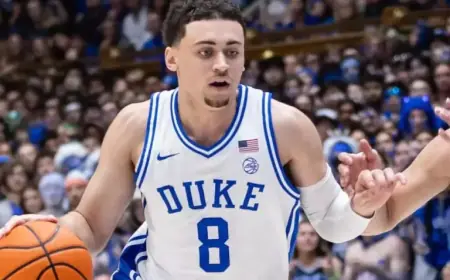
He’ll look to add to this resume in Saturday’s matchup against Duke, tipping at 6: 30 p. m. ET. The bigger signal here is whether those performances remain consistent against top opponents — that will shape both postseason expectations and draft positioning.
The real test will be postseason play and sustained matchups against elite wings and bigs; success there would turn late-season buzz into concrete draft movement and larger program milestones.
It's easy to overlook, but his combination of size, improved perimeter shooting and playmaking in single games is what separates occasional standout nights from reliable, high-level production.