

















“Punch Monkey Japan” Goes Viral After Orphaned Baby Macaque Clings to Plush Toy, Sparking Crowds, Debate, and a Misleading Name

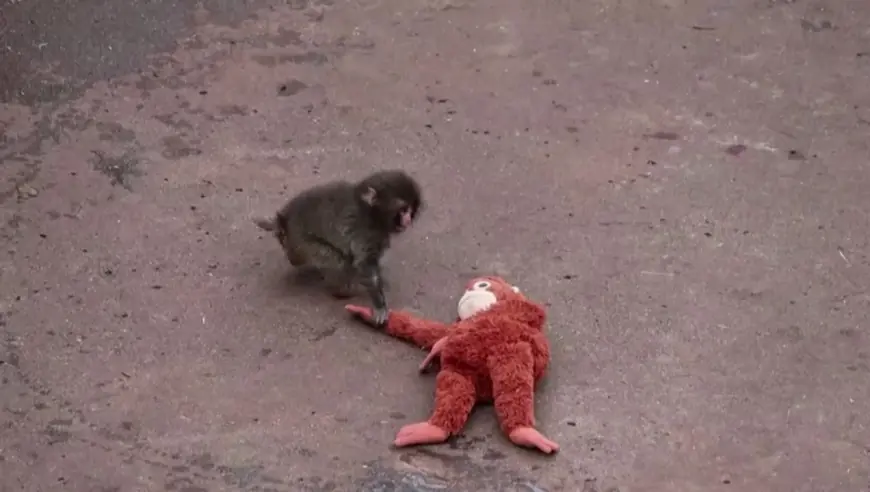
Searches for “punch monkey,” “punch the monkey,” and “punch monkey Japan” have surged this weekend, but the story is not about people harming animals. “Punch” is the name of a young Japanese macaque at a zoo near Tokyo whose struggle to fit in with a troop, and his attachment to a stuffed orangutan toy, have turned him into an unlikely symbol of loneliness and resilience.
In recent days, short clips showing Punch being rebuffed by other macaques, then retreating to hug his plush companion, spread rapidly online. The zoo says the scenes reflect normal socialization dynamics for macaques and that the baby is being monitored as he gradually learns how to integrate.
What happened: Punch the baby macaque becomes a viral phenomenon
Punch was abandoned shortly after birth and raised with intensive care by zoo staff. As he began spending more time with the macaque troop, keepers introduced comfort objects to mimic the physical security normally provided by a mother. The one that “stuck” was a long-haired orangutan plush, which Punch carries, cuddles, and uses as a calming anchor when other monkeys ignore him or push him away.
The viral clips created two parallel reactions. First came an emotional wave of sympathy, with viewers interpreting Punch as being bullied. Then came a second wave: crowds visiting the zoo specifically to see him, along with a broader debate about how humans should interpret primate behavior in captivity.
Behind the headline: why this story spread so fast
Context
A baby animal clinging to a comfort object hits an immediate, universal nerve: attachment. It also echoes decades of scientific understanding that infant primates need tactile comfort and stable social bonds, not just food and shelter. That makes Punch’s behavior feel legible to humans in a way many wildlife stories do not.
Incentives
-
For the zoo, the incentive is to support Punch’s long-term integration with the troop, because social belonging is the real goal. The constraint is that intervention can backfire if it prevents the youngster from learning macaque social rules.
-
For online audiences, the incentive is emotional clarity: a “sad baby” narrative with a visible villain and a visible comfort. The constraint is that primate social behavior rarely offers clean heroes and villains.
-
For animal welfare advocates, the incentive is to use a viral moment to spotlight standards of care for captive primates. The constraint is avoiding conclusions based on a few seconds of video.
Stakeholders
-
Zoo staff and veterinarians, who must balance public sentiment with the needs of the animals
-
Visitors, who may change the environment through crowd size and noise
-
Welfare organizations, which may call for policy changes on primate housing and enrichment
-
The wider public, whose perceptions can influence funding, oversight, and regulation of zoos
Second-order effects
Viral fame can alter the animal’s day-to-day conditions. If crowds grow, the zoo may need barriers, quiet zones, or adjusted viewing times to reduce stress. Public attention can also pressure institutions to explain animal behavior more transparently, which can be positive, but can also trigger backlash if explanations conflict with viewers’ emotional interpretations.
What we still don’t know: the missing pieces in “punch monkey Japan”
Several key details remain unclear to the public and will determine whether this stays a heartwarming story or becomes a longer-running controversy:
-
How quickly Punch is progressing with troop acceptance and whether he is forming reliable peer bonds
-
Whether the plush toy will be phased out naturally as social confidence grows, or whether he remains dependent longer than expected
-
How the zoo is managing viewing conditions and minimizing stress during peak visitor interest
-
Whether the viral narrative is driving harassment or threats toward the zoo, which can complicate normal operations
Why “punch the monkey” is confusing, and how the phrase is being used
A lot of search traffic appears to come from people seeing the name “Punch” and assuming the story involves violence. Others are bumping into unrelated uses of the phrase, including older game and pop-culture references that share similar wording. That collision is amplifying confusion: the real-world story is about an animal named Punch, not an invitation to “punch monkeys.”
It also highlights a recurring online problem: emotionally charged clips, stripped of context, can trigger calls for action that are misdirected. In this case, anger at the macaques themselves misses the point. Macaques establish hierarchy and boundaries physically; what looks cruel to humans can be normal, even necessary, within their social system. The meaningful question is whether the captive environment supports healthy social development and provides safe enrichment while that learning happens.
What happens next: realistic scenarios and their triggers
-
Gradual integration, viral interest fades
Trigger: Punch forms a stable friendship, relies less on the plush, and the story becomes a quiet success. -
Sustained dependence on the plush
Trigger: repeated social setbacks slow his confidence, keeping the toy central and keeping the public fixated. -
Zoo adjusts public access
Trigger: visitor volume increases stress indicators, prompting stricter crowd controls or limited viewing windows. -
Welfare debate intensifies
Trigger: advocacy groups push for audits or reforms, using Punch as a catalyst for broader primate care standards. -
A new viral clip changes the narrative
Trigger: a single moment, good or bad, redefines public perception and forces a fresh round of explanations.
Why it matters
Punch’s story is compelling because it sits at the intersection of empathy and biology. Humans recognize comfort-seeking instantly, but primate social life does not run on human emotions alone. Whether Punch becomes a feel-good case of rehabilitation or a flashpoint about captivity will depend on what happens off camera: careful, boring, consistent work to help a vulnerable infant become a functioning member of a complex troop.