























Gran Canaria Flights: What the Kassel launch delay means for travelers from Germany and Slovakia

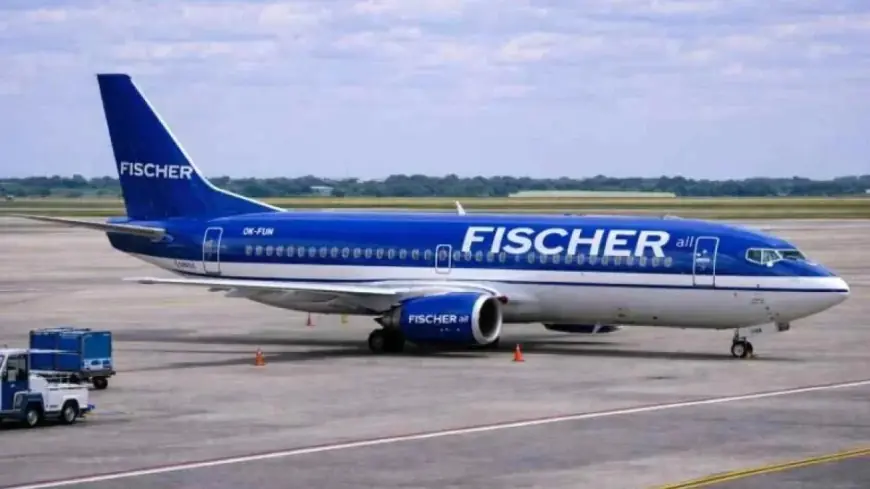
Travelers who had counted on a new direct link from Kassel — especially customers in Germany and Slovakia — are the first to feel the impact after FISCHER Air postponed its Kassel–Gran Canaria debut. The disruption creates immediate uncertainty for holiday itineraries and for operators who were preparing for extra arrivals; gran canaria flights that promised easier access to the Canary Islands are now delayed and travelers must reconsider bookings and timing.
Gran Canaria Flights: Who faces the immediate ripple and why it matters
Passengers booked on the planned Kassel–Gran Canaria route face the most immediate inconvenience: altered departure plans, potential rebooking or refund requests, and the hassle of finding alternatives. The postponement also interrupts a projected flow of tourists between Slovakia and the Canary Islands, affecting hotels, tour operators and local services that expected more visitors.
Here's the part that matters: the route was meant to simplify travel for central European holidaymakers seeking Gran Canaria's milder climate and beach tourism, so the delay shifts demand onto other airports and carriers and creates short-term pressure on travel planning systems.
What’s easy to miss is that travelers with package deals and those booking independently will experience different friction points — packages may be restructured by agents while independent travelers must hunt for replacement flights or accept date changes.
What happened with the Kassel route — and practical next steps for affected travelers
FISCHER Air, a Slovakia-based low-cost carrier, has postponed the launch of its Kassel–Gran Canaria service. The announcement leaves many prospective holidaymakers anxious and forces those with bookings to consider alternatives. Options being suggested for affected travelers include seeking rebooking or refunds from the airline, exploring flights from nearby airports, checking holiday package offers that bundle transport and accommodation, or adjusting travel dates to align with new schedules.
For travelers tracking available gran canaria flights, the immediate reality is that this specific direct service is not starting as planned, so contingency planning is necessary. Passengers should contact their booking channel — airline or agent — to understand their choices and deadlines for refunds or changes.
- Passengers with confirmed bookings should check rebooking and refund options promptly; policies vary by booking channel.
- Alternative routings nearby airports are a practical stopgap while the Kassel launch is paused.
- Package deals may be easier to shift than individually assembled travel, depending on providers’ flexibility.
- Local tourism providers in the Canary Islands that anticipated extra arrivals from central Europe may see a brief dip in expected demand.
- A clear signal that the situation is stabilizing would be an updated launch timetable from the carrier or visible seat inventory reopening for Kassel departures.
The real question now is how long the postponement will last and whether anticipated demand will be rerouted to other services or deferred to a future launch. For the island’s tourism ecosystem, even a temporary pause reshuffles arrival patterns and planning assumptions for the season.
Practical advice for readers: prioritize contacting your booking provider, scan nearby airport options if dates are rigid, and consider bundled offers from agencies if flexibility is limited. Schedule changes are disruptive, but they can be managed more smoothly with prompt action.
It’s easy to overlook, but the broader effect isn’t just isolated passengers: planned increases in tourist flow between Slovakia and the Canary Islands are delayed, meaning local hospitality stakeholders will need to adapt to revised arrival forecasts.