




















Chicken Fried Rice Recall Raises Fresh Food-Safety Concerns for Shoppers and Store Freezers

Who feels it first: shoppers and grocery stores with the product in their freezers. The Chicken Fried Rice Recall matters because the product is sold ready-to-eat and the government notice warns some packages may still be in retail or household freezers. Consumers who own the item are being urged not to eat it, and retailers are being asked to remove or accept returns.
Immediate impact: Chicken Fried Rice Recall affects consumers with freezer stock and stores holding inventory
Here’s the part that matters: the recall targets a ready-to-eat frozen chicken fried rice product after customers found glass fragments in multiple packages. The manufacturer alerted the federal food-safety agency following customer complaints; four separate complaints noted glass in the product, and there have been no confirmed injuries linked to these reports.
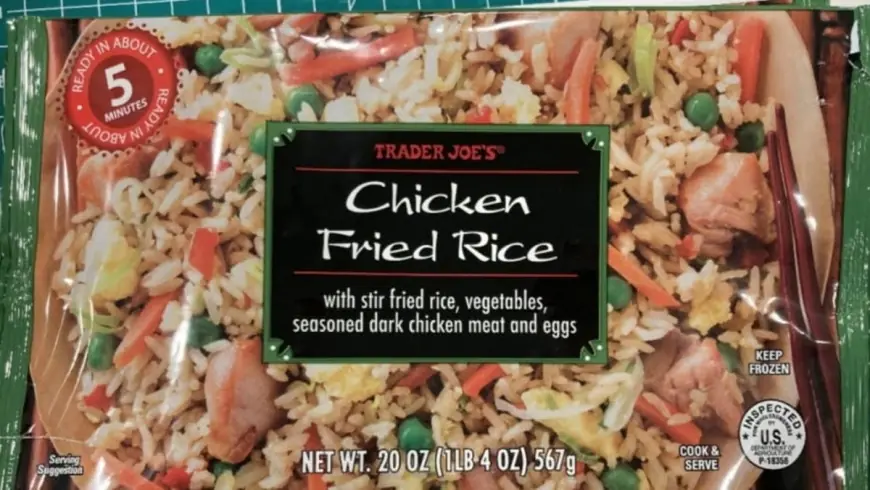
- Product packaging: green 20-ounce plastic bag labeled for the chain’s chicken fried rice that lists stir fried rice, vegetables, seasoned dark chicken meat and eggs.
- Best-if-used-by dates on the recalled packages span from Sept. 8, 2026 through Nov. 17, 2026.
- Number of customer complaints: four reports of glass found in product packages; no confirmed injuries have been identified.
- The federal notice warns some packages may still be in retailer or consumer freezers and directs that affected items should be thrown away or returned to the place of purchase.
- The manufacturer provided a phone number and email for customer questions; the federal hotlines and an electronic complaint portal are also available for food-safety inquiries and reports.
It’s easy to overlook, but the federal notice did not specify how many pounds or units were recalled, leaving the scale of the withdrawal unclear.
Details behind the alert and what happened next
The manufacturer notified the federal Food Safety and Inspection Service after receiving the customer complaints. The food-safety agency posted a notice of concern and urged consumers not to consume the product. Retailers and consumers were told to discard the affected packages or return them to the point of purchase.
If you're wondering why this keeps coming up: glass in food is treated as an immediate safety hazard because it can cause cuts or choking. In this case, officials emphasized precaution—no injuries are confirmed, but the presence of hard foreign material triggered the recall process to prevent potential harm.
Micro timeline:
- The manufacturer alerted the federal food-safety agency after customer complaints were received.
- The food-safety agency shared a public notice on Feb. 19.
- Media outreach to the retailer occurred on Feb. 20; a response was not provided at that time.
Practical next steps for consumers: check freezer stock for the green 20-ounce bag with the listed best-if-used-by dates; if you find the package, do not eat it. Either discard the item or return it to the place of purchase. Customers with questions can use the contact options provided by the manufacturer or the federal hotlines and complaint portal for guidance and to report issues.
The real test will be whether manufacturers and retailers can quickly locate and remove remaining inventory and whether follow-up notices clarify the total amount withdrawn. Expect additional updates if more consumer reports surface or if authorities expand the recall scope.
Writer's aside: The bigger signal here is that missing information on the total quantity recalled makes it harder for shoppers and regulators to judge the incident's scale, even though the immediate safety instruction is straightforward.