






















Rebecca Gayheart: Eric Dane Spent Final Months Mobilizing Funds and Awareness for ALS

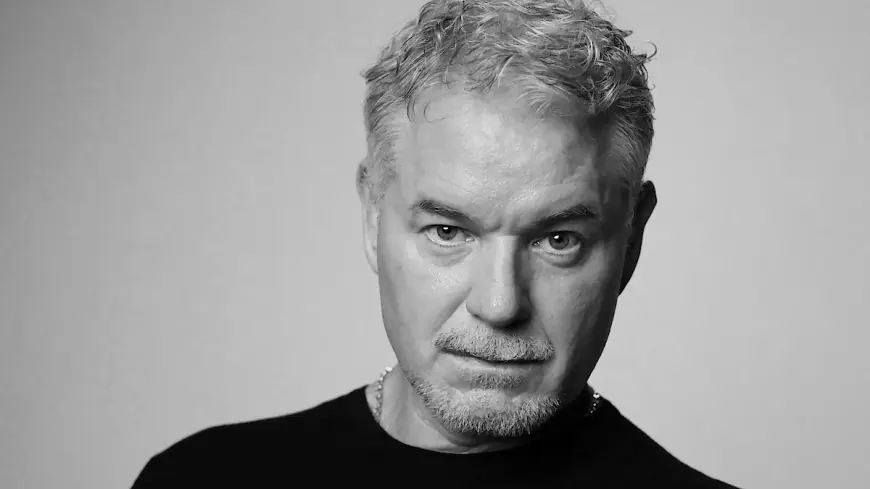
Rebecca Gayheart. Eric Dane, the actor best known for a long-running role on a hospital drama, has died 10 months after confirming he had been diagnosed with amyotrophic lateral sclerosis (ALS). The timing matters because Dane spent those final months actively campaigning to raise funds and public attention for a disease that currently has no cure.
Development details
Eric Dane shared in April 2025 that he had been diagnosed with ALS, a progressive motor-neurone disease that leads to loss of voluntary muscle control and eventual inability to speak, eat, walk and breathe independently. He was 53 at the time of his death.
In the months that followed, Dane became a visible campaigner. In September he helped launch a three-year effort aiming to secure more than $1 billion in federal research funding dedicated to ALS. He also appeared in a campaign video in which he introduced himself as an actor, a father and someone living with ALS, and urged renewed focus on ending the disease.
By December he had joined the board of directors of a research organization focused on ALS and was credited with helping one of that organization’s campaigns surpass a fundraising target of $500, 000. He also brought his condition into his craft: in November he appeared on an episode of a medical drama as a firefighter facing an ALS diagnosis, and later described the experience as challenging but cathartic when speaking on a virtual panel.
Rebecca Gayheart — Context and pressure points
The immediate sequence of events—public diagnosis in April, high-profile fundraising campaign launch in September, board appointment and continued public advocacy by December—reflects growing pressure on federal and private funders to accelerate ALS research. Medical treatments and technologies can sometimes improve quality of life for people with ALS, but the context remains that there is no cure.
What makes this notable is the way Dane combined personal testimony, formal advocacy and dramatic performance to amplify attention. He framed his work bluntly: he told interviewers he was trying to save his life, and said that if his actions could move the needle for himself and others, he would be satisfied. That framing purposefully connected individual urgency with broader research and funding gaps.
Immediate impact
Patients, researchers and advocacy organizations are the most direct stakeholders affected by Dane’s campaign. His board role coincided with a measurable fundraising milestone for a research group, and his public profile helped draw attention to the three-year funding goal targeting federal resources. For families living with the disease, increased public awareness can mean greater visibility for clinical trials, support services and research dollars.
Within the research community, the short-term effect is heightened advocacy momentum. The campaign Dane helped launch targets a specific federal funding figure and sets a timetable for that effort; surpassing early fundraising benchmarks suggests that public-facing advocacy can translate into tangible financial support for research initiatives.
Forward outlook
In the weeks and months ahead, confirmed milestones to watch will be the progress of the three-year federal funding campaign and any announcements from the research organization’s board about new grants or trial support tied to the recent fundraising gains. The matter remains under review in terms of longer-term policy outcomes, but immediate signals are concrete: the campaign has public backing, a board appointment has been formalized, and fundraising targets have been exceeded in at least one early effort.
For advocates and clinicians, the next checkpoints are administrative and financial: whether federal policymakers respond to the campaign’s funding plea, and whether research groups convert raised dollars into expanded trials or new therapeutic projects. The broader implication is that high-profile personal advocacy can accelerate fundraising and awareness, potentially shortening the distance between public attention and funding commitments.
Eric Dane’s last months were marked by sustained public engagement aimed at altering the research landscape for ALS. Rebecca Gayheart