






















Canada Hockey Olympics: Megan Keller’s OT Strike Hands U.S. Women Gold in Thriller

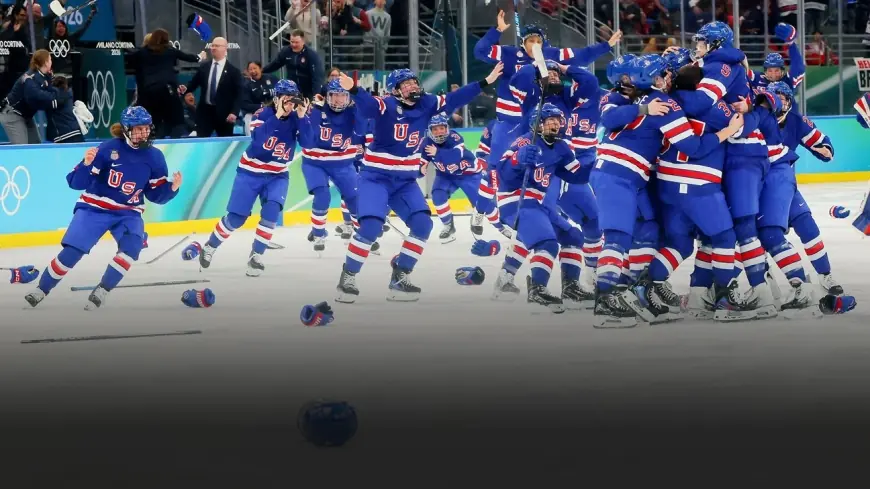
Megan Keller’s overtime goal gave the United States a 2-1 victory over Canada in the women’s hockey final at the canada hockey olympics, ending the game in 3-on-3 sudden death and bringing the U. S. team the gold. The result matters now because it closed a tournament defined by stingy defense, a veteran star’s finale and a visible pipeline of young talent stepping up on the biggest stage.
Development details
The championship game was decided in 3-on-3 overtime when Megan Keller scored the golden goal to seal a 2-1 win over Canada. Regulation time ended tied 1-1 after Hilary Knight deflected a shot with the goalie pulled to tie the game late in the third period, setting the stage for Keller’s finish in extra time.
Earlier in the final, the United States had surrendered a short-handed goal from a Canadian fourth-liner in the second period; that tally was only one of two goals the U. S. defense allowed across the entire tournament. U. S. goaltender Aerin Frankel made 30 saves in the final, finishing the tournament with a. 980 save percentage and becoming the first goalie in Olympic history to record three shutouts in a single tournament.
Hilary Knight’s game-tying goal carried extra significance: it moved her into sole possession of the U. S. Olympic record books for career goals and points, with totals noted during the match that represent the most for any Team USA player in Olympic competition. The final also served as Knight’s last Olympic game; she had announced earlier that these Games would be her fifth and her final Olympic appearance.
Canada Hockey Olympics: Context and pressure points
The U. S. roster combined seasoned veterans and breakout younger players, a mix that shaped the tournament from the opening puck drop. Wisconsin seniors Caroline Harvey and Laila Edwards stood out in ice time and production, recording a combined point total that made them the top two U. S. skaters by minutes and contributions. That balance of experience and youth helped the United States endure a low-scoring tournament where defense and goaltending dominated.
What makes this notable is how the final encapsulated the tournament’s recurring themes: elite defensive structure, timely scoring from established leaders, and contributions from less-heralded players. The U. S. team gave up only two goals in the tournament overall, tying a benchmark previously set by past teams. Those numbers underlined a strategic approach that relied on limiting opponents’ chances and leaning on goaltending excellence.
Immediate impact and forward outlook
The immediate reaction radiated beyond the national team. Multiple graduates of a single high school program emerged as part of the gold-medal roster, underscoring the influence of concentrated development programs at the grassroots level. Five graduates from one school were identified among the U. S. roster, including players in defense, forward and goaltending roles; teammates and community members marked the achievement as a culmination of long-term development paths.
Youth teams and local coaches have already been looking to this U. S. squad for inspiration after the tournament, drawing lessons from the blend of veteran leadership and youthful contributions. That connection between elite results and community-level programs illustrates a tangible pipeline: players who trained together at young ages reached the sport’s highest podium and will now serve as reference points for younger athletes.
Looking ahead, confirmed milestones are limited to post-tournament transitions noted by participants. Hilary Knight’s Olympic retirement marks a clear roster and leadership inflection point for the U. S. program. Attention will realistically turn to how national team planners and development systems integrate the tournament’s breakout performers and how established veterans’ departures reshape selection and leadership ahead of future international competitions.
The timing matters because this outcome arrives after a tournament in which defense and goaltending were decisive; team builders now have measurable signals about which young players handled high minutes and pressure situations. Those confirmed developments — a gold medal earned in overtime, a record-setting farewell from a long-serving star, and a string of successful youth-to-elite trajectories — frame immediate conversations about roster construction and development priorities going forward.