

























Sehri Dua: What to know as Ramadan 2026 begins on February 18

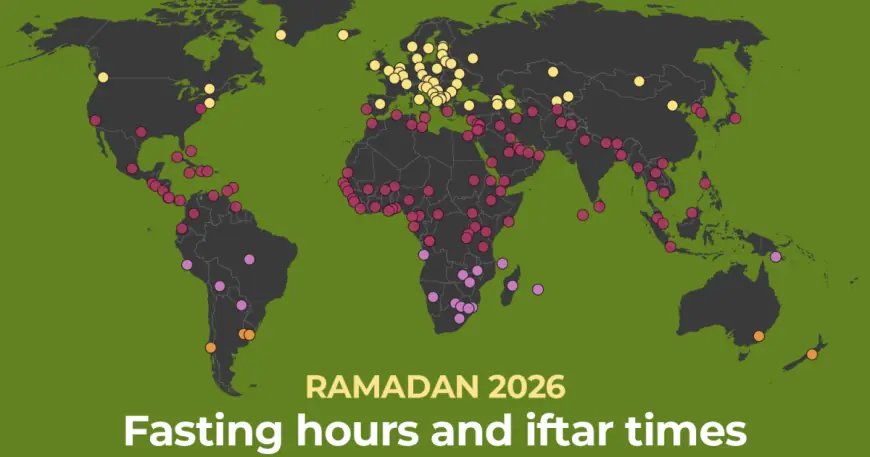
With the crescent sighted and the first day of fasting set for Wednesday, February 18, many preparing for pre-dawn rituals will be searching for sehri dua as they plan suhoor and the day’s fast. The timing matters: the dawn-to-dusk fast this year ranges from 11. 5 to 15. 5 hours depending on where you are.
Sehri Dua and pre-dawn routines
Muslims begin the daily fast with a pre-dawn meal called suhoor and end it with iftar after sunset; the month itself will last either 29 or 30 days. On the first day of fasting, people in much of the Northern Hemisphere can expect shorter fasts of about 12 to 13 hours, while residents in southern countries such as Chile, New Zealand and South Africa will see longer fasts of about 14 to 15 hours on the first day.
Fasting hours: 11. 5 to 15. 5 hours worldwide
The dawn-to-dusk fast lasts anywhere from 11. 5 to 15. 5 hours, depending on location. For nearly 90 percent of the world’s population living in the Northern Hemisphere, fasting hours will be a bit shorter this year and will continue to decrease until 2031, when Ramadan will encompass the winter solstice. Because the Islamic calendar is lunar, Ramadan begins about 10 to 12 days earlier each year and sometimes shifts between calendars; the month in 2026 follows the crescent sighting that set the first day on February 18.
How people greet each other during Ramadan
Common greetings exchanged during the month include "Ramadan Mubarak" and "Ramadan Kareem, " phrases used to wish someone a blessed or generous month. Before the fasting month officially begins, announcements typically follow the sighting of the crescent moon by local committees or mosques, and many communities will mark the start of the fast with suhoor on February 18.
Practical details for observers: the daily fast entails abstaining from eating, drinking, smoking and sexual relations during daylight hours, with the month’s length set at 29 or 30 days. Suhoor—a modest pre-fast meal—takes place just before dawn, and iftar occurs after sunset; timetables for both the first and last days of Ramadan vary by city and will be used by communities to plan daily observances.
The next confirmed milestone is the first day of fasting on Wednesday, February 18, followed by the month’s conclusion after either 29 or 30 days as determined by the lunar calendar.