






















Cavaliers Vs Hornets: Cleveland’s Seven-Game Surge, Mitchell’s 100th 30+ Night and the Shift in Team Momentum

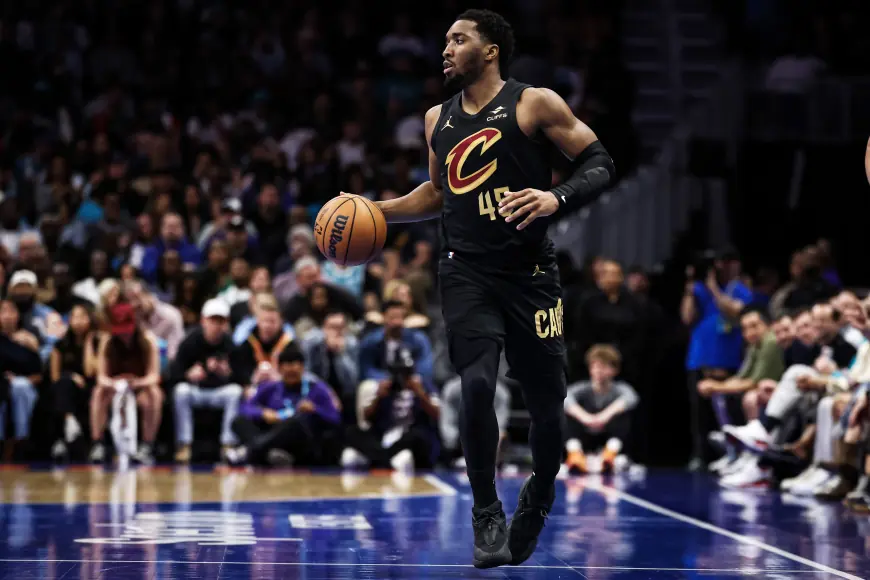
The Cleveland-Cincinnati matchup that mattered most to the Cavs’ current narrative was the cavaliers vs hornets game on Feb. 20, 2026: a 118-113 win that pushed Cleveland’s streak to seven and delivered a milestone scoring night for Donovan Mitchell. This matters because the win and individual performances reinforce a clear performance shift — an offense getting more dialed in and role players adjusting around new ball-handlers — with immediate effects on lineup usage and rotation decisions.
Cavaliers Vs Hornets — momentum, roles and what’s changed
Here’s the part that matters: Cleveland’s recent run is not just a collection of wins, it’s a visible reconfiguration of how scoring and playmaking are distributed. Donovan Mitchell produced 32 points (with 4 assists, 3 rebounds and 2 steals), reaching his 100th 30-point game as a Cavalier, and demonstrated the pull-the-team-through scoring the roster has leaned on. At the same time, the arrival of the new ball-handler has made the offense feel more potent, with Harden handing out 8 assists in the game while recording 18 points, 3 rebounds and 1 steal — a combination that has altered minutes and chances for others.
It’s easy to overlook, but the bigger signal here is that individual milestones (like Mitchell’s) are happening inside a framework that is materially different from earlier in the season: starters are occasionally being managed differently and bench contributions are being asked to flip from high-usage scoring to more specialized impact.
Game details and player grades — the box of how the win was built
Final score and context: Cleveland won 118-113, extending its win streak to seven. Several individual lines explain how the Cavs held on.
- Donovan Mitchell: 32 points, 4 assists, 3 rebounds, 2 steals. He began the game 4-for-15 before finishing strong (5-for-8 the rest of the way), marking his 100th 30+ point game in a Cavalier uniform.
- Harden: 18 points, 8 assists, 3 rebounds, 1 steal. His playmaking has lifted the offense’s potency though there remain notes about defensive activity and rebounding.
- Jarrett Allen: 26 points, 14 rebounds, 2 assists, 1 block. Rebounding and interior aggression were pivotal — his 14 boards were framed as a difference-maker for the close finish.
- Role contributions: A guard produced 4 points, 4 rebounds, 3 assists and 2 steals with notable defensive hustle; another big posted 2 points, 5 rebounds, 1 assist and 2 blocks with mixed moments; the bench included steals and timely shooting (two made threes off the bench late to close it out), and a reserve hit 2-of-4 from distance and made activity cuts early in the game.
Both teams had played on the second half of a back-to-back when they met, and Charlotte had recently come off a narrow loss while Cleveland had won and rested some starters the previous night. Previous meetings between the clubs this season included an overtime win by Charlotte and two separate seven-point wins for Cleveland.
- Cleveland’s immediate signal: the team’s offense appears more potent with the new primary facilitator and scoring balance shifting toward efficient bursts from Mitchell and interior work from Allen.
- Who feels the change first: starters seeing adjusted minutes and perimeter players who must accept more defensive/energy roles rather than high-volume scoring.
- What could confirm a longer-term turn: sustained assist numbers from the primary distributor and consistent fourth-quarter shooting from returning perimeter shooters.
- Short-term roster note: certain players are seeing fewer opportunities as lineup priorities shift; how coaches manage rotations over the next few games will matter for minutes distribution.
The real question now is whether this reconfigured attack keeps delivering in close games and whether bench contributors can stay locked in for longer stretches. Recent performances show the Cavs can win tight contests, but maintaining that stretch will require the same mix of late-game shooting, interior rebounding and efficient point creation.
What’s easy to miss is how quickly roles can reshape once a new primary playmaker begins to influence usage: the statistical milestones are visible, but the subtler roster trade-offs are the ones coaches will wrestle with going forward.