






















Kristi Yamaguchi and the new era of figure skating conversation sparked by Alysa Liu’s gold-medal performance

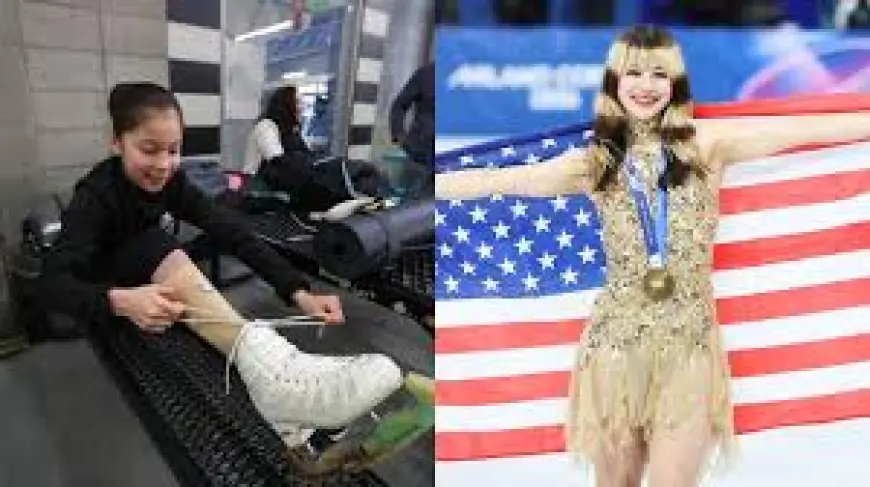
A trio of recent headlines has driven renewed attention to the cultural and generational currents in figure skating. One feature, headlined "A carefree, joyous, gold-medal performance proves it: There’s no one in figure skating like Alysa Liu, " sits alongside a photo essay charting a skater's journey to Olympic gold and an analysis asking why skaters are notably collegial; those items together have pushed familiar names back into the conversation, including kristi yamaguchi.
Development details
The immediate, confirmed developments are three editorial framings: a feature asserting the distinctiveness of a gold-medal performance by Alysa Liu; a photographic account described as tracing a journey from local ice to Olympic gold; and an analytic piece probing the prevalence of friendliness among skaters. These pieces present three complementary angles — celebratory, visual, and reflective — that together shape how the recent victory is being presented to readers.
Kristi Yamaguchi and the lineage question
Coverage that spotlights a single, standout performance has the practical effect of prompting comparisons across eras. Names such as Kristi Yamaguchi are resurfacing in public conversation as touchstones for broader debates about style, personality and legacy. What makes this notable is the way distinct modes of coverage — narrative feature, curated photography, and cultural analysis — converge to frame not just a victory but its meaning within the sport’s ongoing story.
Context and pressure points
The three headlines together reflect a pair of pressures shaping contemporary coverage of figure skating: the appetite for personality-driven storytelling and a demand for explanatory context. A feature that describes a performance as "carefree" and "joyous" steers attention toward demeanor as much as technical achievement. A photo package that foregrounds a skater's journey emphasizes imagery and origin. An analysis about skaters' niceness reframes competitive outcomes through the lens of interpersonal dynamics. Those editorial choices create pressure on how athletes are presented and understood, and they encourage audiences to weigh character alongside craft.
Immediate impact
The immediate impact is discursive: these pieces have shifted public focus from isolated results to broader narratives about who skaters are and what their wins mean. That shift affects multiple stakeholders. For athletes, the frame alters how performances are read—less as raw scores and more as public statements. For commentators and fans, the new mix of celebratory prose, visual storytelling, and cultural analysis supplies vocabulary for debate. For the sport’s institutions and sponsors, the changing conversation shapes which elements of a skater’s story are amplified.
Forward outlook
The confirmed milestones now visible are the existing feature, the photo essay chronicling a path to an Olympic medal, and the analytic piece questioning the community norms of the sport. Those published items establish the current media arc: a single gold-medal performance has become a catalyst for deeper narrative and retrospective inquiry. Observers can expect coverage to continue exploring that arc by re-examining past figures, highlighting journeys, and interrogating cultural patterns—discourses in which names such as Kristi Yamaguchi will likely recur as points of reference. The matter remains grounded in these published pieces; future turns in the conversation will build on the same mix of profile, imagery, and analysis already in circulation.
What emerges from this cluster of coverage is a clear editorial lesson: a memorable performance does more than win medals — it reshapes the stories a sport tells about itself.