














Gus Kenworthy says 'I'm on right side' after death threats over anti-ICE post as final Olympic run nears

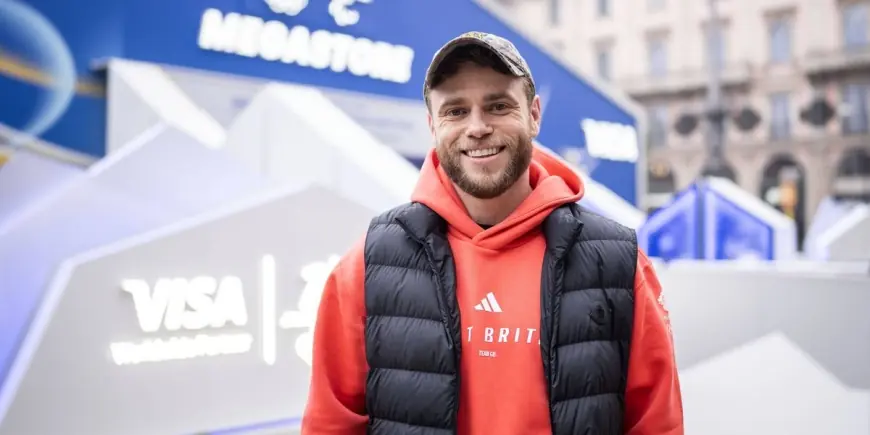
Gus Kenworthy, competing at his fourth Winter Olympics for Team GB, says he has taken death threats "with a grain of salt" after sharing a graphic post about Immigration and Customs Enforcement while preparing to compete in Italy. The incident has intersected with his late-career comeback as he heads into a halfpipe final for which he qualified ninth.
What happened and what’s new
Kenworthy posted an image on social media in which the letters identifying Immigration and Customs Enforcement were preceded by an expletive, doing so about a week before he was due to compete at the Games in Italy. He said the threats he received in response were violent and homophobic but that he tried to take them with a grain of salt.
His post came amid heightened public anger after two Minnesota residents were killed by immigration officers earlier this year, an episode that sparked protests across the United States. Kenworthy, who was born in Chelmsford and grew up in the United States, won an Olympic silver medal in slopestyle in 2014 and switched allegiance to compete for Great Britain in 2019.
Having retired after the 2022 Games, Kenworthy announced a comeback last year and later qualified for the British team. He qualified ninth in the halfpipe qualifiers with a score of 81. 25 points and will compete in the event's final. He has said he had to finance his return privately because national athlete funding had already been allocated.
Gus Kenworthy: Behind the headline
Two strands of Kenworthy's public profile converge here: his status as an internationally known athlete with a recent return to elite competition, and his activism on social and political topics. The social-media post and the strong reactions it drew are set against a backdrop of contentious immigration-enforcement actions and public protests earlier this year.
Key stakeholders include Kenworthy himself; the organizing and funding bodies responsible for his place on the British team; fellow athletes and competitors; protesters and critics of immigration enforcement; and audiences watching the Winter Games. Kenworthy's decision to return to competition after a retirement and to self-fund that return places additional personal and financial pressure on him during an already high-stakes moment.
What we still don’t know
- Whether law enforcement or event security has taken specific measures in response to the threats Kenworthy described (unconfirmed).
- Details about the source or authorship of the threats beyond Kenworthy's public comments (unconfirmed).
- Exact financial figures for how Kenworthy financed his comeback and what ongoing funding arrangements, if any, exist (unconfirmed).
- Final placement and performance details for Kenworthy in the halfpipe final (pending outcome).
What happens next
- Competition outcome: Kenworthy competes in the halfpipe final; his results will close the immediate athletic chapter and shape short-term attention on his activism depending on his placement.
- Security response: If threats persist or escalate, additional protective measures could be implemented around Kenworthy or at event venues (trigger: further threats or credible claims of danger).
- Public debate: The intersection of athlete expression and immigration enforcement may prompt renewed discussion among fans and commentators (trigger: follow-on posts or official statements about the enforcement actions that sparked protests).
- Funding scrutiny: The spotlight on Kenworthy's self-funded return could spur questions about athlete support systems and allocation of national sports funding (trigger: more athletes citing similar constraints or public inquiries into funding policies).
Why it matters
The episode highlights how elite athletes' political expressions can generate immediate personal risk and broader public reaction, particularly when tied to contentious law-enforcement actions. For Kenworthy, an openly gay athlete with a high-profile comeback, the threats complicate an already fraught return to competition and underscore disparities in athlete funding that forced him to self-finance his bid to rejoin the Olympic field.
Near-term, the situation affects athlete safety, the tenor of conversation around immigration enforcement at an international sporting event, and perceptions of who bears the costs of returning to elite sport. Longer-term, it may influence how teams and federations manage athlete activism, security, and financial support for late-career comebacks.
As Kenworthy readies for the halfpipe final, attention will center on his performance in the moment and on whether the threats prompt a tangible security or policy response in the days that follow.