






















Alysa Liu ends 24-year U.S. Olympic gold drought — how American women's figure skating shifts after a comeback win

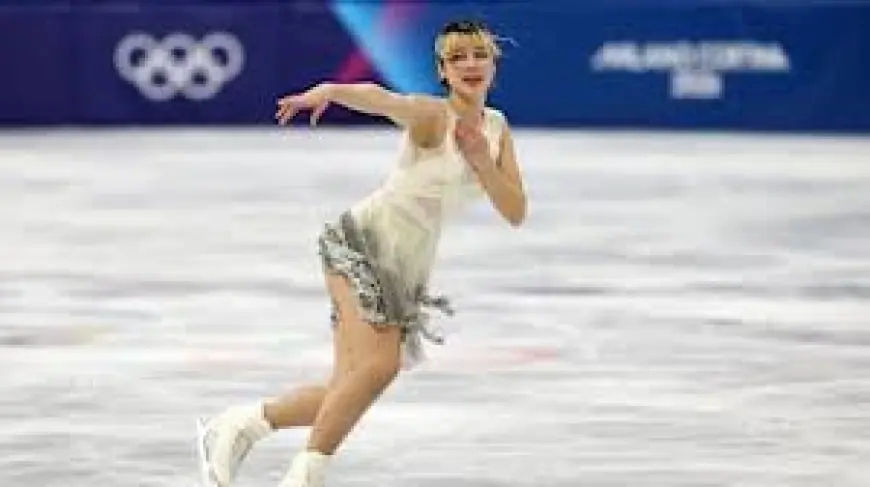
Why this matters now: For a program that hadn’t claimed an individual Olympic women’s gold in more than two decades, alyssa liu’s victory instantly alters expectations for athlete development, selection and public attention. Fans and national teams feel the ripple first — funding conversations and rivalries will be reframed around the standard she set with a career-best long program and a high-scoring finish.
Immediate impact: who absorbs the change and why it matters
The win puts renewed spotlight on U. S. women’s figure skating programs and raises the bar for international rivals who had been shaping podium forecasts. The upset also interrupted a potential sweep of medals by one country, changing the narrative for that nation’s depth and for athletes who finished near the top. Here’s the part that matters: selection committees and training teams now have a recent Olympic benchmark that will influence strategy and athlete planning.
Event details: Alysa Liu’s comeback performance and final results
The short summary of the performance run: Alysa Liu delivered a near-flawless free skate that included seven clean triple jumps, three of them in combination, and completed the long program with a total score of 226. 79 points. That finish overtook two strong Japanese skaters — Kaori Sakamoto (224. 90) and Ami Nakai (219. 16) — who took silver and bronze respectively. The result also denied Japan a sweep of the women’s singles medals.
Background elements directly tied to the win: the champion had stepped away from the sport earlier and returned with the stated goal of rediscovering joy in competition; this victory followed a team event gold earlier in the Games, making the individual title the capstone of a successful comeback. The short-program leader before the free skate did not hold the top spot after the long program, reshuffling expectations from the earlier segment.
- Winner: Alysa Liu — final combined score 226. 79.
- Silver: Kaori Sakamoto — final combined score 224. 90.
- Bronze: Ami Nakai — final combined score 219. 16.
- Notable: Liu landed all seven of her triple jumps in the long program, including three in combination, and performed to a high-energy musical choice.
It’s easy to overlook, but the psychological effect of returning from a multi-year break and delivering under Olympic pressure is a significant signal for athlete management—this isn’t only a technical achievement, it’s a program-level case study in recovery and peak timing.
Key takeaways:
- The United States now has its first individual Olympic women’s figure skating gold in 24 years, resetting expectations for national programs and media attention.
- One country’s potential medal sweep was interrupted, which will affect how rivals assess depth and podium strategies going forward.
- Athlete comeback narratives will gain traction in selection conversations; this performance will be cited when judging readiness after time away.
- Technical consistency under pressure—clean triples and combinations—was decisive; future training may prioritize competitive reliability over experimental upgrades.
The real question now is whether this result will trigger immediate changes in coaching emphasis, federation decisions, or athlete scheduling in the months ahead. Early signs to monitor include team announcements, program music and jump content choices in upcoming competitions, which will reveal how competitors respond.
Micro timeline (verified elements embedded in coverage):
- Liu returned to competition after a multi-year absence and had earlier secured a team-event Olympic gold during these Games.
- She delivered a career-best long program during the individual women’s event, earning the winning combined score of 226. 79.
- The podium after the long program placed Kaori Sakamoto second and Ami Nakai third, denying a sweep by one national team.
What’s easy to miss is how this single performance rewires short-term narratives: national programs now have a living example of a successful return that mixes technical polish with competitive timing. That will shape coaching conversations and athlete road maps in measurable ways.