















Adam Peaty family feud surfaces in Gordon Ramsay’s new series as engagement footage and wedding ban draw attention

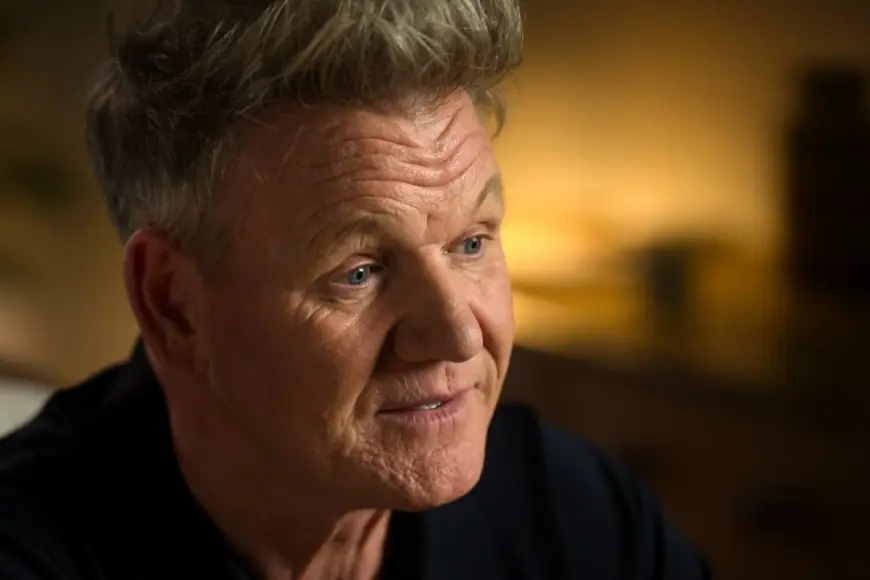
The new six-part series Being Gordon Ramsay has placed the spotlight on Adam Peaty’s ongoing family dispute, showing engagement-party scenes and prompting fresh scrutiny after reports that his parents were not invited to his wedding. The footage and subsequent claims matter because they both document intimate family moments and raise questions about consent and boundaries around private events filmed for broadcast.
Engagement night scenes and family reactions
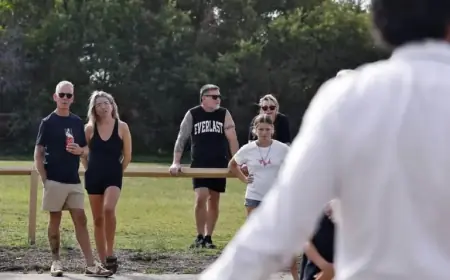
The series, which dropped this week, includes footage from an engagement party that shows members of the wider family present during speeches and interactions. In the episode, Gordon Ramsay made remarks emphasizing the importance of the family people build around themselves. Caroline, Adam Peaty’s mother, was shown watching those moments and later embracing Holly, the swimmer’s partner.
Those scenes are the first on-screen glimpses of strain reported elsewhere as having existed behind the scenes, moving what had been private friction into a public medium through the documentary footage.
Adam Peaty’s wedding ban and the public rift
The coverage connected to the series has renewed attention on the fact that Adam Peaty, 31, and Holly, 26, reportedly fell out with members of his extended family after months of behind-the-scenes feuding. The dispute has been described as severe enough that his mother Caroline and his father Mark were banned from his recent wedding to Holly.
The combination of an excluded immediate family at a wedding and visible emotional moments at an engagement event in the series has created a narrative of a fractured family presented across two different personal milestones.
Filming consent questions, personal remarks and unresolved points
Alongside the footage, there are claims that Caroline wrote to Netflix expressing that the family was not asked for consent to be filmed at the engagement event. That claim dates back to a December statement and remains an unconfirmed point of contention in the story as presented in the series.
Tana Ramsay has shared recollections of her first meeting with Caroline, praising Adam and describing him as emotional and vulnerable in certain areas while also saying he was well suited to Holly. Those comments in the material emphasize personal character assessments that have become part of the public discussion around the family rift.
Missing details that remain important to clarify:
- Whether formal consent was obtained from Caroline, Mark or other family members before filming at the engagement event.
- The specific reasons and timeline for the decision to ban Caroline and Mark from the wedding.
- How Adam Peaty and other immediate family members have publicly responded to the footage and the consent claim.
- Whether any discussions or mediation between the parties have taken place since the wedding and the engagement footage was filmed.
Possible next steps and scenarios
Several realistic outcomes could follow as the situation develops:
- Formal clarification from the series distributors about consent practices for the engagement filming, which would be triggered by official inquiries or public pressure.
- Private reconciliation efforts within the family that could lead to a public statement if an agreement is reached, prompted by direct outreach between the parties.
- Further public commentary from people shown in the footage, which could escalate attention if additional details or grievances are shared.
- No further public development, leaving the engagement footage and wedding exclusion as the primary public record of the dispute.
Why this matters now
The combination of a high-profile personal celebration, a widely distributed documentary series, and claims about filming consent elevates what might otherwise be a private family dispute into a matter of public interest. For viewers, the footage changes private moments into shared ones; for the family, it raises questions about privacy, consent and how personal conflicts are mediated when they intersect with broadcast media.
At present, key elements remain unconfirmed and timing for additional statements or clarifications is not known. The story will be one to watch for any authoritative responses that address the outstanding questions about consent and the path forward for the family involved.