






















Olympic Hockey Overtime Rules Shift Ends Shootout in Gold Medal Game

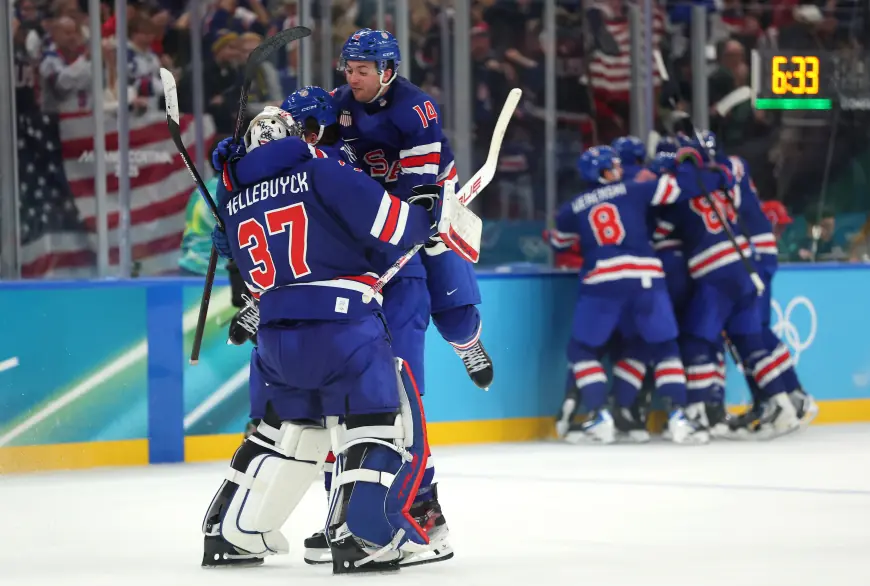
Olympic Hockey Overtime Rules now eliminate the shootout in the gold-medal game, replacing it with full 20-minute three-on-three sudden-death periods until a golden goal decides the champion.
Olympic Hockey Overtime Rules: How formats differ by stage
The IIHF has reworked overtime across the tournament. In the preliminary round, games that go beyond regulation play five minutes of sudden-death three-on-three hockey, followed by a five-round shootout if still tied. Examples from earlier rounds include a men’s preliminary overtime where Switzerland beat Czechia 4-3, and two women’s games that extended past regulation: Germany’s 2-1 overtime win over France and Switzerland’s 4-3 shootout win over Czechia.
In the knockout stage the sudden-death three-on-three window expands to 10 minutes; if no goal is scored teams proceed to a five-round shootout. The Olympics also allow teams to reuse the same shooter after the fifth round, a departure from the men’s rules in the NHL. For the gold-medal game, the biggest change is the removal of the shootout entirely — teams will play 20-minute three-on-three sudden-death periods until someone scores, guaranteeing a golden-goal finish.
Quarterfinal mayhem and immediate consequences for contenders
Wednesday’s quarterfinal slate produced extraordinary late drama: three of four men’s quarterfinals required overtime, with late equalizers and tense finishes propelling Slovakia, Finland, Canada and the United States into the semifinals. Slovakia steamrolled Germany 6-2 in its quarterfinal and will meet the United States in the semifinals. Canada escaped a scare from Czechia before advancing to face Finland, and Finland’s comeback — capped when Artturi Lehkonen went bar down to force extra time — sent the defending champions through. The United States needed a late response against Sweden, with Quinn Hughes creating the decisive play to move on to a semifinal showdown with Slovakia.
Beyond the results, the day brought a significant injury storyline that could shape the rest of the tournament and have ripple effects back on club teams. A leading Canadian forward left his quarterfinal in the second period with a lower-body injury after a hit from a Czechia defender and did not return. That development is expected to dominate attention as teams prepare for the semifinals and as rosters adjust in the near term.
What teams and fans should expect next
With the gold-medal game now guaranteed to end by sudden-death play rather than a shootout, strategizing around three-on-three tactics grows more important. Coaches will weigh line deployment and endgame matchups differently knowing that a championship can be decided in continuous 20-minute three-on-three overtime. In the knockout rounds the mix of a 10-minute three-on-three window followed by a shootout — where shooter reuse is permitted after five rounds — creates distinct scenarios from domestic league overtime formats.
The recent spate of overtime thrillers and the new permanent path to a golden goal in the final make the remainder of the tournament especially volatile: teams advancing on late goals or surviving extended play now face a postseason landscape defined by sudden-death skill, endurance and the potential for long, uninterrupted overtime in the ultimate game.