























Nikita Filippov Secures Silver as Skimo Makes Chaotic Olympic Debut

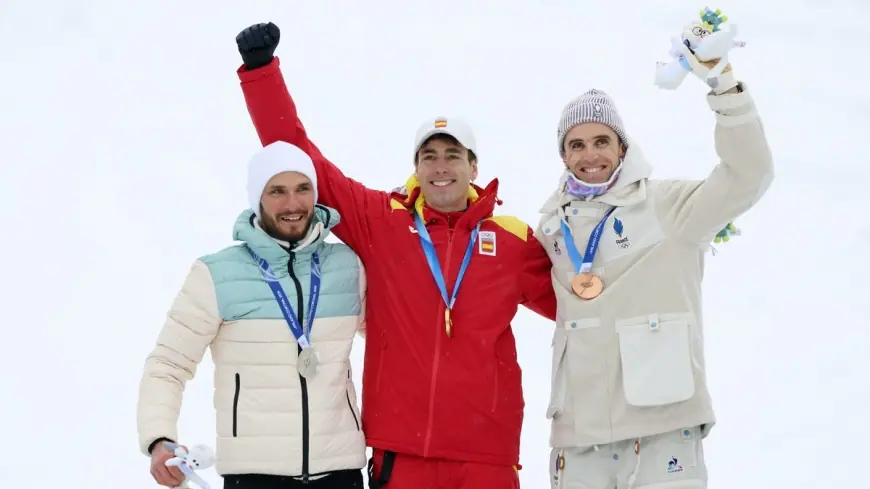
Nikita Filippov won silver in the men's ski mountaineering sprint as the discipline made its Winter Olympic debut, becoming the first athlete competing under the Individual And Neutral (AIN) banner to earn a medal. The result unfolded amid heavy snow and race-day turmoil that marked the sport’s dramatic introduction to the Games.
Nikita Filippov: A silver that made history for AIN
Filippov placed second in the men’s sprint and took silver at the event held in Italy on Feb. 29 (ET). He finished 1. 32 seconds behind the gold medallist, Oriol Cardona Coll of Spain, with France’s Thibault Anselmet claiming bronze. That podium placed Filippov as the first individual neutral athlete to win a medal at these Games — the inaugural medal for competitors represented by the AIN acronym.
Competing as a neutral came after the International Olympic Committee’s ban on Russia and Belarus that affected the most recent Summer Games and these Games. Individual athletes were able to participate only after being screened and cleared by an IOC committee. Athletes under the AIN banner are subject to restrictions: they were not permitted to participate in the opening ceremony, and no national flags, banners or anthems were allowed at the Games.
After the race, Filippov acknowledged the pride he feels in reaching an Olympic dream and also expressed a wish he had been able to wear his country’s colours. The reaction back home was swift: the medal prompted a national recognition when the country’s sports minister awarded Filippov the title of honoured master of sports.
Debut drama: snow, stairs and a sprint-format mayhem
The skimo sprint delivered on its promise of chaos. The event, described by some as snow’s answer to triathlon, combines intense uphill skiing, carrying skis in a rucksack, a run up a 40m staircase, further uphill sections, a binding change and a downhill dash to the finish. It was staged in unrelenting snowfall that compounded the physical and technical demands on competitors and added to the day’s controversy.
Observers noted the sport’s harking back to an earlier era of mountaineering and backcountry travel. The debut heat showcased how quickly fortunes can change in a format that runs in about three minutes but leaves little margin for error. Athletes emphasized the exhausting, full-body toll of the sprint: lungs, chest and leg muscles are tested to extremes in short order.
Broader implications and lingering tensions
Filippov’s podium finish highlights several strands at once: the arrival of skimo as a fast, spectator-friendly Olympic event; the complex status of athletes competing under the AIN designation; and the political sensitivities that still surround national representation at the Games. The silver was notable not only for its sporting merit but for its symbolic weight as the first medal earned by an athlete competing under the Individual And Neutral designation at these Games.
The debut left organizers, athletes and spectators parsing the outcomes — athletic, logistical and political — as the Games move forward. For many, the sprint provided a vivid introduction to skimo’s intensity; for others, it underscored how international sport continues to intersect with broader geopolitical decisions that shape who stands on the podium and under what banner.