






















2026 winter olympics women's single skating free skating: Nakai leads, Liu and Sakamoto set up dramatic medal battle

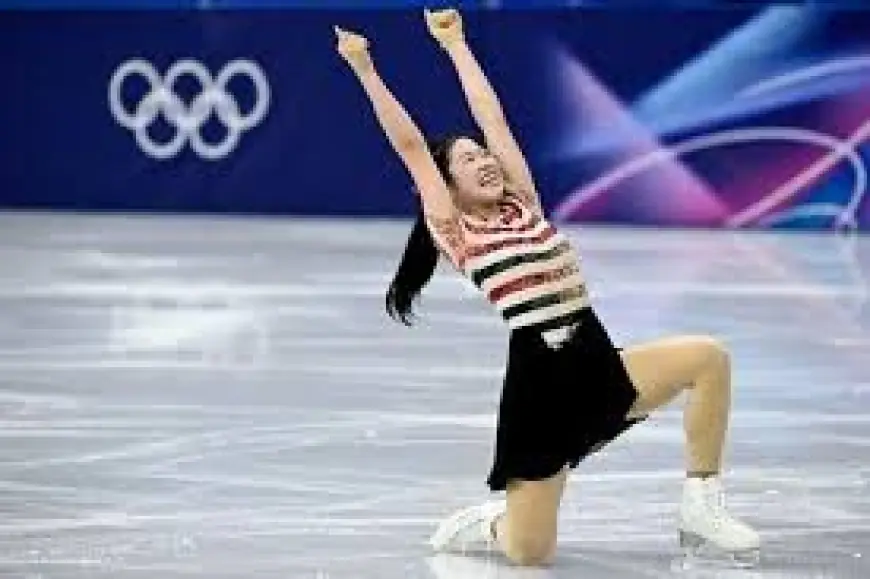
The women's single skating free skating at the 2026 Winter Olympics has been transformed into a must-see finale after 17-year-old Ami Nakai stunned the field to top the short program. The free skate, set for Thursday, February 19 (ET), will decide whether Japan completes a dominant run in figure skating or if the reigning world champion can climb back for Olympic gold.
Nakai's breakout: youngest frontrunner storms short program
Nakai, the youngest competitor in the women's event, produced a high-energy short program that combined technical precision with charisma, punching the air and smiling broadly as she left the ice. Despite being a debutant on the world tour this season and entering the Games with a season-best of 78. 00, she executed a performance that elevated her from relative anonymity to outright contender.
Lower world ranking meant Nakai skated 18th of 29 in the short, well before many of the sport's biggest names. Coming from the middle of the order to lead the field draws comparisons with other surprise ascents seen in ice dance and pairs earlier in these Games. Her showing underscores how the increase in the minimum age for competitors to 17 has not eliminated youthful breakout stars; it has simply shifted when and how they arrive on the Olympic stage.
Liu and Sakamoto: experience, resilience and contrasting stories
Behind Nakai, the podium picture is packed with storylines. The reigning world champion arrives in third place overall and carries the experience and risk-taking that put her atop recent world championships. Her return to elite skating followed a period away from the sport and a personal bid to control her career; she has emphasized enjoyment and autonomy over stringent external management, and has brought a refreshed presence to competition week.
In second place stands Kaori Sakamoto, a 25-year-old veteran skating in her final season. Sakamoto has been the dominant force in women's skating since 2022, collecting three consecutive world titles and rewriting Japanese figure skating history. Her short-program choice — a poignant piece that resonated with the crowd — signalled the personal significance of these Games. For Sakamoto, the free skate is both an Olympic medal opportunity and the final competitive act of a remarkable career.
All three Japanese skaters have reasons to be optimistic. The country has already collected medals across the figure skating events at these Games, and a podium sweep in the women's competition is a realistic possibility if current form holds.
What to expect in the free skate and what's at stake
The free skate will demand endurance, clean jumping content and emotional control, particularly for younger skaters like Nakai who must navigate the pressure of an Olympic finale. For the more seasoned contenders, the challenge is to balance technical ambition with consistency: a flawless program can vault a skater up the standings, while an error can be costly in this tightly packed field.
Japan's broad strength in singles and pairs has already reshaped the medals table in figure skating at these Games, and the women's free skate could cap that run. If Nakai keeps her momentum, she could secure a historic Olympic result; if Sakamoto or the reigning world champion produce polished free skates, they could reclaim top positions and deny a youthful upset. Beyond national pride and career-defining outcomes, Thursday's free skate promises intense drama, with medals and legacies poised to be decided in a single, high-stakes program.
The free skate will take place Thursday, February 19 (ET). The skating world will be watching to see whether experience or breakout youth writes the final chapter of this compelling Olympic event.