






















Wuthering Heights movie sees renewed interest as restored 2011 adaptation returns to screens

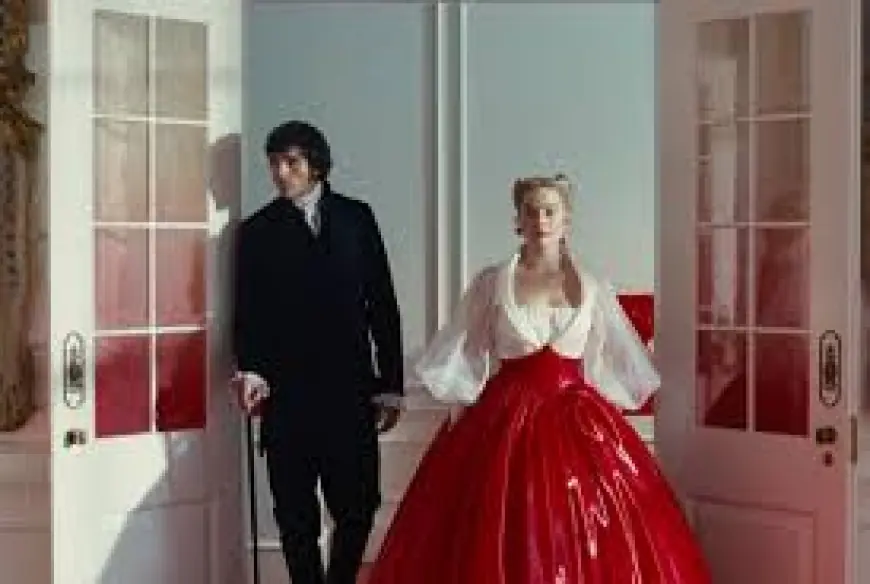
The 2011 Wuthering Heights movie directed by Andrea Arnold has re-emerged in cinemas and festivals this spring after a new restoration, prompting fresh discussion about the director's stark reimagining of Emily Brontë's novel. The re-release is bringing the film back into the cultural conversation, with critics and audiences revisiting its visceral approach to the doomed love story of Heathcliff and Catherine.
Restoration brings raw, naturalistic vision back to the big screen
The restored print of the Wuthering Heights movie is being shown at select theatres and film events, where its grainy cinematography and rugged Yorkshire landscapes read with renewed intensity. The restoration work aimed to preserve the film’s handheld immediacy and natural light palette rather than polish away the textures that drew both praise and controversy when it first premiered. Presentations have included Q& A sessions and archival material to contextualize Arnold’s choices, which emphasized atmosphere and physicality over period drawing-room spectacle.
Screenings have attracted cinephiles and younger viewers encountering this adaptation for the first time. Many commentators note that the film’s pared-back dialogue and focus on bodily expression—particularly from the film’s lead performers—feels contemporary, even rawer in the restored presentation. For some, the re-release underscores how radical the film was against more conventional literary adaptations, while others remain divided over its departures from the novel’s narrative voice.
Debate renewed over faithfulness, performance and cinematic risk
The reappearance of the Wuthering Heights movie has reignited debate about fidelity to source material and the scope of directorial license. Supporters argue the restoration offers a chance to reassess the film on its own terms: a sensory, elemental experience that channels the novel’s bleak moorland moods. Critics counter that the adaptation trims much of the book’s narrative complexity and some character backstory, leaving viewers with impressionistic snapshots rather than full arcs.
Particularly discussed are the performances and casting choices, which remain polarizing. Those who defend the film highlight performances that convey emotion through physicality and silence, while detractors point to the elimination of more traditional expository scenes. The conversation has spilled into social media and commentary panels during festival screenings, where younger critics have praised the film’s willingness to take risks and older viewers debate its reinterpretation of canonical text.
What the comeback might mean for future adaptations
The re-release of the Wuthering Heights movie has prompted industry watchers to speculate whether renewed interest in bold literary adaptations could encourage more avant-garde takes on classics. Film programmers say the restored print’s warm reception at specialized screenings suggests appetite for curatorial revivals that let audiences experience notable works in fresh exhibition contexts.
While there are no confirmed plans for a new mainstream screen adaptation announced alongside the restoration, the conversation now circulating around this Wuthering Heights movie underscores a broader appetite for reinterpretation. Directors and producers looking to revisit 19th-century material may view the restoration’s buzz as evidence that audiences will engage with riskier, less literal translations of beloved books.
For now, the restored Wuthering Heights movie offers viewers an opportunity to witness a divisive, uncompromising filmmaking approach on the big screen—and to form their own judgments about how far an adaptation can stray from its literary source while still honoring the novel’s emotional core.