
























Measles surge raises alarm as immunization gaps widen worldwide

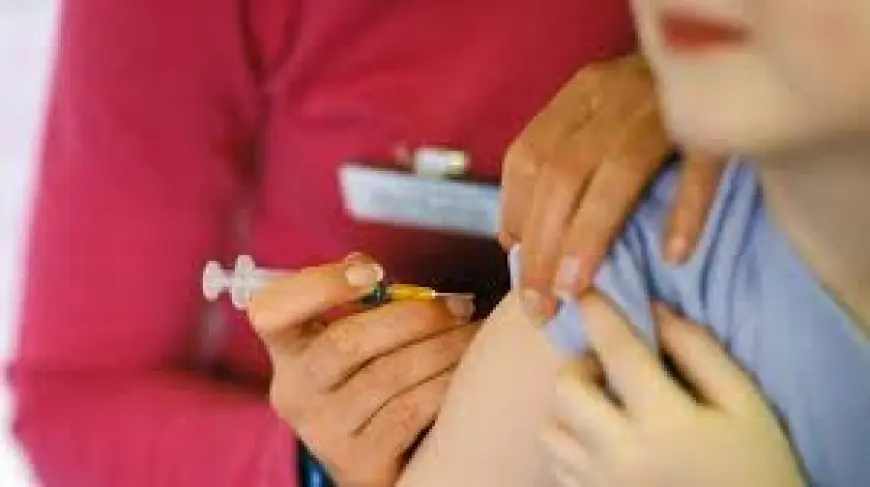
Health officials are sounding the alarm over a renewed rise in measles cases, attributing the surge to widening gaps in routine immunization and growing pockets of susceptible people. The uptick has prompted intensified vaccination drives and renewed warnings for parents and health providers to prioritize MMR shots.
What’s driving the increase
Public health authorities point to several converging factors that have created fertile ground for measles to spread. Routine childhood immunization coverage fell in many countries during the COVID-19 pandemic as health systems diverted resources and families missed well-child visits. That drop left cohorts of children who did not receive the recommended two-dose measles-containing vaccine, creating clusters of susceptible people.
Compounding the problem are localized declines in vaccine uptake tied to access barriers, misinformation, and complacency. Urban centers with dense, mobile populations and regions facing conflict or disruption are particularly vulnerable. Seasonal patterns and the return of international travel after pandemic-related restrictions have also contributed to accelerated transmission in multiple regions.
Public health response and guidance
Authorities have ramped up targeted catch-up campaigns aimed at children and adolescents who missed routine doses. Emergency vaccination clinics and school-based drives are being used to reach under-immunized communities quickly. Health systems are also reinstating surveillance and rapid-response teams to identify and contain outbreaks before they spread widely.
Medical experts emphasize that measles is highly contagious but preventable. For most children and adults, two doses of the measles-containing vaccine provide strong, long-lasting protection. Officials advise caregivers to check immunization records and ensure that children receive both doses on schedule. Older adolescents and adults with unknown vaccination histories are encouraged to receive a dose rather than rely on presumed immunity.
Clinicians are being urged to maintain a high index of suspicion for measles when patients present with fever and rash, and to follow infection-control measures to prevent nosocomial spread. Health facilities are reinstating guidance for rapid isolation of suspected cases and prompt laboratory testing when available.
Hotspots, risks and outlook
Outbreak reports have emerged from a mix of settings: metropolitan areas with low vaccination coverage, regions with disrupted health services, and communities where misinformation has hindered vaccine acceptance. While most cases occur in children, complications can be severe, particularly for infants and people with weakened immune systems; outcomes include pneumonia, encephalitis and, in rare cases, death.
Short-term projections depend heavily on how quickly catch-up vaccination efforts reach unprotected groups. Where campaigns are implemented rapidly and coverage improves, transmission can be curtailed within weeks to months. Where gaps persist, health systems risk prolonged outbreaks that strain pediatric and public health services.
Officials reiterate that measles control is achievable with sustained, high vaccination coverage and strong surveillance. Investment in routine immunization services, community outreach to address hesitancy, and access for displaced and marginalized populations are central to long-term prevention.
For parents and caregivers: check vaccine records, schedule missed doses promptly, and seek medical care for any child with high fever followed by rash. For health providers: prioritize vaccination opportunities at every clinical encounter, ensure rapid reporting of suspected cases, and coordinate with public health teams for outbreak response.
The coming weeks will be critical. Health teams are focused on closing immunity gaps before seasonal factors and increased travel drive further spread, and officials urge community cooperation to prevent more children from becoming infected.