














![Amber Glenn Withdraws From [Event] Citing Injury, Will Miss Upcoming Season — Update](https://www.filmogaz.com/uploads/images/202602/image_430x256_6994eca04b7cd.webp)



Olympic figure skating: Kamila Valieva's Comeback and Surprise Medalists Shake Up Podium

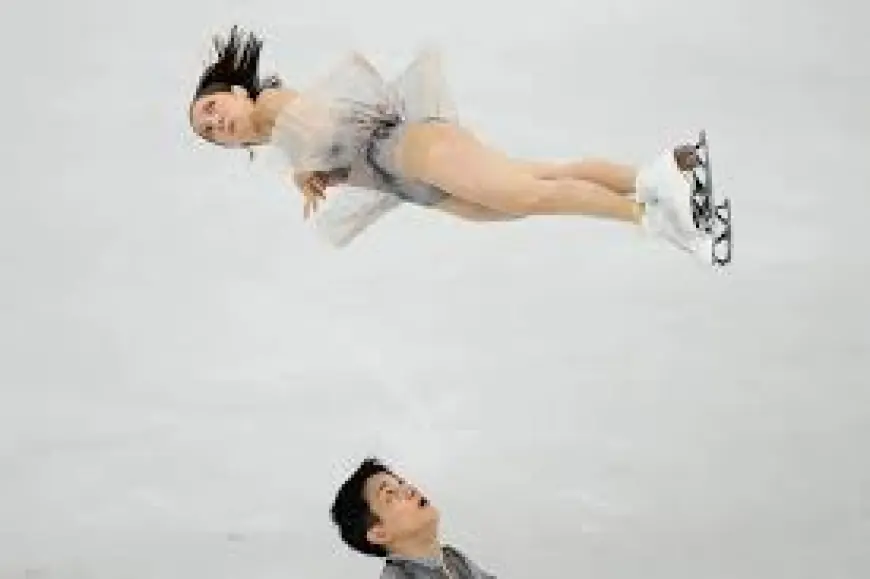
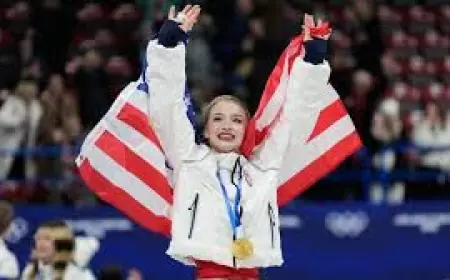
The figure skating competition at the 2026 Winter Olympics in Milan-Cortina delivered drama, redemption and surprise medalists as the short program and free skate rounds reshaped expectations. A returning favorite staged a notable comeback while underdogs capitalized on clean programs, leaving the final podium tighter than many anticipated.
Comeback performance stuns arena
A skater who had faced high-profile setbacks in recent seasons returned to the Olympic ice with a composed, technically demanding free skate that rekindled conversations about resilience in the sport. The program paired clean jump executions with refined components, earning strong scores from the technical and program component panels. Crowd reaction ranged from rapt silence during the most difficult elements to thunderous applause at the final pose. That performance vaulted the skater back into medal contention and underscored how quickly fortunes can change in Olympic figure skating when experience and nerves align.
Clean programs from underdogs create a tight podium
Several skaters outside pre-Games favorites capitalized on the pressure to deliver near-flawless programs. One breakout skater produced two consistent routines that drew praise for skating skills, transitions and musical interpretation, climbing the leaderboard and securing a spot on the podium. Judges rewarded the skater’s clean triples and solid spins, signaling that steadiness can trump high-risk attempts when the arena is unforgiving.
Another surprising medalist combined innovative choreography with excellent speed and edge quality, earning higher component marks than many had forecast. The pair and ice dance fields also saw choreography-driven results: teams with modern, audience-ready programs nudged ahead of technically bolder rivals who struggled with consistency under Olympic pressure.
What this means for the sport
The results in Milan-Cortina emphasize two currents shaping contemporary Olympic figure skating: the premium on consistency and the growing value of artistic cohesion. While triple jumps and quads remain decisive, Olympic judges are clearly rewarding programs that marry difficult elements with sophisticated presentation. The Games this year also highlighted the depth of the field—several nations produced medal-contending skaters who would have been considered longshots only months ago.
For fans and competitors alike, the competition served as a reminder that Olympic figure skating is as much about mental fortitude as it is about athletic prowess. With medals decided by narrow margins, national teams will head into the remainder of the Games and the post-Olympic season reassessing training priorities: balancing technical expansion with the polish necessary to perform under intense scrutiny.
As the final ceremonies approach, the sport leaves Milan-Cortina with fresh narratives—comebacks, breakthroughs and a podium that reflects both evolution in technique and a renewed emphasis on artistry. Those storylines are likely to dominate conversations in skating rinks and training centers long after the Olympic rink ice has been removed.