

















![Amber Glenn Withdraws From [Event] Citing Injury, Will Miss Upcoming Season — Update](https://www.filmogaz.com/uploads/images/202602/image_430x256_6994eca04b7cd.webp)




Winter Olympics curling cheating allegation sparks integrity review ahead of 2026 Games

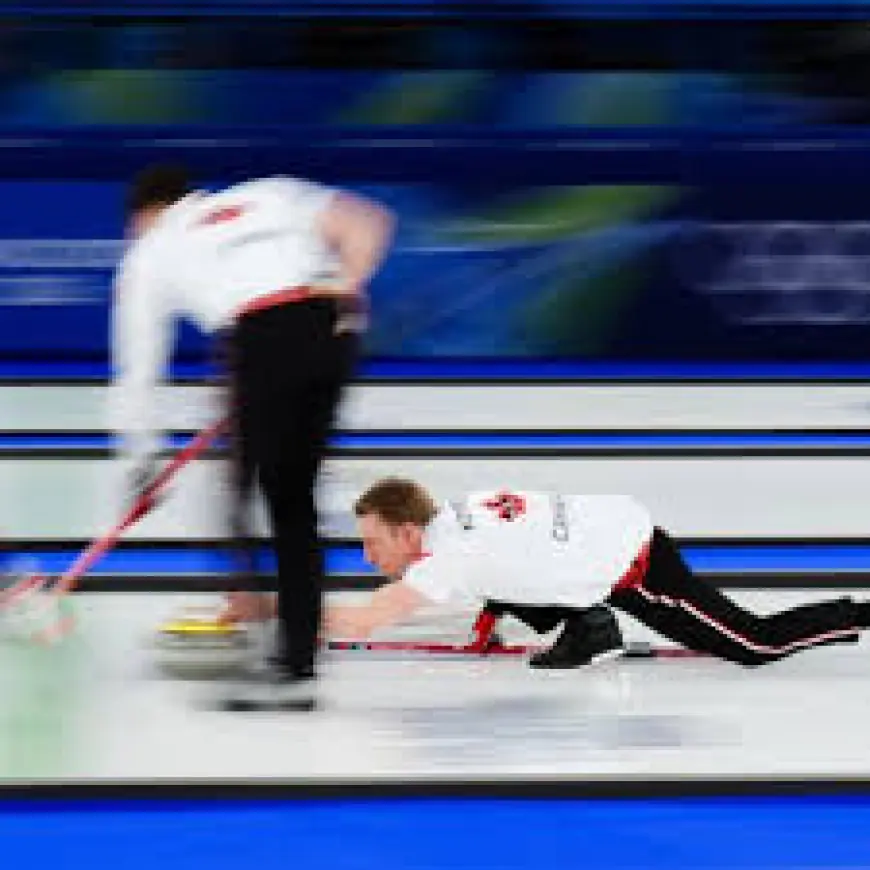
Organizers and governing bodies launched an integrity review this week after a high-profile curling match raised fresh allegations of cheating, intensifying scrutiny of officiating and equipment controls as the Winter Olympics approach. The claim—centered on unusual stone behavior and disputed timekeeping—has forced officials to outline measures they may take to preserve the sport’s reputation.
What happened and why it matters
The allegation emerged following a televised international fixture where commentators and rival teams questioned whether tactics or equipment had altered the natural curl of stones and whether timekeeping procedures were followed consistently. While no formal sanctions have been handed down, footage from the match and interviews with participants prompted governing bodies to open a preliminary review to determine if rules were broken or if loopholes require closure.
Curling’s appeal depends on fairness and precise enforcement: stones must be prepared, delivered and swept under strict regulations, and games rely on accurate timing. Any doubt about those basics damages fan confidence and athlete trust, particularly with the Winter Olympics less than two years away. the review will assess whether existing monitoring systems—camera angles, timing devices and equipment inspections—are sufficient to detect deliberate manipulation.
Responses from officials and athletes
Officials emphasized that an allegation is not a finding of guilt. They pledged a transparent process that could include re-examining game footage, interviewing athletes and technical staff, and inspecting equipment used in the contested match. The governing body signaled it may recommend rule clarifications and tougher pre-match equipment checks if investigations uncover problematic loopholes.
Athletes expressed mixed reactions. Some players called for swift and decisive action to deter cheating, arguing that even perceived irregularities undermine the spirit of competition. Others urged caution, noting that ice conditions and seemingly odd stone movement can arise from subtle environmental factors rather than intentional interference. Several competitors advocated for more advanced technology in officiating—expanded use of high-frame-rate cameras, better sensor data and standardized timing systems—to reduce ambiguity.
Potential reforms and what comes next
Sources within the sport say options under consideration include stricter certification of stones and brooms, mandatory pre-game equipment inspections, enhanced video review protocols and upgrades to timekeeping systems. Officials are also exploring clearer penalties for confirmed violations and educational campaigns to ensure teams understand any updated rules.
Investigators have a limited window to complete their review ahead of the next major international circuit, where teams will test any changes in competitive conditions. If findings confirm intentional misconduct, disciplinary measures could range from fines to suspensions; if the issue proves to be technical or environmental, the focus will shift to procedural safeguards.
For fans and stakeholders, the inquiry underscores how even niche disputes can quickly become headline issues in Olympic sports. Keeping the playing surface level—both literally and figuratively—will be crucial to safeguarding curling’s status on the Olympic program and ensuring the sport enters the 2026 Winter Games without lingering questions about fairness.