
























Lunar New Year 2026: Year of the Fire Horse gallops in across Asia

The Lunar New Year has arrived, ushering in the rare Year of the Fire Horse and a 15-day period of feasting, family ritual and public spectacle across Asia and beyond. The festival, which coincides with the first new moon of the lunar calendar, falls within the annual window between January 21 and February 20 (ET), and communities have mixed traditional offerings with contemporary touches in celebrations from Beijing to Bangkok.
Food, family and symbolic dishes take centre stage
Food remains the focal point of many festivities, with regional specialties offering a window into local customs. In parts of Southeast Asia a lively ritual accompanies a raw fish salad known for its communal tossing: diners must lift and toss the ingredients together with chopsticks to symbolise prosperity and good fortune. Citrus fruits such as mandarin oranges and sticky rice cakes are staples, served and gifted to underline wishes for abundance.
Vietnamese families have set out distinctive offerings for Tet. In the north, bánh chưng — a square glutinous rice cake wrapped in leaves and filled with mung beans and pork — contrasts with the southern cylindrical bánh tét. One particularly resonant offering is a whole boiled chicken, presented intact and often garnished with a red rose in its beak. Its upright presentation, complete with head and feet, stands for unity and completeness, while the red accent reinforces hopes for luck in the new year.
Elsewhere, regional gift choices reflect local tastes: in parts of Southeast Asia a tossed fish salad remains a communal highlight, and in Korea tins of luncheon meat continue to be a popular New Year gift. Across households, menus blend ritual meaning with the simple pleasures of shared meals.
Tradition adapts: simpler rituals and a high-tech twist
Customs are shifting. In South Korea a notable portion of the population has moved toward pared-back observances: recent polling finds a majority opting not to set up the elaborate ancestral charye tables that once dominated the holiday. The move toward simpler gatherings speaks both to changing family dynamics and evolving attitudes toward ritual practice.
At the same time, technological spectacle has become a new thread in celebrations. In parts of China, humanoid robots have been integrated into festival programming, performing in variety shows and even appearing on national gala stages. Start-ups have staged hour-long variety programs featuring robot dance, comedy and music segments, while humanoids have taken centre stage in televised New Year entertainment. The prominence of robots highlights wider national investment in artificial intelligence and robotics and spotlights firms that aim to lead in the global humanoid market.
Not all adaptations are celebratory. Authorities in some places have intensified content oversight during the holiday period, targeting material deemed antisocial; this year that scrutiny included online posts that promote the choice to remain child-free. The combination of cultural celebration and tightened controls has introduced an uneasy counterpoint to otherwise festive public life.
Why the Fire Horse matters this year
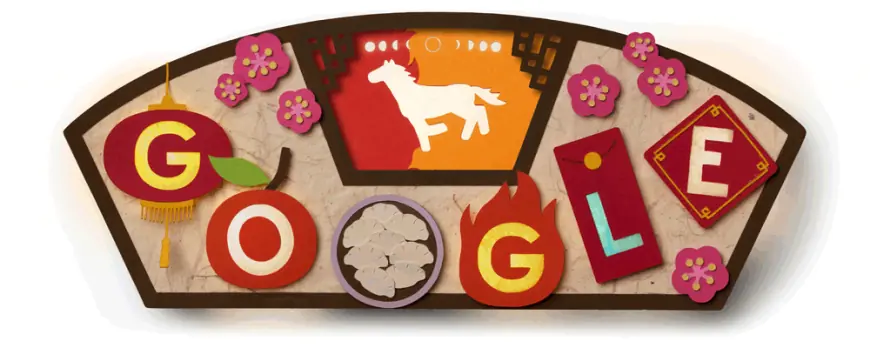
The Fire Horse appears on the zodiac cycle only once every 60 years and carries a reputation for fiercely independent energy. This year's imagery has been emphasised in holiday art and public messaging that cast the year as one of dynamic drive and individual momentum. For many celebrants the Fire Horse symbolizes a fresh push toward ambition and self-determination, a motivator to chase goals and embrace change during a year that is expected to be charged and spirited.
As communities move through the 15 days of celebration, the festival continues to blend age-old ritual with contemporary realities — from pared-back family gatherings to robot performers onstage — all under the hope that the Fire Horse will bring fortune, vitality and new momentum for the months ahead.