






















A Knight of the Seven Kingdoms’ Penultimate Episode Upends Expectations with Dunk’s Trial

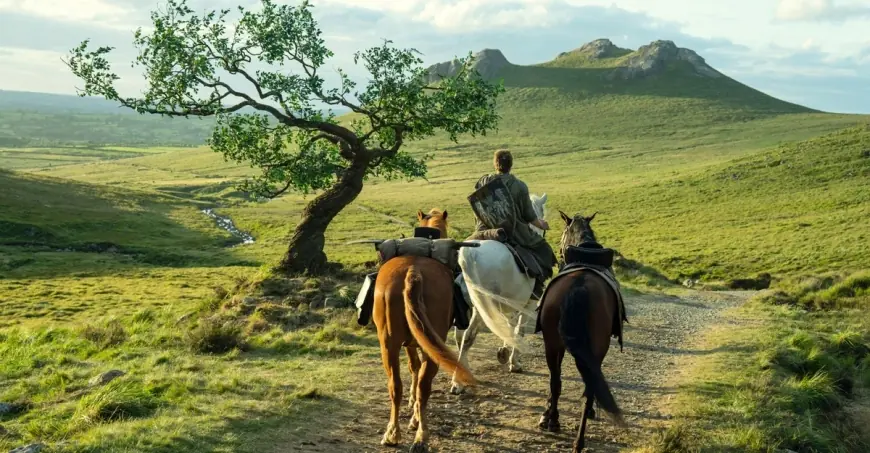
Sunday evening (ET) brought a penultimate installment that recast a staged trial into something messy, intimate and unexpectedly revelatory. What many viewers anticipated as a showcase of armored heroics instead becomes a disorienting, often comic and sometimes devastating portrait of a single man’s origin story — one in which Prince Baelor Targaryen plays a pivotal, unnerving role.
Brutal combat, stripped of grandeur
The episode stages a Trial of Seven that deliberately resists the sweep and grandeur fans may expect. The opening sequence sets a tone of physical humiliation as much as danger: knights retch from fear, armor becomes a claustrophobic prison, and impact takes precedence over spectacle. The sequence favors the sensory confusion of close-quarters combat — the taste of mud, the sting of blood, the narrowing slit of vision through a helm — rather than broad, cinematic tableau.
When the courtroom-turned-arena erupts, the encounter is violent and ugly. Prince Baelor Targaryen arrives as the deciding champion, and his presence immediately tips the balance. The prince’s brutal efficiency is made plain early; a lance and a morningstar dispatch the protagonist with shocking speed. The staging refuses the usual triumphant beats: instead of a slow-building heroism, the sequence gives viewers a raw, destabilizing experience that ends in sudden blackout and a jolt into memory.
Flashback detour that reshapes Dunk’s journey
Rather than linger on the bloody aftermath, the episode detours into an extended flashback that reframes the wounded hedge knight’s life. We are plunged into Flea Bottom’s cramped, grimy world — a place where scavenging a battlefield feels like a path to a possible future. Through this youth-focused lens, the series supplies atmosphere and motive: the scars and habits Dunk carries into adulthood are rooted in deprivation, frightened first loves and a survival instinct honed in the city’s underbelly.
This structural pivot is both narratively economical and tonally daring. By making the battle a trigger for memory, the episode plants emotional stakes in personal history rather than battlefield glory. It also allows the show to broaden its palette: moments of broad, sometimes bawdy humor sit alongside grim but tender scenes of friendship and loss, each informing the other. The result is a richer sense of why Dunk behaves the way he does when he returns to the present — shaken, disoriented and, ultimately, compelled to rise again.
What this means for the series and the franchise
The episode confirms that this series is not interested in repeating an earlier show’s template of sweeping political spectacle. Its gamble is smaller in scope but more curious in tone: it mixes irreverence with visceral realism, and its comic cutaways and grotesque moments become an integral part of character work rather than mere relief. Centering the story on a lowly hedge knight allows the show to probe class, memory and fear in ways that a royal-focused narrative might miss.
Prince Baelor Targaryen’s role here is crucial beyond the immediate violence he inflicts; his arrival and the consequences of the trial force the series to reckon with the costs of mythmaking. The episode’s choice to spend significant time in the past suggests the finale will lean into personal reckonings as much as public spectacle. For viewers who came expecting a conventional heroic crescendo, the episode may feel subversive; for those paying attention to character work, it feels like the season’s most revealing hour.
As the season moves to its conclusion, the show appears poised to finish not with a single pyrotechnic moment but with a quieter, morally complicated reckoning — one that asks what it really means to be made a knight, and what is paid in the making.