

























Rupert Lowe launches Restore Britain, drawing hard-right backers and threatening vote-splitting

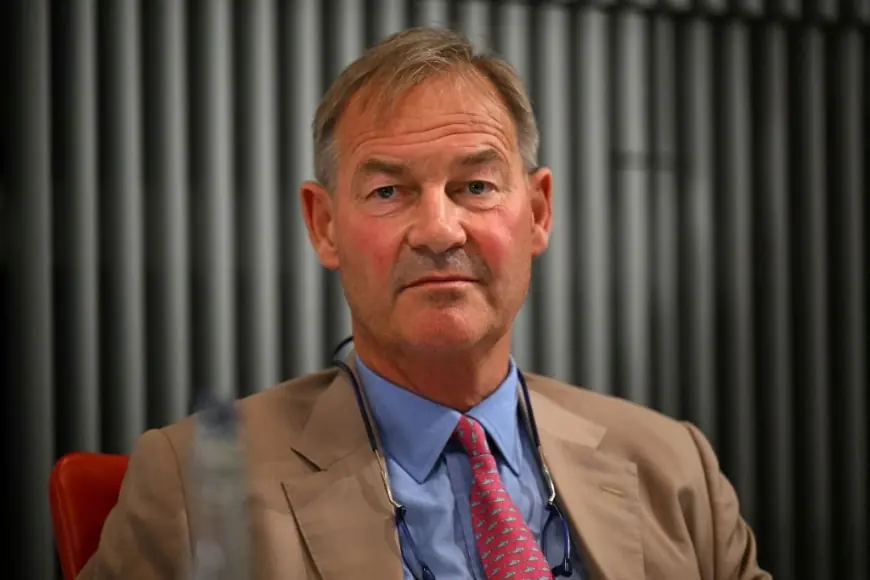
Rupert Lowe launched Restore Britain as a national party on Friday night (ET), turning a local campaign in Great Yarmouth into a wider bid for influence on the right. The move has prompted rapid alignment from more hardline actors on the conservative spectrum and raised fresh concerns that a divided right could hand advantage to larger parties under the first-past-the-post system.
Lowe moves from local rebel to national contender
The former Reform UK MP for Great Yarmouth formalised Restore Britain’s transition from a political movement to an electoral vehicle at a packed launch in a provincial theatre. What began as Great Yarmouth First — a locally branded slate — will now sit under the Restore Britain umbrella as the new party seeks to recruit partner groups and stand candidates beyond Norfolk.
Lowe’s political trajectory has been notable for its volatility. He won his seat in July 2024 but left his former party after high-profile internal disputes and a suspension earlier this year. He now sits as an independent and has signalled he will contest the seat again under his new banner. At the launch he outlined a hardline platform framed around stringent immigration controls and “remigration” rhetoric that is positioned to appeal to voters disillusioned with mainstream conservative options.
Backing, alliances and the rise of fringe influencers
The new party has already attracted endorsements and the prospect of fusion with other right-leaning formations. A rival group on the right, led by a former deputy leader of a national right-wing party, has indicated it would consider a merger, while activist networks and self-styled ethnonationalist influencers rallied visibly at the event and online.
High-profile figures have publicly praised Lowe, and at least one major private backer has amplified his launch on social media, urging supporters to join. That online boost appears to have helped consolidate an activist core of younger right-leaning campaigners who favour more confrontational street tactics and absolute immigration cuts. The new party’s cohort includes a mix of local councillors who will contest county council elections and a cadre of digital-native operators prepared to push the party’s messaging hard on the internet.
Electoral consequences: Split vote risk and pressure on other right parties
Political strategists warn that Restore Britain’s emergence could exacerbate fragmentation on the right. In a country where many constituencies were decided by narrow margins at the last general election, even a modest siphoning of votes could change outcomes in marginal seats. Small challengers on the right risk diluting a shared voter pool and could unintentionally aid larger parties by dividing protest votes.
Restore Britain’s policy emphasis on large-scale deportations and tighter cultural restrictions differentiates it from some other right-leaning parties that have tempered similar proposals as electorally impractical. That sharper posture may win support from a hardline segment but could also force competitors to shift rhetoric rightwards to retain voters, potentially alienating moderate supporters.
For now, Restore Britain’s standing is nascent: it has the trappings of a national project but will need to build infrastructure, local branches and formal registration to mount a sustained challenge. Its success will hinge on converting online momentum into organised campaigning and on whether allied groups bring meaningful resources and manpower into a formal coalition.
The launch marks a new chapter in the evolving landscape of right-leaning politics, where fragmentation and personality-driven projects continue to reshape the electoral map. How effectively Restore Britain can translate its combative messaging into votes, and whether it ultimately consolidates or splinters the hard-right constituency, will be decisive ahead of the next nationwide contest.