

























World Curling Eases Scrutiny on Olympic Match Surveillance

The recent curling events at the Winter Olympics have sparked considerable debate regarding match surveillance and officiating. This controversy unfolded in Cortina d’Ampezzo, Italy, where the sport’s governing body, World Curling, faced scrutiny over its enforcement of rules.
World Curling Adjusts Match Surveillance Policy
Initially, World Curling implemented stricter monitoring of matches. This decision was made following an incident involving Swedish curler Oskar Eriksson and Canadian Marc Kennedy. Eriksson accused Kennedy of a rule breach after he touched the rock post-release, which led to heightened tensions within the sport.
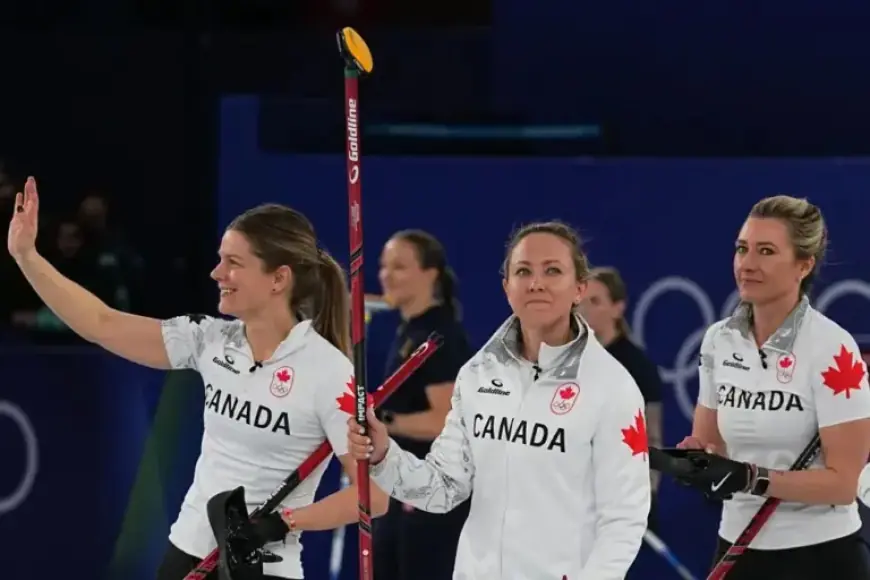
Despite being in the middle of the Olympic round-robin competitions, World Curling decided to enhance officiating. Two umpires were assigned to observe the hog line closely, a critical point in curling where players must release the stone. Within a short span, infraction calls increased, leading to two double-touch violations. Canadian Rachel Homan and British Bobby Lammie had their stones disqualified from play.
Players and Coaches Respond to Increased Scrutiny
The swift implementation of tighter controls prompted a backlash from players and coaches alike. Many athletes expressed their discontent, arguing that the scrutiny was excessive. Nolan Thiessen, CEO of Curling Canada, noted the desire to maintain the sport’s integrity while balancing modern competition dynamics.
By Sunday afternoon, the feedback from athletes led World Curling to retreat from its initial stance. The governing body decided that umpires would be available upon request rather than actively monitoring every match. Emma Miskew of Canada remarked that the situation highlighted the difficult balance between officiating and player satisfaction.
The Debate on Rule Violations
Curiously, many athletes took a stand against the severity of the regulations surrounding double-touches, stating that such instances are common and often incidental. Rachel Homan asserted that a hog line violation should not be equated with cheating. Alina Paetz of Switzerland echoed this sentiment, questioning why the situation was magnified beyond what it deserved.
- World Curling’s enhanced monitoring policy led to increased rule enforcement.
- Two curler incidents resulted in double-touch violations during the Olympics.
- Athletes advocated for a more lenient approach regarding minor infractions.
In conclusion, the controversy surrounding Olympic curling reflects broader themes of integrity, self-regulation, and the balance between tradition and professional scrutiny. As the games progress, the sport’s governing body seeks to navigate these challenges while promoting a fair and equitable competition.