






















Rising H-1B Visa Debate Fuels Racism Against South Asians

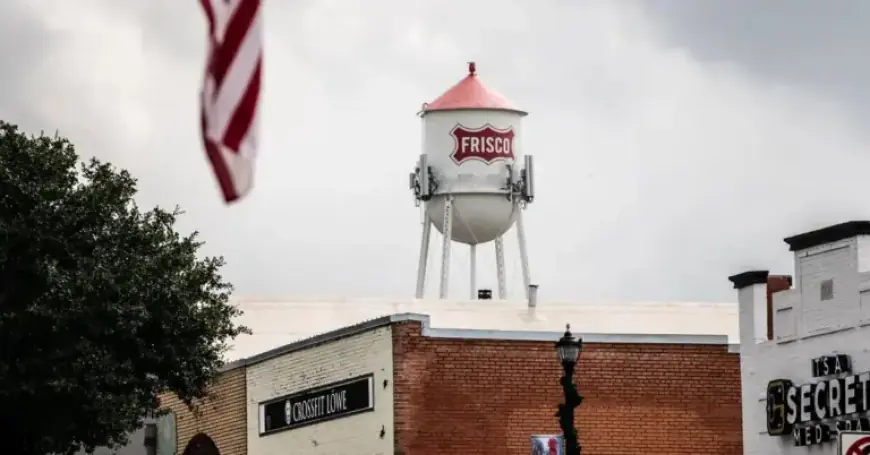
Recent tensions in Frisco, Texas, highlight a contentious debate surrounding the H-1B visa program, fueling racism against South Asians. A recent City Council meeting became a platform for heated speeches against the visa, with some residents alleging an “Indian takeover” of the community. Frisco’s growing South Asian population, which makes up one-third of the suburb’s demographics, has become the target of escalating anti-immigrant rhetoric.
Overview of the H-1B Visa Program
The H-1B visa program, established in 1990, allows the U.S. to grant 85,000 visas annually to foreign workers in specialized fields. In 2023, approximately three-quarters of the total 400,000 approved applications were for Indian nationals, per Pew Research Center. This program is vital for sectors like technology and healthcare, as it helps address workforce shortages.
Local Reactions
- Jeff Cheney, the Mayor of Frisco, labeled many dissenting voices at the meeting as “outside agitators.”
- Opponents cited concerns over job losses and wage suppression, igniting fear within the South Asian community.
- Some public testimonies invoked conspiracy theories claiming Western elites are conspiring to disempower American citizens.
Impact of Racist Rhetoric
The recent backlash has not only arisen from local residents but is also reflective of a broader national trend. Reports from Stop AAPI Hate indicate that the use of anti-South Asian slurs surged by 115% from January 2023 to December 2025. Social media narratives have begun associating South Asians with negative stereotypes, echoing historical discrimination faced by immigrant communities.
Broader Context
Figures like Vivek Ramaswamy and Dinesh D’Souza have voiced concerns about increasing hate speech using digital platforms. The narrative around a so-called great replacement theory has found new targets in Indian immigrants, where fears of cultural dilution have been amplified.
Historical Parallels
The ongoing racial tensions draw parallels to early 20th-century xenophobia against Indian laborers in the U.S. These fears culminated in restrictive immigration laws, such as the Asiatic Barred Zone Act of 1917, during a time of economic uncertainty and job competition.
Community Perspectives
- Local South Asians express anxiety over their safety and community standing amid rising tensions.
- Residents like Sunitha Cheruvu urge that they contribute positively to American society and that discrimination against them is baseless.
- Community events celebrating Indian culture reflect a desire to integrate and coexist rather than be viewed as outsiders.
Conclusion
The H-1B visa debate in Frisco underscores how economic discussions can inadvertently legitimize harmful stereotypes. The Indian and South Asian communities continue to advocate for their place in American society despite facing increasing hostility. It is crucial for both residents and policymakers to foster a dialogue aimed at reducing tensions and building inclusivity within rapidly changing demographics.