
























Samsung Boldly Redefines Galaxy S26, Risking Smartphone Convention

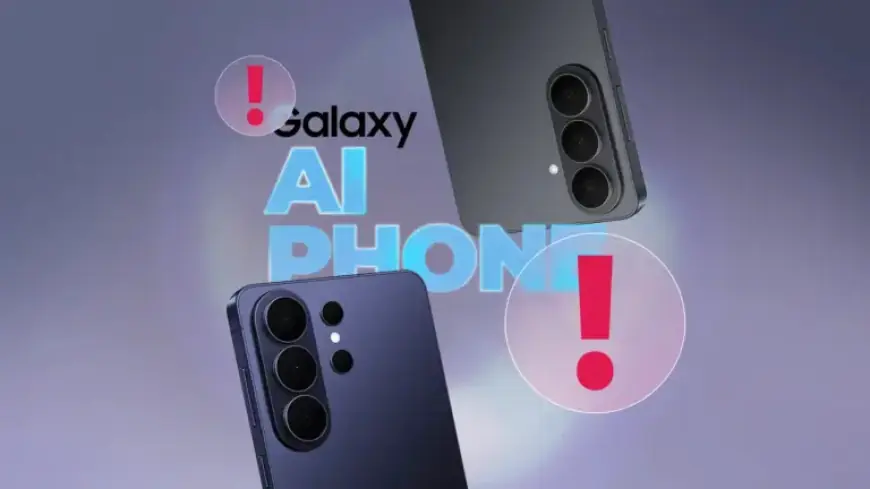
Samsung is set to transform the smartphone landscape with its upcoming release: the Galaxy S26. Scheduled for announcement during Galaxy Unpacked on February 25, 2026, the focus is squarely on artificial intelligence (AI). With their new campaign, Samsung aims to transition from conventional smartphones to what they term “AI phones.”
AI Phones: The Future of Samsung’s Galaxy S26
The teaser videos released by Samsung showcase a distinctive narrative. An animation highlights the word “smart” drawn from “smartphone,” eventually morphing into “AI phone.” This shift signals Samsung’s ambition to redefine user experience through enhanced AI capabilities.
Revolutionizing User Experience with Agentic AI
According to Samsung’s recent earnings report, the Mobile Experience (MX) division plans to lead the market in AI smartphones by leveraging what it calls an “agentic AI experience.” Unlike traditional AI, agentic AI operates autonomously, executing tasks on users’ behalf, which could revolutionize the way we interact with our devices.
Understanding Agentic AI
- Autonomy: Agentic AI can independently complete tasks without user intervention.
- Complex Tasks: Users can make requests like, “Book me the cheapest Uber,” allowing the AI to manage apps seamlessly.
- Current Limitations: Existing agentic AI still struggles with complicated actions like navigating websites and running multiple apps simultaneously.
This level of interaction presents a vision of smartphones performing tasks akin to futuristic films, promising a streamlined approach to everyday functions. However, for this vision to materialize, Samsung faces significant challenges.
Challenges Ahead for Samsung’s AI Ambitions
Despite its innovative aspirations, there are concerns regarding agentic AI’s reliability without constant oversight. Current digital assistants usually require user input for complex functions. Agentic AI would need to operate efficiently in the background, but compatibility issues with existing apps could arise.
Concerns Over Practical Implementation
- Compatibility: How will the agentic AI manage tasks if applications are not designed for background operations?
- Resource Management: Running multiple apps may strain a smartphone’s memory and performance.
- User Trust: Building user confidence in AI’s ability to operate independently will be crucial.
As Samsung ramps up its focus on agentic AI, the company must ensure that users feel secure in trusting their devices. For AI-driven smartphones to succeed, achieving a balance between convenience and reliable performance is essential.
In conclusion, Samsung’s Galaxy S26 promises to pave the way for a new era of AI phones. While ambitious, its execution will determine whether the technology enhances user experience or complicates it. Stay tuned to Filmogaz.com for updates on this groundbreaking launch.