

























T20 World Cup: india vs pakistan — India thrashes Pakistan in Colombo

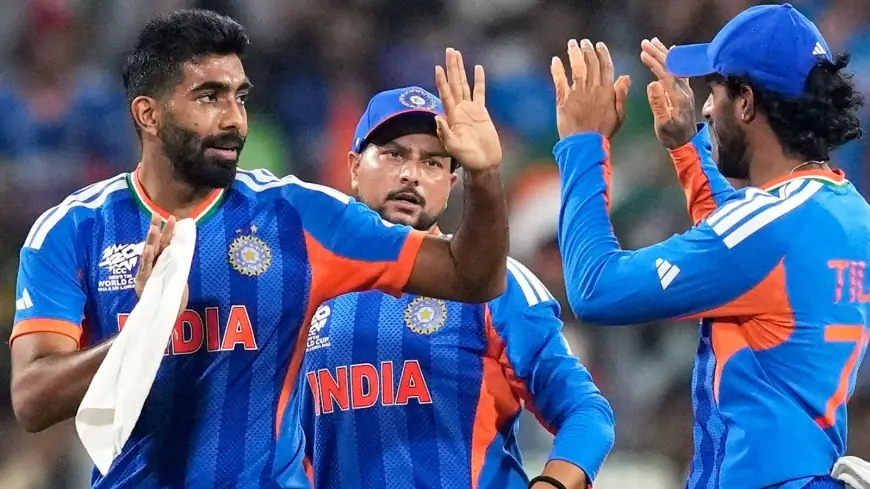
India produced a comprehensive victory over Pakistan in their Group A T20 World Cup clash in Colombo, a result that unfolded against a backdrop of high-stakes diplomacy and intense public interest. The match, scheduled on Sunday, drew boiling emotions on and off the field after a brief political standoff that threatened Pakistan’s participation earlier in the week.
India dominate on match day
On a pitch that tested both batters and bowlers, India asserted control early and never looked back. The visiting side’s depth in batting and disciplined bowling were the defining factors as Pakistan struggled to build momentum at any stage. Fielding intensity and tight death overs further restricted the chase, turning what many expected to be a close contest into a one-sided outcome.
Players on both sides displayed the professional focus expected on the sport’s biggest stage, but there was little in the way of post-match camaraderie. The rivalry’s coldness was visible during on-field exchanges and in the measured reactions from dressing rooms, underscoring how much more these fixtures mean than just three points in a group table.
Politics, history and a near boycott
The match carried weight beyond sport. Relations between the two nations have long been strained by historical conflicts and contemporary security concerns. Those tensions escalated this week when a government decision initially barred Pakistani players from taking the field in protest over another tournament controversy, a move that risked cancelling the marquee fixture. High-level talks in the days that followed reversed that decision, allowing the game to go ahead in the neutral host city.
These contests have continued only in multinational tournaments, with bilateral series largely suspended for years. Past incidents — from militant attacks to diplomatic fallout — have repeatedly narrowed the space for cricket diplomacy. Even when fixtures proceed, gestures of goodwill are often muted; an earlier meeting between these teams saw an on-field refusal to shake hands, a visible reminder of how deep the rift runs.
Viewership and financial stakes
Beyond national pride, matches between these neighbors are enormous commercial events. This edition’s matchup was expected to draw a global audience measured in the hundreds of millions, making it one of the most lucrative single fixtures in sport. Estimates suggested this match could attract around 325 million viewers, a television audience figure that dwarfs typical benchmarks for single-game viewership in many other sports.
That level of attention translates into significant revenue for broadcasters, tournament organizers and cricket boards, amplifying the pressure on both teams to perform. It also places the fixture squarely in the crosshairs of political actors who can and do use sport to signal broader national positions.
Aftermath and what it means for the tournament
The emphatic victory tightens the group picture and increases scrutiny on Pakistan’s prospects in the remainder of the competition. For India, the win is a statement of intent and a boost to confidence heading into the next stages. For fans across the region, the result will reverberate beyond the scoreboard — a reminder that whenever these two sides meet, the contest is as much about identity and narrative as it is about runs and wickets.
As the tournament moves on, organizers will face the recurring challenge of managing intense public interest while navigating the complex interplay of sport and geopolitics. For now, the attention shifts back to cricketing matters: strategy, selection and the small margins that decide T20 contests on the global stage.