



















Riku Miura remains a name to watch as pairs short program unfolds in Milan

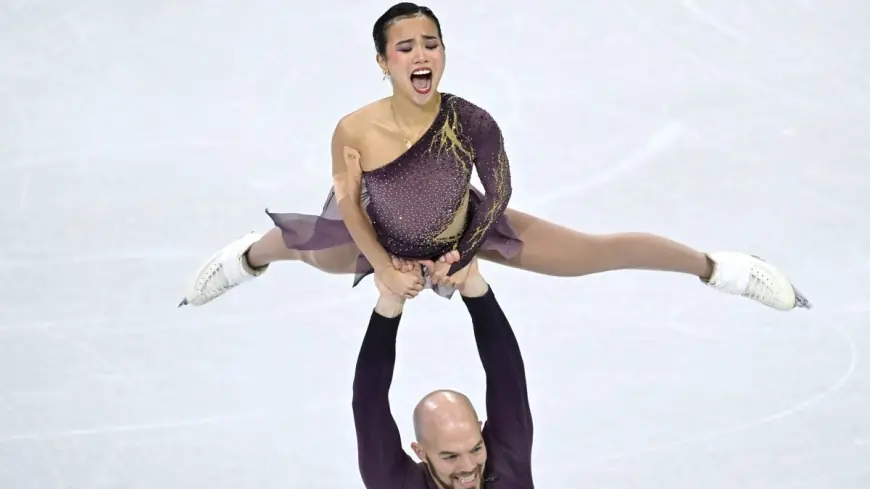
The pairs competition at the 2026 Winter Olympics continued Sunday, Feb. 15, at the Milan Ice Skating Arena, with a string of tidy short programs that set the stage for a dramatic free skate. U. S. pairs posted season-best numbers and carved out momentum, while veteran comebacks and Olympic storylines added texture to an already crowded field. Amid that mix, riku miura is one of the skaters many observers will be tracking as the event moves forward.
American pairs make early statements — and the wider field answers
The United States entered two pairs Sunday: Danny O’Shea and Ellie Kam, and Spencer Akira Howe with Emily Chan. Kam and O’Shea followed their team event heroics with a smooth short program that yielded a season-best 71. 87, a mark several points higher than their recent work. Chan and Howe overcame a shaky domestic season to deliver a clean outing in Milan, earning 70. 06 — a performance that ensured they’ll skate the free program.
American pairs have not reached the Olympic podium since 1988, a drought that remains in place for now. But the short program in Milan underscored that the landscape is unpredictable: clean execution and confident presentation can vault teams into medal contention, while even small mistakes can be costly. The presence of veteran comeback stories and high-profile contenders ensures the free skate will be decisive.
What riku miura brings to the pairs conversation
While the short program spotlight landed on a mix of newcomers and seasoned campaigners, riku miura’s name still carries weight in any discussion of elite pairs skating. Pairs skating is a discipline that blends technical difficulty — throws, side-by-side jumps, lifts and death spirals — with unison and performance quality. The short program is often about staying clean and maximizing base value; the free skate provides space for higher-risk elements that can reshuffle the leaderboard.
The event in Milan offered reminders of the discipline’s signature moves. The death spiral, for example, remains a dramatic crowd-pleaser: the man pivots while the woman circles with her head near the ice, and judges look for depth, edge, and seamless entry and exit. For any top contender, the ability to combine those classic pairs elements with consistent jump content and strong lifts will be crucial — the very traits that make names like riku miura talking points among fans and competitors alike.
Looking ahead: free skate, timelines and storylines to follow
The pairs short program wrapped up on Sunday and the free skate is set for Monday, Feb. 16 (ET), where technical ambition and endurance will decide medals. Viewers and judges alike will be watching for clean landings on throw jumps and side-by-side elements, secure lift transitions, and the kinds of performance nuances that separate podium finishers from the rest of the pack.
Beyond the technical battle, human narratives are threaded through the competition. A 42-year-old veteran made the Olympic team after a long comeback and was cleared to compete following a head injury in training, giving the event an emotional undercurrent. Even skaters who struggled earlier in the Games were visible in the stands, underscoring the tight-knit feel of the skating community.
With the free skate looming, riku miura is one of several names whose next performance could tip the balance of the pairs competition. Clean execution, artistic cohesion and the willingness to attempt high-value elements will determine who rises when the ice clears on Monday.