





















Berlin Film Festival Supports Wim Wenders Amid Arundhati Roy Criticism

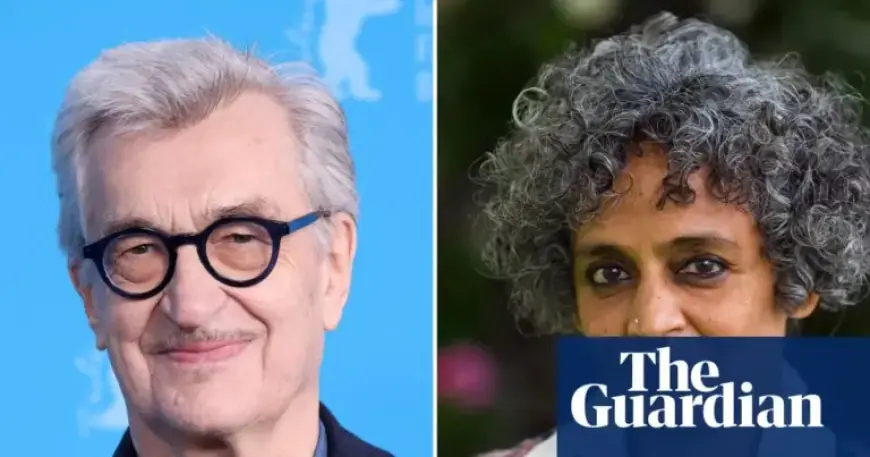
The Berlin Film Festival, or Berlinale, has issued a robust statement defending its jury and jury president, Wim Wenders. This comes in response to criticisms following remarks made during the festival’s opening press conference about the war in Gaza.
Context of the Media Storm
The festival characterized the reaction as a “media storm” impacting its initial days. Wenders stated that while he believes movies can change the world, they should remain apolitical. His comments ignited a heated discussion regarding the role of art and politics.
Controversial Remarks and Reactions
- Wim Wenders indicated that filmmakers should “stay out of politics.”
- Polish producer Ewa Puszczyńska described questioning about the German government’s support for Israel as “complicated” and “a bit unfair.”
- Arundhati Roy, the Indian author, criticized Wenders, calling his stance “unconscionable.”
- Roy announced her withdrawal from the festival, voicing concerns that such views obstruct essential discussions about humanitarian crises.
Response from Festival Leadership
Tricia Tuttle, head of the festival, addressed the increasing pressure on artists to comment on political issues. She emphasized that while artists have the right to free speech, they should not be expected to engage with every political question posed during press conferences.
A spokesperson for the Berlinale reiterated the importance of supporting their filmmakers and clarified that many critical remarks had been taken out of context. They argued that the conversations held are often misunderstood and detached from the broader artistic intentions.
Political Discourse at Berlinale
Political questions have become a dominant theme at this year’s festival. Notable figures such as Charli XCX and Neil Patrick Harris were asked about politics, often in connection to their films, which led to further discussions about the intersection of art and current events.
In a statement titled “On Speaking, Cinema and Politics,” Tuttle remarked on the diversity of artistic expression and political engagement within the film community. She acknowledged that filmmakers face challenges in articulating complex ideas in short public statements and criticized the media environment for limiting in-depth cultural discussions.
Conclusion
The ongoing debate highlights the complex relationship between cinema and sociopolitical issues. As discussions surrounding art and its impact continue, the Berlin Film Festival remains committed to fostering an environment where avant-garde ideas can thrive without the pressure of political conformity.