













U.S. Men's Hockey Faces Critical Tests as Milano Cortina Olympics Advance

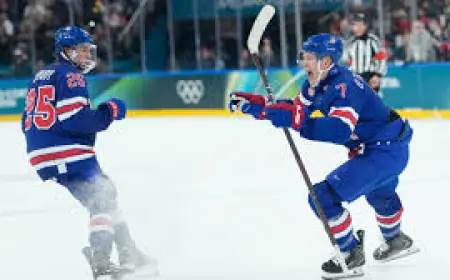
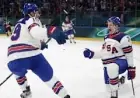
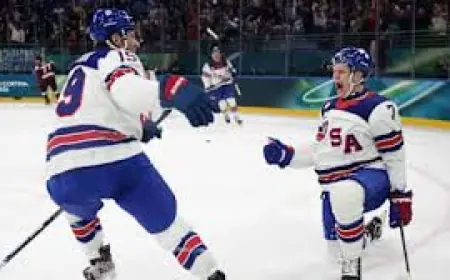
The U. S. men's hockey program heads into the heart of the Milano Cortina Winter Games carrying the weight of medal expectations and the realities of short tournament margins. With the wider American delegation competing across alpine and skating events on Feb. 15 ET and beyond, the hockey squad must balance preparation, ice conditions and tactical clarity as it seeks to convert talent into wins.
Lineup balance and leadership under the microscope
Roster construction is always a headline in Olympic hockey, and this year is no different. Coaches are navigating a familiar tension: how to deploy veteran leaders while giving younger, high-end talent the minutes they need to influence games. The ability to forge consistent chemistry across lines—especially the top two forward units and the top defensive pairing—will be a decisive factor.
Leadership off the ice matters as much as match-day decisions. Captains and veteran alternates are being leaned on to set standards in practice, in the locker room and during tight-game situations. Expect the coaching staff to prioritize structure and accountability, particularly late in close contests where mental fortitude and discipline will often determine outcomes.
Special teams, goaltending and adapting to tournament ice
Special-teams performance will likely decide multiple matchups. A potent power play can turn a tight contest into a manageable task, while a dependable penalty kill buys breathing room when opponents' skill leads to costly infractions. The team that executes on breakouts, zone entries and quick shot decisions on the man advantage will enjoy a tangible edge.
Goaltending remains the fulcrum of any Olympic run. Goaltenders who can remain steady under sustained pressure, make the big saves in key moments and give clear, calm communication to their defense will dramatically increase the squad's chances. Expect goaltender rotation to be influenced by form, opponent and recovery needs across a condensed schedule.
Ice conditions at international venues can fluctuate daily, and adaptation will be essential. Coaches will monitor line shifts, practice intensity and skating mechanics to ensure players are comfortable on the surface. Teams that adjust systems—from forechecking schemes to defensive zone coverage—based on ice speed and puck behavior will have an advantage over those that stick rigidly to a pre-set game plan.
What to watch: tactical matchups and game-day variables
Several tactical matchups will be worth watching. How the U. S. defends speed on the wings and counters with north-south transition offense will test opponent game plans. Look for the team to leverage quick retrievals and effective neutral-zone play to generate high-danger chances in the offensive zone.
Bench management is another variable. Optimal line changes, timely timeout usage and judicious rest for key players across back-to-back games will shape outcomes. Coaching staffs that read momentum swings and respond proactively—whether by matching lines, adjusting defensive assignments or tweaking power-play personnel—tend to extract more value from their rosters over a tournament.
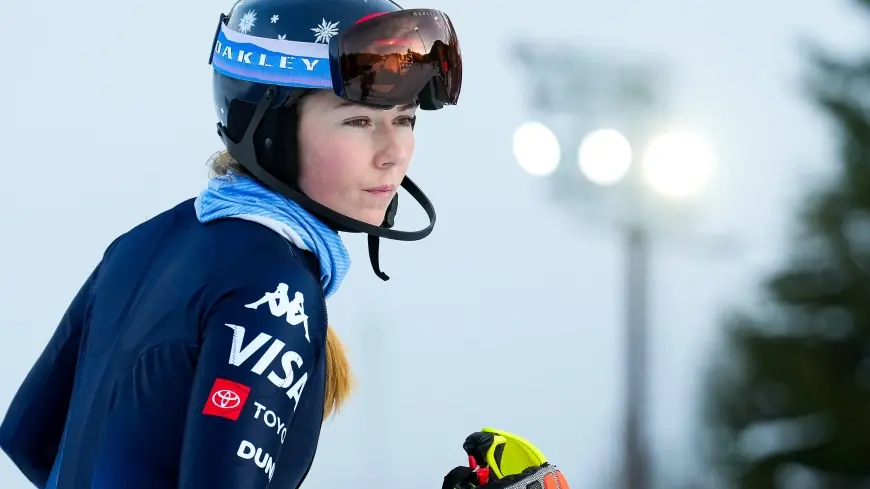
Finally, the broader Olympic schedule and cross-sport energy can influence team morale. With marquee U. S. athletes competing in alpine and individual disciplines on Feb. 15 ET, the overall mood within the delegation can buoy or burden hockey players. Teams that draw inspiration from fellow Americans’ performances may find an extra gear in the clutch moments.
As the tournament unfolds, expect the U. S. men's hockey story to be written in fine margins: special teams execution, goaltending steadiness and the ability of leadership to steady the ship. For fans and analysts alike, the coming days promise intense, tactical hockey and the kind of unpredictability that defines Olympic competition.