





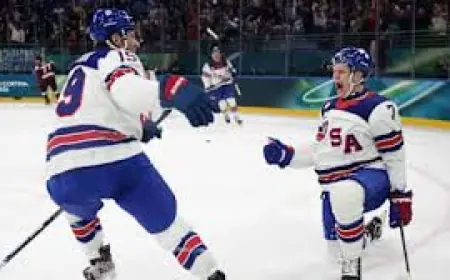

















Olympic hockey bracket could doom U.S., Canada or Sweden to an early exit

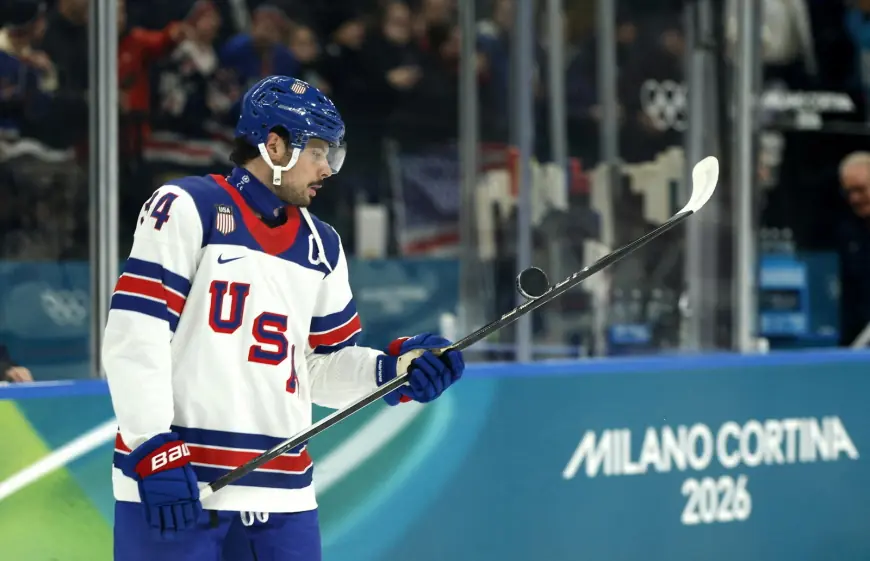
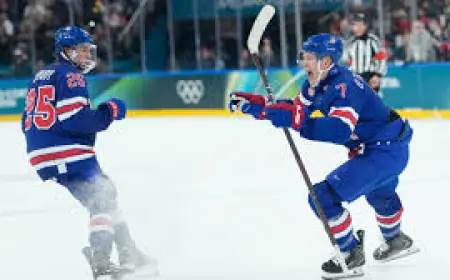
A cascading set of tiebreakers in the preliminary round has turned what looked like a straightforward road to the knockout stage into a minefield. Goal differential in head-to-head matchups and one late goal in Group B have combined to create a high probability that two of the tournament’s best teams will meet in a do-or-die quarterfinal—meaning an early elimination is now a real possibility for the U. S., Canada or Sweden.
How Group B chaos reshaped the bracket
Three teams in Group B finished level on points, and the tiebreak rules narrow the tie first to results among the tied teams and then to goal differential in those head-to-head games. The decisive sequence of scores reads plainly: Slovakia 4, Finland 1; Finland 4, Sweden 1; Sweden 5, Slovakia 3. That last scoreline included a late marker with 39 seconds remaining that shifted the head-to-head goal differential and ultimately elevated Slovakia to the top of the group while pushing Sweden down to third.
Because Olympic rankings first use group placing to seed all 12 teams from one through 12, that shuffle has concrete consequences. Top spots—those that earn byes into the quarterfinals—will go to the top three group winners plus the best fourth winner spot. With Slovakia now poised to finish first in Group B and Finland second, Sweden is likely to fall into the seven-to-nine range in the overall rankings. The bracket is fixed for the quarterfinals; there is no reseeding after the qualification playoffs, so matchups are predetermined.
Why a single goal can decide medal hopes
Olympic tournament math is unforgiving. After the preliminary stage concludes Sunday (ET) with Canada facing France and the U. S. meeting Germany, all 12 teams will be slotted one to 12. The top four move straight to quarterfinals. Teams ranked five through 12 play in the single-elimination qualification round, and winners advance to the quarters. From that point onward, a loss means elimination (except the semifinal losers, who play for bronze).
That format amplifies the importance of goal differential. A seemingly inconsequential goal late in a game can alter which side of the bracket a nation lands on and whether it faces a rested top-four seed or another momentum-charged opponent coming off a win. The Slovakia goal with 39 seconds left is the textbook example: it didn’t change the result of that match in terms of points but flipped the head-to-head differential used to rank tied teams.
What Canada and the U. S. must do this weekend
Heading into the final prelim games, Canada sits with a strong cumulative goal differential; the U. S. has an opportunity to overtake them for the top seed but must keep piling on goals and protect the net. The Americans opened with a dominant win that showcased depth up and down the lineup, but margin of victory will matter. Boston’s expected starter for one of the remaining games will need to continue the work of earlier netminders who kept opposing scores down, and the team’s top scorers must capitalize to boost goal differential.
For Canada, the priority is similar: win the remaining prelim game by a comfortable margin to keep the overall standing edge. For Sweden, the focus shifts to surviving the qualification rounds or avoiding a quarterfinal draw against one of the North American powerhouses. With the bracket locked, Sweden’s most likely path now runs straight into a potential clash with Canada or the United States in the quarters, making every remaining minute of regulation and every extra tally in the next two games disproportionately important.
There are still a few games left that could shuffle minor positions, and slim chances remain to alter the most consequential matchups. But the takeaways are clear: in this tournament, goal differential is more than a tiebreaker—it's a weapon. Teams that treat every goal like a seed-deciding moment will have the best chance to avoid an early and painful exit from the Olympic hockey bracket.