



















2026 Winter Olympics Alpine Skiing Schedule: Full Event Calendar and ET Start Times

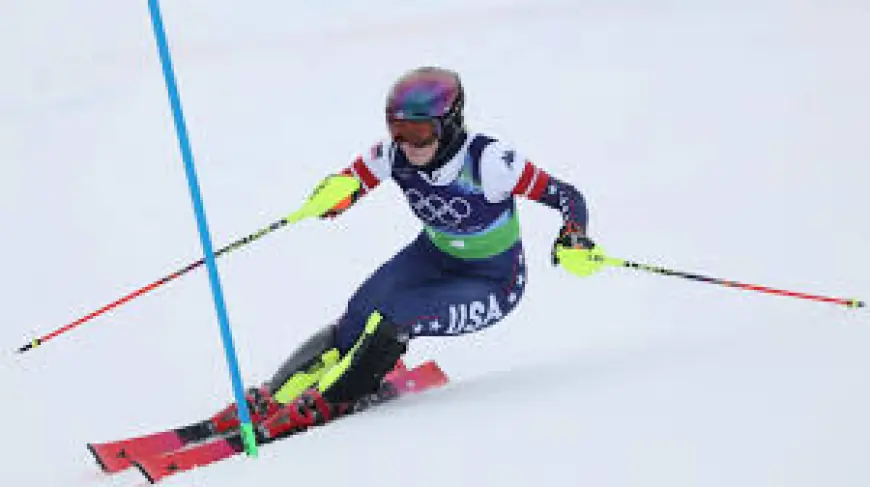
The alpine skiing program for the 2026 Winter Olympics is set to deliver two weeks of high-speed drama, technical showdowns and a mix of classic downhill and head-to-head team competition. Below is a consolidated schedule of every alpine event, presented in Eastern Time (ET), with notes on marquee sessions and viewing considerations for fans and attendees.
Full event calendar (ET)
All times are listed in Eastern Time. Events and start times are subject to change due to weather or operational needs; check final event notices on competition days.
- Feb. 9 — Women's Downhill: 4: 00 AM ET — Season-opening speed test and first individual gold for alpine skiing.
- Feb. 10 — Men's Downhill: 4: 00 AM ET — Classic speed event; often produces major surprises in sub-zero conditions.
- Feb. 11 — Women's Super-G: 4: 30 AM ET — One-run speed discipline that rewards precision at high velocity.
- Feb. 12 — Men's Super-G: 4: 30 AM ET — A quick turnaround for the men after the downhill spectacle.
- Feb. 13 — Alpine Combined (Women): 4: 00 AM ET (Super-G), 7: 00 AM ET (Slalom run) — Tests all-around skill across speed and technical ranks.
- Feb. 14 — Alpine Combined (Men): 4: 00 AM ET (Super-G), 7: 00 AM ET (Slalom run) — Two-run format decides versatile specialists.
- Feb. 15 — Women's Giant Slalom — Run 1: 5: 00 AM ET; Run 2: 9: 00 AM ET — Technical discipline spread across morning sessions.
- Feb. 16 — Men's Giant Slalom — Run 1: 5: 00 AM ET; Run 2: 9: 00 AM ET — Tight margins expected over two runs.
- Feb. 17 — Women's Slalom — Run 1: 6: 00 AM ET; Run 2: 10: 00 AM ET — Short, technical, and often unpredictable.
- Feb. 18 — Men's Slalom — Run 1: 6: 00 AM ET; Run 2: 10: 00 AM ET — Traditional finale for technical specialists.
- Feb. 19 — Mixed Team Parallel (Qualification): 7: 00 AM ET — Nations field mixed-gender teams in knockout parallel racing.
- Feb. 20 — Mixed Team Parallel (Medal Rounds): 7: 00 AM ET — Fast-paced head-to-head format to close the alpine program.
- Feb. 21 — Reserve day/weather buffer — Events may shift here if required.
Key sessions and storylines to watch
The speed events — downhill and super-G — draw the biggest attention for raw velocity and unpredictable course conditions. Expect the early morning ET sessions to be the highest-stakes windows for athletes pushing the limits at top speed. Technical events (giant slalom and slalom) take place later in the morning ET with two-run formats that can flip podium projections after the second run.
The alpine combined events are pivotal for athletes who can bridge speed and technical skills; they tend to reveal emerging all-around contenders. The mixed team parallel is scheduled toward the end of the program and often produces dramatic, television-friendly moments as nations stack sprinters and tech specialists in head-to-head brackets.
Weather will be a constant storyline. Wind, visibility and snow conditions can force schedule shifts and reserve-day activations. Organizers have built buffer days into the timetable to absorb delays, but fans and broadcasters should expect last-minute changes, particularly for speed disciplines that require optimal visibility and firm snow.
Practical notes for fans and athletes
For international viewers, early-morning ET start times mean many finals will occur overnight or at dawn; planning ahead for live streams and alerts will ensure you don’t miss medal runs. Spectators on site should arrive early and be prepared for cold, variable mountain weather — layered clothing, traction footwear and flexible transportation plans are essential.
Athletes and teams typically hold course inspections in the day prior to their events, and final start lists are confirmed the evening before each competition. Fans following particular competitors should monitor team announcements for bib numbers and start-order updates that can significantly affect morning viewing plans.
Expect schedule tweaks leading into the Games as organizers finalize start lists and course setups. The alpine program promises a compact, intense block of racing that will likely produce some of the Games’ most memorable moments.