



















2026 Winter Olympics alpine skiing schedule: what fans need to know

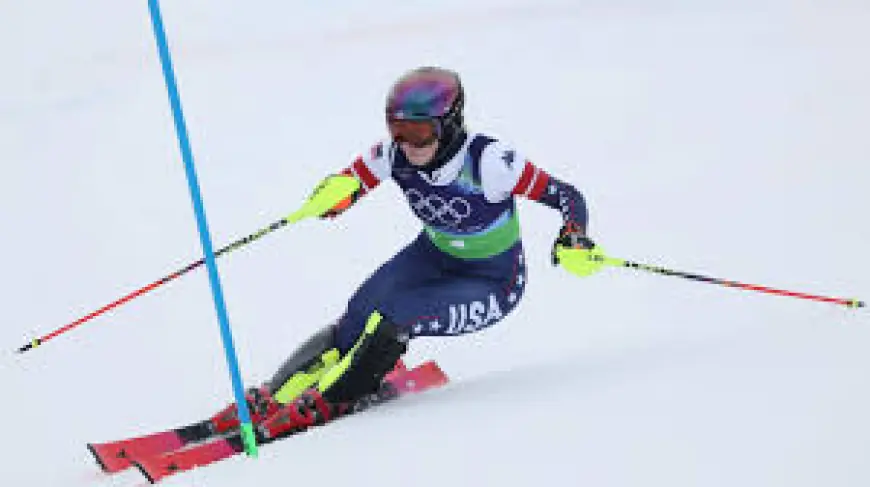
The alpine skiing programme at the 2026 Winter Olympics in Milano Cortina promises a dense run of medal races across speed and technical disciplines. Fans should prepare for a mix of early starts, mid-afternoon marquee finals and the familiar risk of weather-driven changes. Below is a focused guide to the lineup, typical start windows in Eastern Time (ET) and practical notes for following the action.
Event lineup and timing highlights
Alpine skiing at these Games will cover the full slate: downhill, super-G, giant slalom, slalom, alpine combined and the mixed team event. The organisers have scheduled events across the core competition period so that speed events and technical events alternate, preserving course integrity and giving athletes recovery time. Expect the following general pattern:
- Speed events (downhill, super-G): typically held on consecutive days with runs staged in the middle of the programme. Final runs for these races commonly fall in the early to mid-afternoon ET window, often around 12: 30 PM ET to 3: 30 PM ET depending on course readiness and TV windows.
- Technical events (giant slalom, slalom): usually scheduled later in the programme and frequently split across morning and afternoon sessions, with first runs often starting near 9: 30 AM ET and second runs in the early afternoon, around 1: 00 PM ET to 2: 30 PM ET.
- Alpine combined and mixed team event: positioned to provide variety mid-Games. Combined races pair a speed run with a slalom run on the same day, so expect an early start for the speed portion followed by a technical session in the afternoon. Team event timing typically lands in the mid-afternoon ET slot to maximise spectator attendance.
Spectators should note that medal-heavy days are built into the schedule. Organisers flagged a busy stretch around the middle of the programme; one scheduling update highlighted an especially packed "day nine, " when nine Gold medals will be contested across multiple sports. Alpine skiing figures prominently across that window, meaning multiple finals could fall on the same day.
What viewers should watch and how to follow the action
With a mixture of speed and technical races, key storylines to track include course conditions after training runs, athlete weather adaptations, and the scramble for starting positions, which can be decisive in changing snow. Typical viewing advice:
- Check start lists early. Run order dictates weather exposure and can alter medal prospects; early starters often face firmer snow, while later starters contend with ruts and variable visibility.
- Expect training runs and course inspection in the days leading up to each event, often scheduled in the morning ET. Those sessions can be as revealing as race day for injury news and form.
- Medal ceremonies usually follow within an hour of the final competition results, so plan for short windows between the finish and podium presentations in ET.
Weather, contingency planning and what can change
Alpine skiing remains the most weather-sensitive alpine sport. Wind, fog, melting snow and fresh snowfall can force organisers to delay starts, reorder events or shift competition times earlier in the day to take advantage of firmer conditions. The schedule includes contingency days to absorb some of this disruption, but fans should be prepared for last-minute adjustments to start times—frequently moved into earlier morning slots or later afternoon windows in ET to preserve safety and fairness.
Ultimately, the alpine schedule at Milano Cortina is designed to balance athlete welfare, venue capability and broadcast needs, while delivering a concentrated run of thrilling downhill speed and precision technical racing. Keep an eye on daily briefings for the freshest timing updates and be ready to adjust viewing plans around ET start windows, especially on peak medal days.