
























Daytona 500 Start Time Moved Up as Forecasters Track Evening Storm Risk

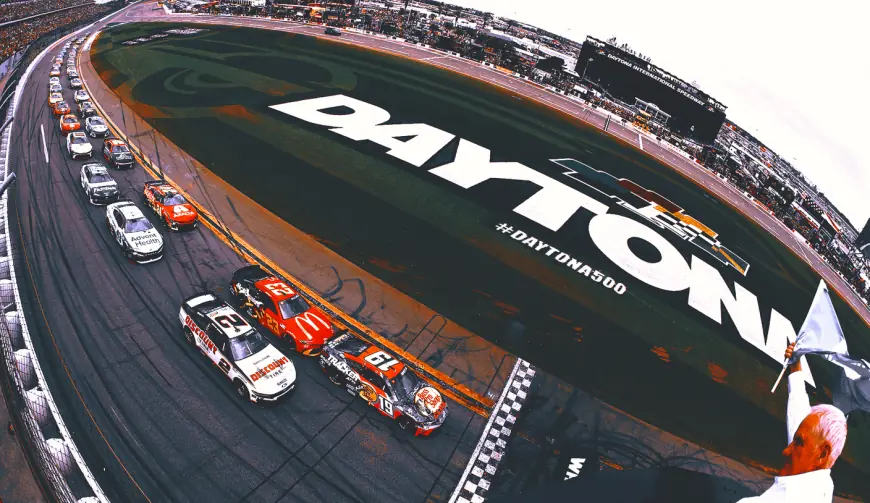
Race organizers shifted the Daytona 500 start earlier on Sunday in an effort to finish more laps before a storm system moves into the Daytona Beach area. The opener is now scheduled to begin at 1: 30 p. m. ET, with the green flag expected to drop around 2: 13 p. m. ET.
Why officials changed the schedule
The decision to nudge the schedule forward reflects a familiar gamble at Daytona International Speedway: try to run the marquee event before bad weather arrives. Moving the on-track action up an hour gives crews, drivers and fans a better chance of completing the race in daylight and under the track lights if needed. Pre-race programming will begin earlier as well, allowing broadcasters and teams to compress the lead-in and get cars on track sooner than originally planned.
Weather outlook and race-day risks
Forecasts for Daytona Beach show relatively low rain chances during the early and middle portions of the day, with the probability of scattered showers climbing later. Models project about a 7% chance of rain around 4: 00 p. m. ET, rising to roughly 12% by 7: 00 p. m. ET. The highest risk of thunderstorms is expected in the evening hours, and forecasters note that the longer the event runs, the greater the likelihood of racing being interrupted by precipitation or lightning.
Temperatures are expected to top out near 79 degrees Fahrenheit with a low near 59, and light winds around six miles per hour. Sunset in Daytona Beach is forecast for 6: 13 p. m. ET, but the speedway’s lighting means late-day running can continue if conditions permit. That said, small storms with lightning beginning after 8: 00 p. m. ET would likely force a stoppage for safety reasons.
Implications for the race
Rain has already played a role in the early part of the season, contributing to lengthy delays and chaotic conditions in recent events. Last year’s Daytona 500 saw significant weather interruptions that stretched the event over multiple stoppages before a winner was finally decided. Teams will be mindful of strategy shifts tied to a shorter daytime window or the prospect of a rain-shortened result: pit timing, tire management and fuel calculations could all be affected if crews try to push hard early to stay ahead of incoming weather.
Drivers and spotters will also be watching sky conditions closely. On-track traffic and pack racing at Daytona create added variables when the threat of rain hangs over the field; restarts in damp conditions or attempts to race through light showers increase the potential for multi-car incidents. Race control will prioritize safety and will halt action if track conditions or lightning present a danger.
While the updated timing improves the chances the race will conclude without a weather delay, teams and fans should prepare for the possibility of interruptions once the evening approaches. For now, the earlier start provides the best shot at getting the full-distance event in under favorable conditions.