





















dave dombrowski’s Philadelphia reset tested after Nick Castellanos exit

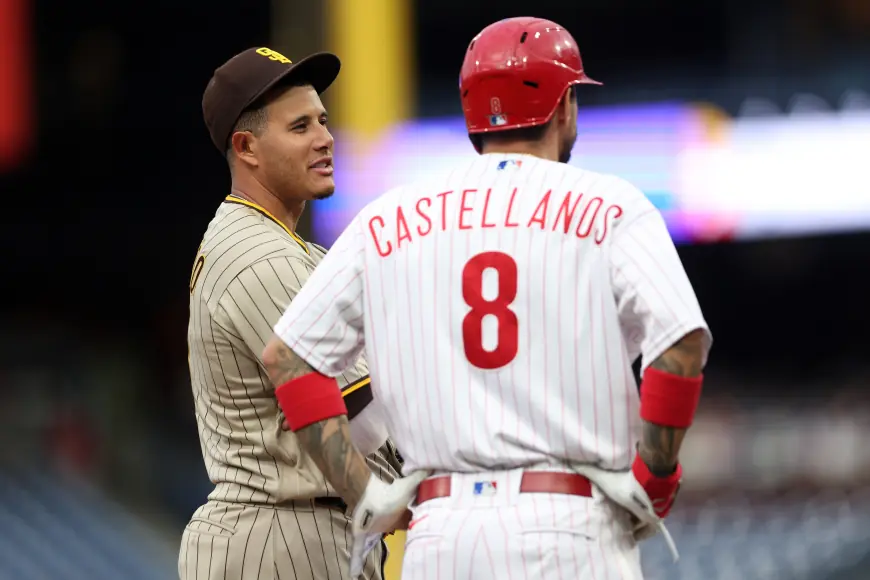
Nick Castellanos’ release and immediate new deal elsewhere has thrust the front office’s winter blueprint into the spotlight, putting dave dombrowski’s roster reset squarely on display. The move removes a long-running roster question but leaves the organization with payroll obligations and a need for clearer depth plans as spring approaches.
Payroll math and roster flexibility
The team will absorb nearly the entirety of Castellanos’ 2026 guarantee after his new one-year arrangement elsewhere reduces that team’s obligation by a modest league-minimum amount. That leaves a significant contract charge on the books even as leadership looks to retool the roster. The financial carry creates a blunt tradeoff: free a roster spot and restore clubhouse harmony, but retain a major payroll commitment that limits reinvestment.
For decision-makers, that balance is familiar—prioritizing roster clarity over perfect cap efficiency. With pitching and catching still considered pillars of the roster, the front office must decide whether the remaining payroll will be funneled into frontline upgrades, depth arms, or short-term stopgaps to cover first-base and designated-hitter starts. Spring training will be a proving ground for internal options and veterans vying for playing time, and the organization’s willingness to absorb sunk dollars into a different configuration will reveal its near-term priorities.
Clubhouse culture and competitive timeline
The public elements of Castellanos’ tenure—on-field inconsistency and visible friction with staff and teammates—forced a cultural conversation that now reaches up the organizational chart. Leadership’s choice to part ways with a high-profile veteran signals a readiness to emphasize cohesion over star power when those two are in conflict.
That calculus matters because the roster still centers on established core players whose contracts and performance window define the competitive timeline. Preserving a stable, professional environment could be judged as essential for maximizing that window, particularly with starting pitchers and catchers expected to be central to the club’s success. The front office will be evaluated on whether its approach produces smoother daily operations and clearer lines between performance, accountability and opportunity.
Short-term fixes and roster moves to watch
With an open chance for a veteran bat to step into DH or first-base roles, the club could pursue a mix of low-cost veterans and internal candidates. Recent offseason activity elsewhere shows teams are willing to sign experienced hitters to short-term pacts and to experiment with position changes to create lineup flexibility; similar strategies could be in play here. The organization also has to manage playing time for incumbents and provide competitive situations so spring performances translate into roster clarity.
Another angle is how the front office will approach trade discussions this spring. The exit of a high-profile player typically changes the dynamics of prior conversations, potentially making it easier to acquire depth or move on from other contracts. The next transactions should indicate whether the leadership is content with retooling incrementally or plans a more aggressive reshuffle to chase immediate contention.
As the calendar moves into full spring activity, dave dombrowski’s roster philosophy will be measured by two outcomes: improved clubhouse stability and a coherent path to on-field upgrades despite a lingering payroll charge. The release removed an ongoing distraction, but it also handed the front office a choice—double down on internal development and culture, or spend to patch the roster while absorbing the remaining financial hit. The early weeks of spring training will reveal which route the club takes.