























Rell Harwood’s Olympic Debut Hits a Major Hurdle, but the Freeski Star Isn’t Done

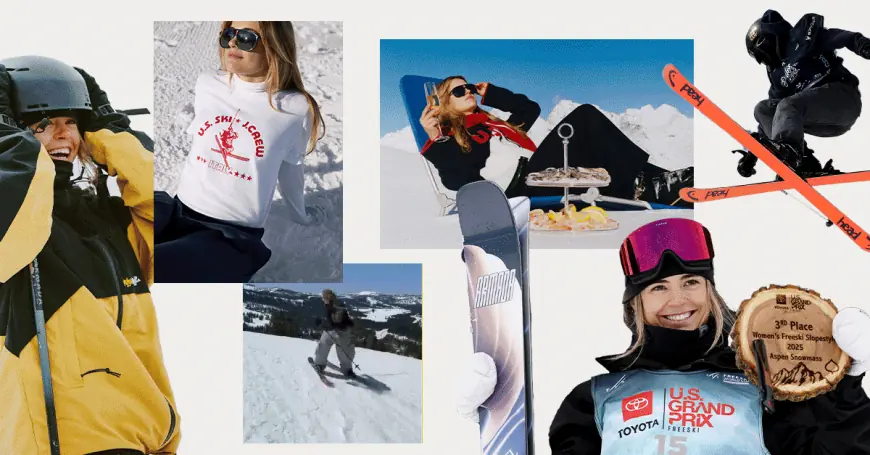
Rell Harwood, the 24-year-old freeski competitor known for her competitive pedigree and thrift-store enthusiasm, clinched a spot on the 2026 U. S. Olympic team but suffered a torn right ACL in the crucial weeks before the Games. The injury cost her a start on the day she was scheduled to compete, yet Harwood has signaled she still intends to pursue her Olympic goals and her off-slope passions.
From Park City prodigy to an Olympic roster spot
Raised in Park City and skiing since age 3, Harwood rose through the freeski ranks to become a member of the national freeski team and an X Games gold medalist. Her selection for the 2026 Olympic roster marked the first time she would carry her country’s colors at a Winter Games, fulfilling a long-standing career objective that had weathered previous injuries and setbacks.
Style moment off the snow
Off the hill, Harwood has cultivated a secondary profile as a fashion-forward athlete with a taste for thrifting. She was featured in a lifestyle apparel campaign this winter that highlighted athletes’ personalities beyond sport, embracing an après-ski persona that resonated with fans and editors alike. The collaboration has pushed Harwood to think more seriously about fashion and creative projects as a complement to her athletic ambitions.
Late injury clouds Milano-Cortina appearance
Just weeks before her first Olympic start, Harwood tore her right anterior cruciate ligament — the same knee injury she suffered ahead of the 2022 Olympic cycle. The timing left little room for standard reconstructive surgery and a full recovery. On the day she was slated to compete, Harwood did not take to the course and later explained the circumstances in a social media post, describing the emotional toll of yet another major setback so close to the Games.
Medical alternative and a commitment to compete
Harwood’s surgeon proposed an alternative to immediate surgery that could permit her to ski in the short term. Embracing that option required intense preparation, careful risk assessment and support from her medical and coaching teams. Though the injury eliminated her from at least one scheduled event, Harwood communicated that her presence at the Games was not over and that she remained resolved to represent her team while managing her recovery.
What comes next for Harwood
Looking beyond the immediate disappointment, Harwood’s plans include focused rehabilitation and a return-to-ski strategy tailored to her long-term career. The shift toward integrating fashion and creative work into her public profile offers a supplementary pathway for visibility and opportunity while she navigates recovery. Peers and coaches point to Harwood’s history of resilience — bouncing back from injuries and continuing to seek competitive growth — as a reason to expect she will remain a presence in freeskiing in seasons to come.
Harwood’s story at the 2026 Games is a reminder of how fragile elite-level timing can be and how athletes manage competing priorities: physical health, national representation and life beyond sport. Even without the race start she had hoped for, Harwood left the mountain with a reputation for grit and a clear intention to pursue both recovery and creative pursuits after the Games.