

























Casablanca Council Unanimously Adopts New Cleanliness Management Framework

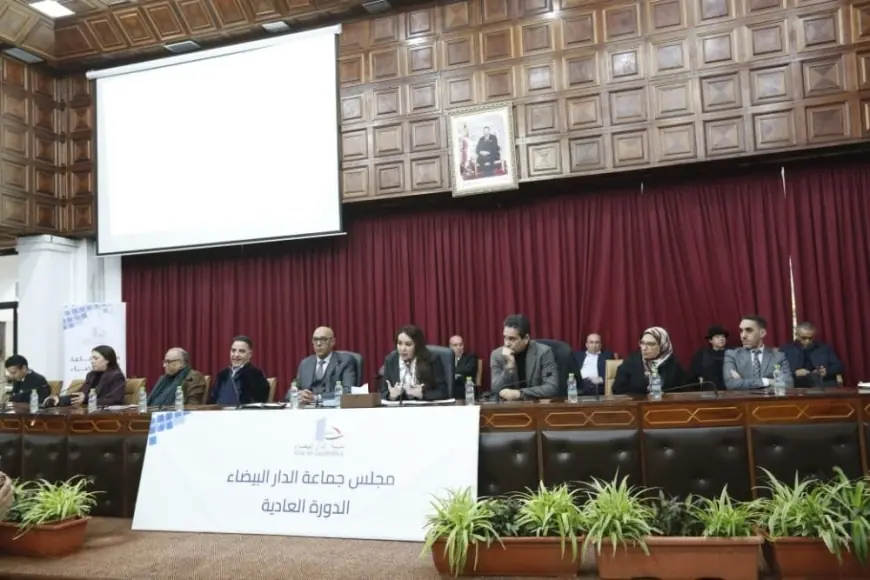
The municipal council in Casablanca has unanimously approved a new framework aimed at overhauling the city's cleanliness and waste-management systems. Officials framed the measure as a comprehensive effort to modernize operations, reinforce oversight and improve daily living conditions for residents across the metropolis.
Scope and objectives of the new framework
The adopted framework sets out a broad slate of objectives: streamline collection and street-cleaning services, enhance recycling and waste diversion efforts, and introduce clearer performance benchmarks for service providers. It also emphasizes better coordination among municipal departments and a stronger regulatory approach to persistent cleanliness challenges.
How implementation is expected to proceed
Implementation will take place in phases, beginning with administrative reorganizations and the roll-out of updated operating procedures. The plan calls for the gradual deployment of technical upgrades, revised service maps, and expanded cleaning routes in underserved neighborhoods. Municipal managers say this staged approach is intended to limit disruption while testing new practices on a citywide scale.
Role of private operators and contracts
The framework reinforces the role of contracted operators in day-to-day cleaning and waste collection, while tightening contract oversight and performance clauses. New procurement rounds and renegotiated agreements are expected to include more explicit service-level commitments and penalties for noncompliance. The council highlighted the need for clearer accountability in partnerships between the public sector and private vendors.
Expected impact for residents and businesses
Officials say residents should see more reliable collection schedules, cleaner public spaces and faster responses to incidents such as illegal dumping. Businesses may face stricter enforcement of waste-handling rules and clearer expectations for on-site waste management. The municipality also intends to expand public information campaigns to encourage civic participation and better waste-sorting habits.
Oversight, transparency and citizen engagement
To bolster oversight, the framework includes provisions for strengthened monitoring, regular reporting on key performance indicators, and mechanisms for citizen feedback. Municipal leaders emphasized the importance of transparency in tracking progress and making adjustments in response to community concerns. Increased use of data and periodic public updates are expected to form part of the accountability apparatus.
Challenges and the road ahead
Despite unanimous political backing, the city faces practical hurdles: ensuring steady financing, upgrading infrastructure, and shifting long-standing public behaviors around waste. Workforce training and the working conditions of sanitation crews will also be critical to sustained improvement. Officials acknowledge the need for continuous investment and close management to translate policy changes into visible, long-term improvements on Casablanca's streets.
The council vote marks a clear political commitment to tackling cleanliness issues, but the effectiveness of the new framework will depend on follow-through, contract enforcement and meaningful engagement with residents and businesses as implementation unfolds.