























Interview: Insights from Canadian Olympian Hallie Clarke – 5 Key Questions

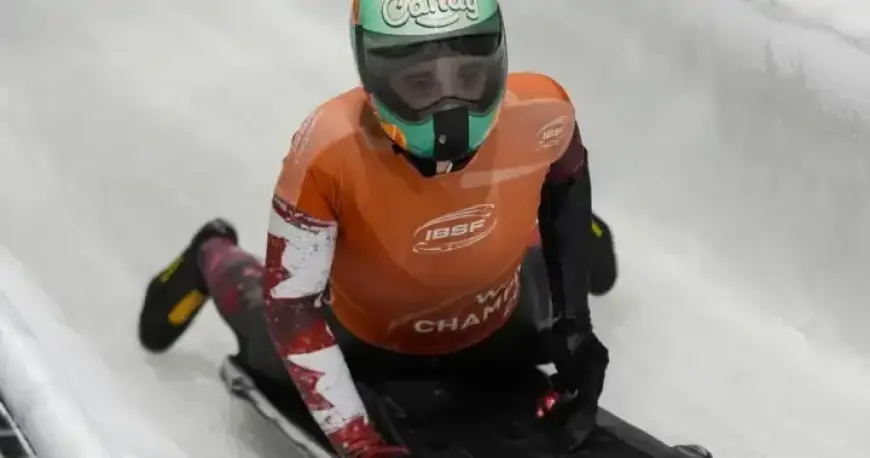
Hallie Clarke is poised to make her Olympic debut at the Milan Cortina Winter Olympics. The 21-year-old from Brighton, Ontario, made history as the youngest woman to win a world championship in skeleton at just 19 years old. This remarkable achievement occurred in Winterberg, Germany, in 2024.
Dual World Champion
Clarke’s success continued as she won the women’s world junior championship a year later. Remarkably, she became the first athlete to hold both the senior and junior titles simultaneously. Women’s skeleton events will commence on Friday, featuring the first two heats, followed by the final heats and medal presentation on Saturday.
A Glimpse into Hallie Clarke’s Life
Clarke comes from a sports-oriented family. Her father, Wayne, was a Toronto Maple Leafs NHL draft pick in 1992, while her mother, Kelly, is a former figure skater and now a power skating coach. Initially a figure skater herself, Clarke transitioned to skeleton due to her adventurous spirit.
Starting Her Skeleton Journey
In an interview with Filmogaz.com, Clarke shared her unexpected entry into skeleton. She discovered the sport while exploring WinSport in Calgary. Intrigued by a sign for free push sessions, she had to research the sport, realizing her limited knowledge. Clarke’s curiosity led her to try it, and she quickly developed a passion for the sport.
Overcoming Challenges
Throughout her career, Clarke faced significant challenges, particularly regarding mental health. She explained that competing at a high level intensified her anxiety and depression. Being away from home and managing the pressures of the sport proved difficult. However, she has worked diligently to address these mental health issues.
- Works with sports psychologists and mental performance coaches.
- Emphasizes the importance of acknowledging mental health in high-pressure sports.
- Focuses on remembering the joy of participating in her sport.
Pre-Race Rituals
Clarke humorously noted her family’s superstitious nature. Although she prefers not to engage in superstitions, she acknowledges her father’s rituals during her races. For example, he believes his positioning during races influences her performance. Additionally, Clarke has a unique race-day tradition involving a special pair of socks. She has worn the same socks since her first World Cup event.
Conclusion
As Hallie Clarke prepares for her Olympic journey, her resilience and dedication serve as an inspiration. Her story reflects the challenges athletes face, demonstrating the importance of mental health awareness in sports. Clarke’s achievements in skeleton highlight her commitment to excellence both on and off the track.