

















Nancy Guthrie case: investigators expand search activity near Tucson home

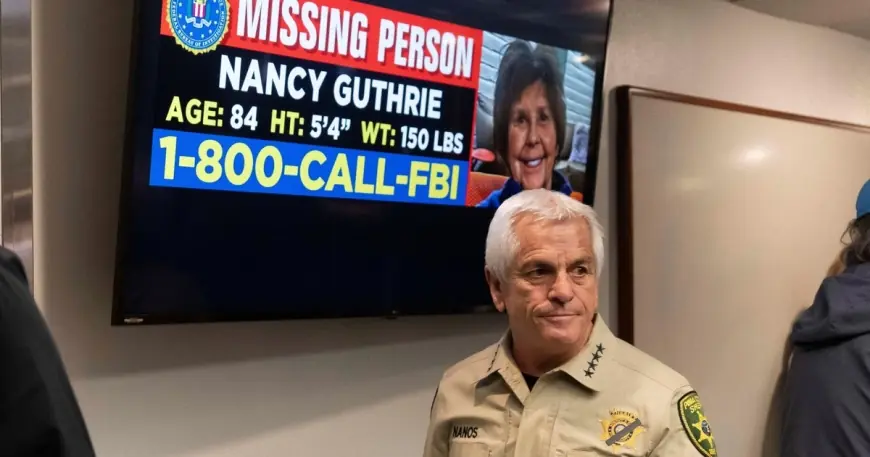
Investigators intensified activity near the Tucson-area home of 84-year-old Nancy Guthrie late Friday into Saturday, as the disappearance case entered its second week without a public breakthrough. The latest actions included a temporary road closure and additional forensic steps, signaling a widening effort to lock down leads while the search remains focused on locating her alive.
What changed in the last 24 hours
Late Friday night into early Saturday (ET), law enforcement vehicles and forensic personnel converged near Guthrie’s neighborhood, and a nearby roadway was sealed off for a period during the operation. Officials have not publicly detailed what prompted the move or what—if anything—was recovered, but the visible escalation suggests investigators are acting on a specific tip, new evidence, or a refined timeline.
A vehicle of interest was also towed from a local parking area as part of the ongoing work. It is not publicly confirmed how, or whether, that vehicle connects to Guthrie’s disappearance, and officials have not released results from any searches tied to it.
Evidence and surveillance remain central
Authorities have previously pointed to physical evidence at or near the home as a reason the case is being treated as more than a missing-persons call. Investigators have described blood found on the front porch and have continued to collect items for forensic testing, including gloves recovered in the area.
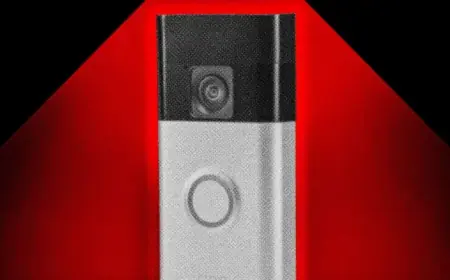
Surveillance footage has been a major pillar of the investigation. Officials have publicly described video showing a masked individual near the home around the time Guthrie went missing, including indications of tampering with the property’s door-camera setup. A separate person seen in another clip has been described as not being a suspect, narrowing the focus to the individual in the primary footage.
Health concerns raise urgency
Guthrie’s age and reported medical needs have shaped the tone of the search from the start. Investigators have said she requires daily medication and has cardiac-related medical concerns, factors that elevate the risk the longer she remains unaccounted for.
Those concerns also influence how search teams prioritize time-sensitive leads—such as nearby locations where someone could be held or where a vulnerable person might be found—over longer-term investigative steps.
Suspect description and reward focus tips
Investigators have circulated a description of a suspect seen on video and have highlighted a distinctive backpack as a potential identifier. The description centers on a man around average height, with the backpack called out as a key visual cue that could help the public connect a sighting to the case.
A reward has been increased to $100,000 for information that helps locate Guthrie or leads to an arrest. Officials have continued urging nearby residents and businesses to check home security footage and hand over relevant clips, especially from the overnight window spanning Feb. 1.
Key takeaways
-
Law enforcement activity intensified near the home late Friday into Saturday (ET), with limited public detail on what drove the move.
-
Video evidence and forensic testing remain central, including items recovered near the residence.
-
Health concerns keep the case urgent as investigators seek time-sensitive leads.
What remains unclear, and what comes next
A number of high-impact details have not been publicly confirmed: whether the towed vehicle is tied to the suspect, whether forensic tests have produced a match, and whether investigators believe Guthrie was moved far from the neighborhood. Officials have also not explained the nature or credibility of communications circulating publicly about the case, and any purported ransom demands have not resulted in a confirmed resolution.
The next likely milestones are procedural: additional review of camera footage collected from the area, forensic lab results on recovered items, and targeted follow-up interviews tied to tips received in the past several days. Investigators have emphasized that the volume of information is large, and that progress can hinge on a single clear image, timestamp, or witness observation.
For the public, the most actionable help remains narrow and concrete: preserving and sharing any video from overnight hours around Feb. 1, noting unusual vehicles or people in the area, and reporting sightings that match the suspect description—especially if a backpack consistent with the one highlighted by investigators is visible.