





















Florida State Fair Champion Parlayed Barn Work into a Career in Agricultural Law

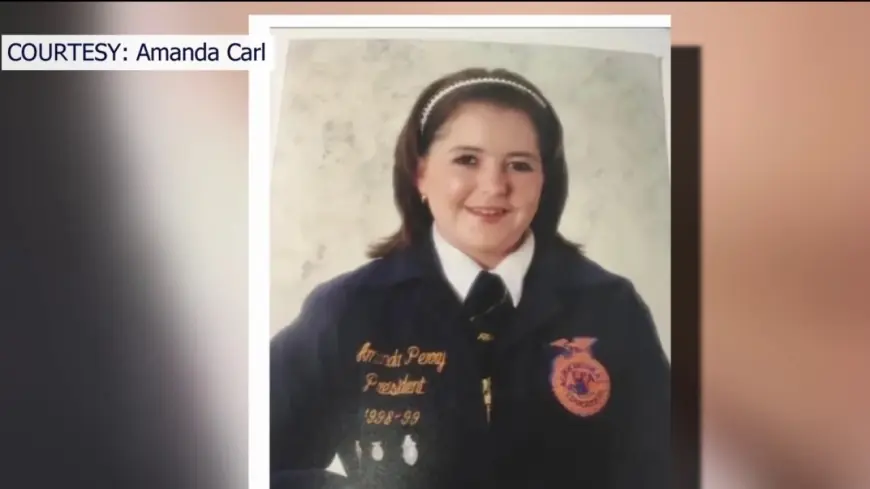
A past winner of the Florida State Fair’s Champion of Champions program has translated years of livestock showing, record keeping and public speaking into a legal career aimed at protecting farms and ranches across the state. Amanda Carl’s path from summer barns to law school underscores how youth agricultural programs can shape professional life.
From barn chores to blue ribbons
Carl grew up on a farm in south Marion County, near Ocala, where her family has worked the land for generations. She began showing animals at eight and quickly took on the responsibilities that come with competitive 4‑H and FFA work: daily animal care, early mornings and late evenings balancing schoolwork with livestock preparation.
She showed everything from hogs to sheep and poultry, and by high school her commitment meant choosing the barn over high school sports. The hands‑on experience forged discipline and a willingness to try new things—qualities she later identified as crucial when she pivoted toward law.
Champion of Champions became a turning point
The Champion of Champions program at the Florida State Fair gathers the top exhibitors from across 4‑H and FFA. Carl competed in 1998 and 1999 and was named the overall Champion of Champions in 1999 during her senior year of high school. The spotlight moment included a memorable sale of her hog, a recognition that capped years of effort and community involvement.
More than prizes, Carl says the program’s various components—skill‑athons, record books, poster boards and public speaking—made it a comprehensive training ground for young people considering careers in agriculture or related fields.
Skills from the fair that fit a courtroom
Beyond animal husbandry, the fair demanded meticulous record keeping and the ability to present information clearly—skills that translate well to legal work. Carl points to the public speaking elements and the need to explain complex practices in simple terms as early preparation for client advocacy and regulatory negotiation.
Those responsibilities also taught time management and accountability. Early mornings in the barn followed by school and extracurriculars hardened a work ethic that later carried her through the rigors of law school.
Choosing agricultural law
Carl attended law school at the University of Florida with a clear focus on agricultural law. She said she wanted to help growers navigate the labyrinth of legal and regulatory hurdles that affect daily operations on farms and ranches. Her goal: keep family farms viable and preserve the state’s important agricultural landscapes.
That career choice reflects a broader trend of former exhibitors choosing professional roles that support rural communities—whether through veterinary medicine, agribusiness, extension work or law—bringing on‑the‑ground experience to policy and legal discussions.
Why this matters for Florida agriculture
Florida’s agricultural sector faces growing pressures from regulatory change, land use competition and environmental concerns. Practitioners with firsthand farming experience can bridge the gap between policymakers and producers by translating technical realities into defensible, practical legal strategies.
Carl’s story is a reminder that state fairs and youth agricultural programs do more than hand out ribbons: they help build the next generation of leaders who will defend and sustain the state’s farming heritage in courtrooms, boardrooms and at the negotiation table.