























UK and European allies say Alexei Navalny was killed with dart-frog toxin


Western governments say scientific analysis has identified epibatidine — a potent neurotoxin found in poison dart frogs — in samples taken from Alexei Navalny, concluding that the opposition leader was likely fatally poisoned while imprisoned in Russia.
What the analysis found
British officials and a group of European partners say tests on material taken from Navalny's body detected epibatidine, a toxin naturally produced by certain South American dart frogs. The governments involved described the finding as conclusive and said the presence of the compound on biological samples from the deceased opposition leader has no innocent explanation.
Who is assigning blame
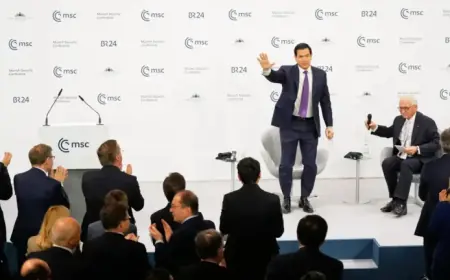
Senior ministers at a security conference in Munich publicly attributed responsibility to the Russian state, saying only the government had the means, motive and opportunity to deploy such a specialized toxin against Navalny while he was imprisoned. The Foreign Secretary called the use of a military-grade neurotoxin "despicable" and framed the act as evidence of the Kremlin's willingness to employ extreme measures against political opponents.
Navalny's widow and public reaction
Yulia Navalnaya, who has long pressed for answers about her husband's sudden death, welcomed the confirmation as "science-proven" evidence of foul play. She told attendees at the Munich gathering that the discovery vindicated her earlier assertions that her husband had been murdered in custody. European leaders joining the announcement pledged to use diplomatic and legal tools to pursue accountability.
Legal and diplomatic implications
they have notified the Organisation for the Prohibition of Chemical Weapons of an alleged breach of the Chemical Weapons Convention. The use of a toxin classed as a chemical weapon raises questions about treaty obligations and the extent of chemical-agent research, stockpiling and deployment. Allies issued a joint statement warning that they will make use of "all policy levers" to hold responsible parties to account and to press for transparency on Russia's chemical arsenal.
How the poison fits Navalny's history
Navalny, a prominent anti-corruption campaigner and the Kremlin's most visible domestic critic, had survived an earlier poisoning in 2020 with a nerve agent. He was treated abroad and later returned to Russia, where he faced repeated prosecutions and lengthy imprisonment. He died in custody on 16 February 2024 while serving time at a penal colony in Siberia after being relocated to an Arctic facility late in 2023.
Unanswered questions and next steps
Key technical details remain unresolved, including how a toxin typically associated with tropical amphibians would have been acquired and administered inside a high-security prison. Officials acknowledged those gaps and said investigations will focus on chain-of-custody for the samples, the laboratories that performed the testing and any evidence tying the delivery method to individuals or state actors.
European partners pledged coordinated action: submitting findings to international bodies and exploring measures to deter further use of chemical agents. The announcement is likely to intensify diplomatic pressure on Moscow and could shape future sanctions and legal initiatives aimed at preventing and punishing the misuse of chemical toxins in political repression.
The confirmation has renewed debate over the reach of state-sanctioned violence and the mechanisms that allowed a dissident to die while in official custody. For now, the scientific finding has sharpened calls for accountability and kept international attention fixed on the circumstances surrounding Navalny's death.