























Spielberg, Coppola, Lucas: Redefining Hollywood’s Rules in the 1970s

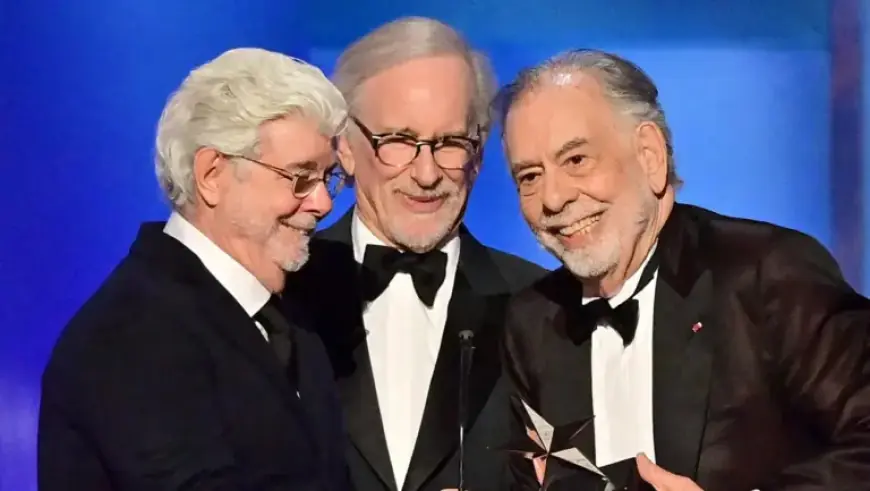
The 1970s marked a transformative era in American cinema, defined by a new wave of visionary filmmakers. Among them were Steven Spielberg, George Lucas, and Francis Coppola, whose contributions reshaped Hollywood’s landscape.
Emergence of a New Filmmaking Generation
This decade saw a shift as young filmmakers challenged the conventional studio system. They were disillusioned with corporate control and sought creative freedom. The political turmoil and cultural stagnation of the era fueled their ambition.
- Key Directors: Steven Spielberg, George Lucas, Francis Coppola, William Friedkin, Martin Scorsese
- Influential Films: The Godfather, Jaws, Star Wars, Apocalypse Now
- Major Themes: Creative autonomy, resistance against corporate filmmaking
Coppola and Lucas: Visionary Collaboration
Their partnership began in 1967 when Coppola met Lucas, a recent film graduate. Both directors shared a vision of filmmaking that prioritized artistic control over corporate interests.
Within a year, they established an independent filmmaking collective in San Francisco. Their goal was clear: to create impactful cinema without studio interference.
Blockbusters Redefined
Throughout the decade, Spielberg, Coppola, and Lucas produced groundbreaking films that captivated audiences and dominated box offices. Their successes included:
| Film | Director | Release Year | Box Office Performance |
|---|---|---|---|
| The Godfather | Francis Coppola | 1972 | Over $250 million |
| Jaws | Steven Spielberg | 1975 | Over $470 million |
| Star Wars | George Lucas | 1977 | Over $775 million |
Impact on the Industry
By the early 1980s, both Coppola and Lucas had established their own production companies, while Spielberg became a sought-after director. This newfound power allowed them to influence Hollywood practices dramatically.
This shift did not go unnoticed. New studio executives aimed to adopt the successful strategies of these filmmakers while attempting to reassert control over the creative process.
The Legacy Continues
Filmmakers today face similar challenges. The industry remains influenced by the balance of creative freedom and corporate interests. New talents like Sean Baker and Ryan Coogler echo the sentiments of Coppola and Lucas.
- Sean Baker: Won four Academy Awards for Anora, tying Walt Disney.
- Ryan Coogler’s “Sinners”: Received the most Oscar nominations of any film in history.
Today’s directors continue the fight for artistic ownership. Kristen Stewart and James Cameron are among those advocating for independence in a landscape still heavily dominated by blockbuster franchises.
As filmmakers navigate a complex industry, they carry forward the legacy of Spielberg, Coppola, and Lucas, striving to maintain creative control in an ever-evolving cinematic world.