

























U.S. Energy Secretary Announces Major Investment in Venezuelan Oil

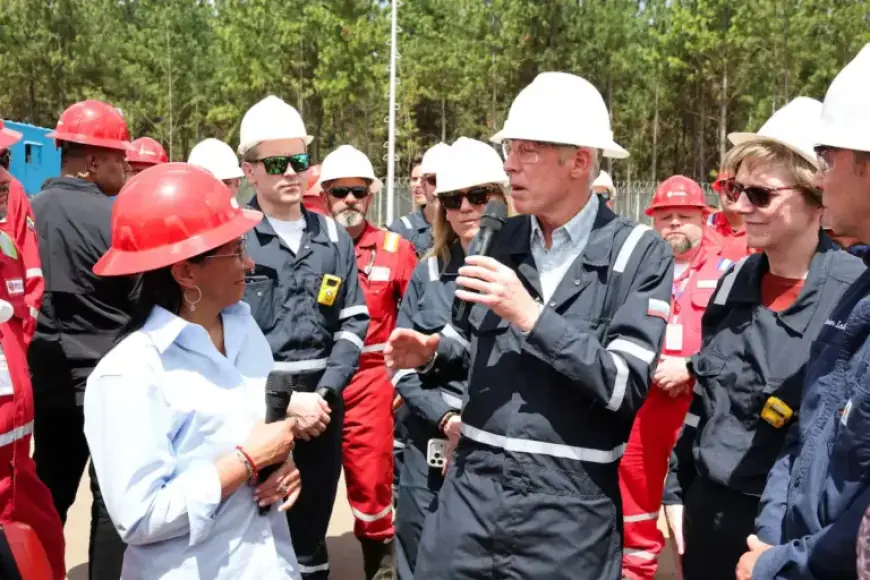
The recent announcement by U.S. Energy Secretary Chris Wright marks a significant step in the relationship between the United States and Venezuela. In Caracas, Wright revealed an investment exceeding $100 million aimed at modernizing Chevron’s operational facilities in the country.
Details of the Investment
The primary objective of this investment is to double Chevron’s production capacity within 12 to 18 months and to quintuple it over the next five years. This ambitious plan underscores an important shift in U.S. energy policy towards Venezuela.
Wright’s Visit and Future Plans
- Wright concluded his visit to Venezuela with tours of various oil fields and meetings with local authorities.
- He expressed optimism about future collaborations which may include more visits in the coming months.
- This visit aims to enhance U.S. influence in Venezuela’s energy sector while addressing pertinent political issues.
Historical Context
Venezuela’s oil production has seen a severe decline from three million barrels per day in the 1990s to approximately one million barrels per day today. This downturn began during Hugo Chávez’s presidency and has continued under Nicolás Maduro.
Projected Outcomes and Expert Opinions
Experts suggest that restoring Venezuela’s oil infrastructure will require billions of dollars and years of investment. Chris Wright predicts a potential increase in production levels, estimating that local output could rise to 1.3 million barrels per day by year-end, thanks to new agreements and production licenses offered to companies like Chevron, Maurel and Prom, and Repsol.
| Timeline | Projected Production Levels |
|---|---|
| Current (2023) | 1 million barrels per day |
| End of Year Projection | 1.3 million barrels per day |
| 5-Year Projection | 5 million barrels per day (by 2028) |
Economist Rafael Quirós emphasizes the geostrategic motives behind Wright’s visit. He believes the initiative seeks to increase the presence of U.S. personnel in Venezuelan oil fields, thereby diminishing the influence of geopolitical rivals such as China and Russia.
Conclusion
The approach of the U.S. government indicates a clear prioritization of political negotiations along with technical discussions concerning oil production. While the path to increasing Venezuela’s oil output presents numerous challenges, experts agree that significant investment and political change are necessary for success.